





Top-rated radon detection and reduction specialists.

Get matched with top radon detection and reduction specialists in Dewy Rose, GA

Enter your zip and get matched with up to 5 pros

Need a pro for your radon detection and reduction project in Dewy Rose, GA?

Select your specific project to find the pro for you.

Find Radon detection and reduction specialists in Dewy Rose

Avatar for Elite inspections of GA
Elite inspections of GA
5.0(
11
)
Radon Gas - AbatementRadon Gas - Testing

Serving Dewy Rose, GA and surrounding areas

In business since 2014

Free estimates

Emergency services offered

"Excellent. James and his crew are experienced professionals that know what they are doing and do it well. The re-test after the Mitigation work, came back with results exceeding what I expected. Great work and Great Service!"
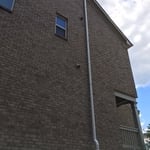
Additional Photos
Additional Photos
Additional Photos
Additional Photos
Additional Photos

+2

Recommended by100%of homeowners

Avatar for SWAT Environmental, Inc.
SWAT Environmental, Inc.
4.1(
108
)
Radon Gas - Abatement

Serving Dewy Rose, GA and surrounding areas

In business since 2002

Free estimates

Credit card accepted

"Radon level in basement was too high so we hired SWAT to put in an exhaust fan and pipe to release excess radon gas. This was done to rectify a problem with home inspection; then house sold and we moved."
Recommended by89%of homeowners
Inspector Padgett Home Inspection Services, LLC - Home Facebook
4.8(
36
)
Radon Gas - Testing

Serving Dewy Rose, GA and surrounding areas

In business since 2016

Free estimates

Emergency services offered

"Chris Padgett and partner Angela are very professional and reliable, they completed a radon testing of my home for a very reasonable price within 48 hours. They also saved me thousands of dollars on asbestos abatement, I would highly recommend them, Thanks Chris & Angela!!!"
Response time6 hrs
Recommended by100%of homeowners
Avatar for Inspekt
Inspekt
5.0(
5
)
Radon Gas - Testing

Serving Dewy Rose, GA and surrounding areas

In business since 2024

Credit card accepted

Offers commercial services

"We highly recommend Mike. He is super knowledgeable, kind, meticulous and overall does an amazing job. He takes pride in his work. We were blessed to find him. I can't imagine doing our home build without him! He is exceptional!"
My jobs
My jobs
My jobs
My jobs
My jobs

+20

Response time7 hrs
Response rate89%
Radon Detection and Reduction questions, answered by experts

The fan that pulls the radon out of the air needs to run continuously, so you may see an increase in your electric bill once you install the mitigation system. Additionally, you may see an increase in your heating or cooling bills, as the fan can cause some loss of hot or cool air.

You can vent radon out of your house sometimes by simply opening a window, but it won’t remove the source, and will likely rise above recommended levels quickly. A professional will be needed to assess your home, and determine the best strategy for radon removal. Active radon sump pumps and soil depressurization systems are often used to forcefully vent the radon from your home.

Radon is the number one non-smoking cause of lung cancer in the United States, but it can cause some other concerning side effects in the meantime. If you have a raspy voice, chest pains, trouble breathing, difficulty swallowing, or any of the above, don’t hesitate to perform radon testing and install a mitigation system as soon as possible.

The lifespan of a radon mitigation system depends on the type of system and its maintenance. With proper care, a system can last for many decades. Passive systems tend to last longer as they have fewer components that require replacement. Active systems, which have more moving parts like fans, generally have a shorter lifespan. For instance, water filtration devices and active pressurization systems require more frequent maintenance. While the system as a whole is durable, the radon fan in an active system typically has a lifespan of 5 to 10 years and will need to be replaced. As long as the fan is working, the mitigation system should function correctly.

Keeping radon from getting into your home is much better than having to get rid of it once it's already indoors. While there may not be a way to fully prevent radon from getting into your home, there are things you can do to reduce the gas's ability to enter. 

Sealing foundation cracks and openings can help keep the gas from seeping inside. Improving air flow, such as by opening windows, can also be helpful. If you're building your home from scratch, talk to your contractor about using radon-resistant construction to keep the gas out.

The Dewy Rose, GA homeowners’ guide to radon detection and reduction services

From average costs to expert advice, get all the answers you need to get your job done.