






Top-rated radon detection and reduction specialists.

Get matched with top radon detection and reduction specialists in Ty Ty, GA

Enter your zip and get matched with up to 5 pros

Need a pro for your radon detection and reduction project in Ty Ty, GA?

Select your specific project to find the pro for you.

Find Radon detection and reduction specialists in Ty Ty

Avatar for SWAT Environmental, Inc.
SWAT Environmental, Inc.
4.1(
108
)

Serving Ty Ty, GA and surrounding areas

In business since 2002

Free estimates

Credit card accepted

"Radon level in basement was too high so we hired SWAT to put in an exhaust fan and pipe to release excess radon gas. This was done to rectify a problem with home inspection; then house sold and we moved."
Recommended by89%of homeowners

Avatar for Eye Home Inspection
Eye Home Inspection
4.1(
40
)

Serving Ty Ty, GA and surrounding areas

In business since 2017

Free estimates

Credit card accepted

"He was prompt, efficient, and friendly. Most importantly HE found the cause of the leak in my mom's home. We had contacted several people for help prior to calling Eye Home Inspection. I am very grateful and will not hesitate to recommend him."
Recommended by88%of homeowners
Radon Detection and Reduction questions, answered by experts

The average radon mitigation system uses about 876 kWh of electricity per year, although the exact amount of electricity used will vary depending on the size of the radon fan. Once the system is installed, the annual increase to your energy bill could range from $30 to $300 per year, again depending on the size of the fan.

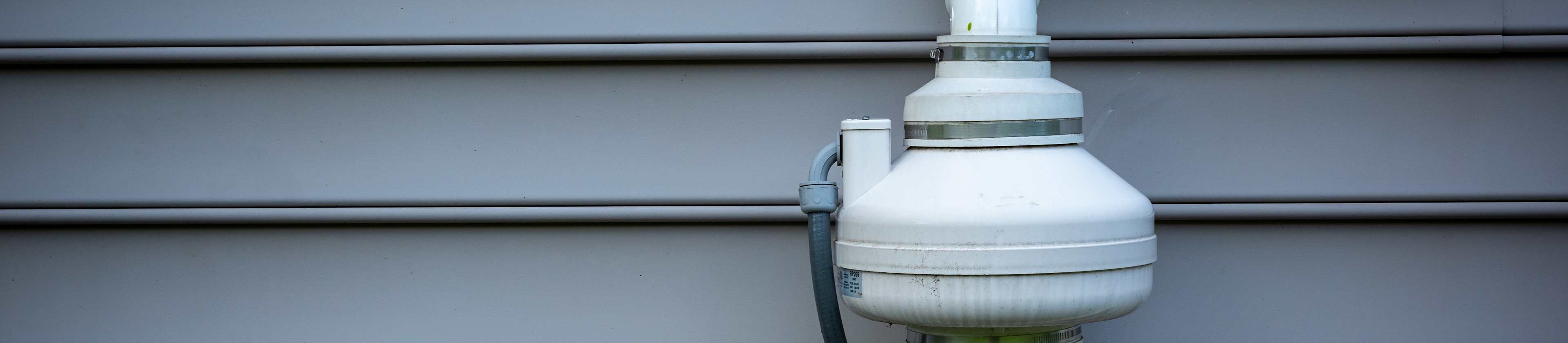
Your radon mitigation system may be loud because it’s time to replace it. Any sounds are usually from the inline fan that helps create the vacuum and resulting airflow. If you hear a new, loud mechanical or humming noise from your radon fan, it might be time to replace it. Most fans used in radon mitigation systems last up to 10 years, but may need to be replaced sooner.

No level of radon is technically safe, but since it is naturally present everywhere, it is impossible to avoid entirely. The average radon level in homes across the United States is 1.3 picocuries per liter (pCi/L). The Environmental Protection Agency (EPA) recommends taking action to reduce radon levels if your home's test results are between 2 and 4 pCi/L or higher.

Use a radon test kit or hire professionals to conduct a detailed assessment of radon levels in your home.

Installation typically takes 1-2 days, depending on the system and property layout.

The Ty Ty, GA homeowners’ guide to radon detection and reduction services

From average costs to expert advice, get all the answers you need to get your job done.




