






Top-rated radon detection and reduction specialists.

Get matched with top radon detection and reduction specialists in Talbotton, GA

Enter your zip and get matched with up to 5 pros

Need a pro for your radon detection and reduction project in Talbotton, GA?

Select your specific project to find the pro for you.

Find Radon detection and reduction specialists in Talbotton

Avatar for SWAT Environmental, Inc.
SWAT Environmental, Inc.
4.1(
108
)

Serving Talbotton, GA and surrounding areas

In business since 2002

Free estimates

Credit card accepted

"Radon level in basement was too high so we hired SWAT to put in an exhaust fan and pipe to release excess radon gas. This was done to rectify a problem with home inspection; then house sold and we moved."
Recommended by89%of homeowners

Nexus Home Inspection LLC
New to Angi

Serving Talbotton, GA and surrounding areas

Free estimates

Offers commercial services

We are a locally owned and operated company that values honesty and integrity and treats your home as if it were our own. We offer a variety of General Contractor services that are customizable to each individual project. You will find us to be competitively priced, paying close attention to the details of each and every project that we are involved with. We look forward to building lasting relationships and guarantee your satisfaction!\n

Radon Detection and Reduction questions, answered by experts

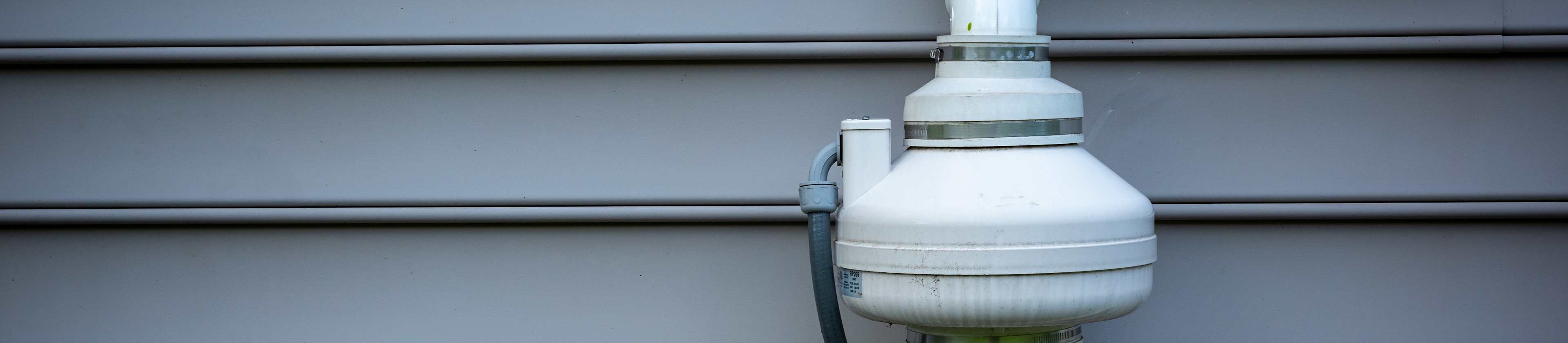
The cost to replace a radon fan ranges from $300 to $600 for the fan itself, with installation adding an additional $200 to $500. Overall, the total cost for replacement can range from $500 to $1,100, depending on factors such as the fan model, home size, and local labor rates. If the fan is part of a larger radon mitigation system, the price may be higher.

Many radon fans carry a five-year manufacturer's warranty. That said, your radon fan should last between five and ten years. Regular inspections will ensure the fan is operating properly. Unusual or exceptional noise coming from the fan or indications on your manometer or system monitor can immediately tell you that something is amiss.

Keeping radon from getting into your home is much better than having to get rid of it once it's already indoors. While there may not be a way to fully prevent radon from getting into your home, there are things you can do to reduce the gas's ability to enter. 

Sealing foundation cracks and openings can help keep the gas from seeping inside. Improving air flow, such as by opening windows, can also be helpful. If you're building your home from scratch, talk to your contractor about using radon-resistant construction to keep the gas out.

The natural breakdown of uranium in soil, rock, and water can cause radon to appear in a home. The gas seeps into homes through cracks in foundations, walls, or floors, as well as through gaps around pipes or construction joints. Radon levels are influenced by soil composition, building materials, and ventilation. Poorly sealed or airtight homes can trap radon, allowing it to accumulate.

Testing every 2-5 years or upon adjusting occupancy or structural changes maintains safe environments.

The Talbotton, GA homeowners’ guide to radon detection and reduction services

From average costs to expert advice, get all the answers you need to get your job done.




