




Top-rated radon detection and reduction specialists.

Get matched with top radon detection and reduction specialists in Hamilton, GA

Enter your zip and get matched with up to 5 pros

Need a pro for your radon detection and reduction project in Hamilton, GA?

Select your specific project to find the pro for you.

Find Radon detection and reduction specialists in Hamilton

MLB EnviroHealth and Safety
4.0(
11
)
Radon Gas - Testing

Serving Hamilton, GA and surrounding areas

Approved

In business since 1997

Free estimates

Warranties offered

"I contacted them re: mold & mildew smell in one of our commercial properties. I had an appointment within 24 hrs. they were very professional . Did an inspection and tested very thorough. Great service was very please with their work."
Response time1 day
12 neighbors recently requested a quote
Recommended by80%of homeowners
Avatar for SWAT Environmental, Inc.
SWAT Environmental, Inc.
4.1(
109
)
Radon Gas - Abatement

Serving Hamilton, GA and surrounding areas

In business since 2002

Free estimates

Credit card accepted

"Radon level in basement was too high so we hired SWAT to put in an exhaust fan and pipe to release excess radon gas. This was done to rectify a problem with home inspection; then house sold and we moved."
Recommended by89%of homeowners
Radon Detection and Reduction questions, answered by experts

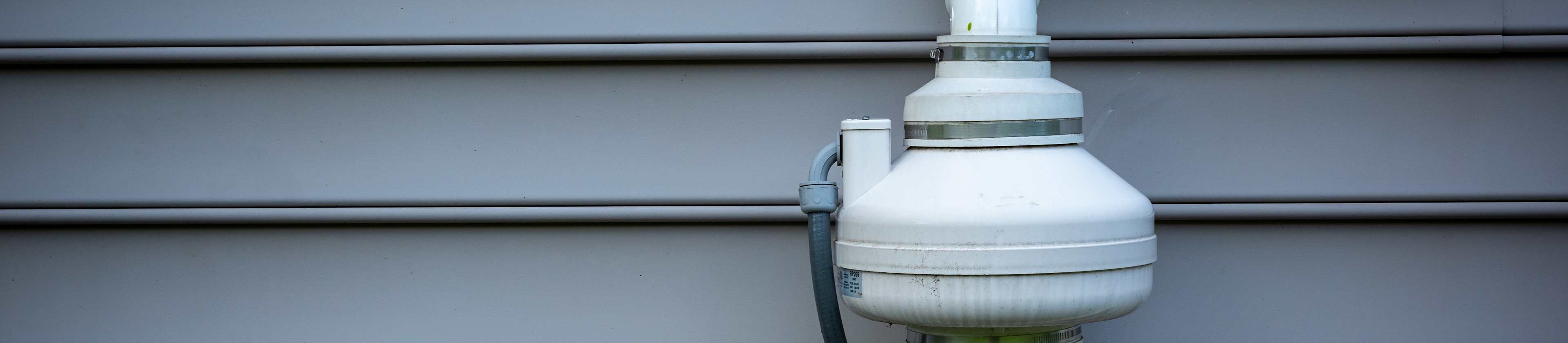
Your radon mitigation system may be loud because it’s time to replace it. Any sounds are usually from the inline fan that helps create the vacuum and resulting airflow. If you hear a new, loud mechanical or humming noise from your radon fan, it might be time to replace it. Most fans used in radon mitigation systems last up to 10 years, but may need to be replaced sooner.

The soil beneath your house is most likely what’s causing an increased level of radon. This is because soil holds radioactivity for a long time and it’s also what most buildings are built on. Another common source of radon is water from a source that hasn’t been through periodic radon tests, such as well water. Over time, the radon from the soil can inhabit other parts of your house like the foundation or plumbing.

Many radon fans carry a five-year manufacturer's warranty. That said, your radon fan should last between five and ten years. Regular inspections will ensure the fan is operating properly. Unusual or exceptional noise coming from the fan or indications on your manometer or system monitor can immediately tell you that something is amiss.

You can vent radon out of your house sometimes by simply opening a window, but it won’t remove the source, and will likely rise above recommended levels quickly. A professional will be needed to assess your home, and determine the best strategy for radon removal. Active radon sump pumps and soil depressurization systems are often used to forcefully vent the radon from your home.

The cost for a radon mitigation system typically ranges from $800 to $1,500, with an average around $1,000. The final price depends on several factors, including the size of your home, the severity of the radon issue, and the type of system required. Your home's foundation type also significantly impacts the cost. For example, sealing and ventilating an unfinished basement might cost around $4,600, while encapsulating a crawl space without a foundation slab can range from $1,500 to $15,000.

The Hamilton, GA homeowners’ guide to radon detection and reduction services

From average costs to expert advice, get all the answers you need to get your job done.