


Top-rated excavation pros.

Get matched with top excavation pros in Sycamore, GA

Enter your zip and get matched with up to 5 pros

Need a pro for your excavation project in Sycamore, GA?

Select your specific project to find the pro for you.

Find Excavation pros in Sycamore

Trinity General Contracting Pros
New to Angi

Serving Sycamore, GA and surrounding areas

Approved

Free estimates

Emergency services offered

Warranties offered

\n Trinity General Contractor Pros is a full-service residential and light commercial contractor delivering quality craftsmanship with integrity and reliability. We specialize in roofing installation and repairs, Fortified roofing systems, storm damage restoration, siding, soffit and fascia repair, gutters, windows, doors, framing, structural repairs, drywall, remodeling, and new construction. From minor repairs to full roof replacements and hurricane restoration projects, our team is committed to doing the job right the first time. We provide thorough inspections, insurance claim support, and dependable project management to ensure every project is built strong and built to last.

Avatar for Healthy-Crawl Space
Healthy-Crawl Space
4.7(
68
)

Serving Sycamore, GA and surrounding areas

In business since 2008

Free estimates

Emergency services offered

"I called Crawlspace Doctor and the representative came and inspected our space later that day. I had received a strong recommendation on this co. from a friend. Our National termite control company had told us we needed some remedial work. The Crawlspace rep quoted me a price that day which was about 1/2 of the termite company for the same general work scope. I said to go ahead. Completely satisfied with the service."
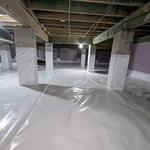
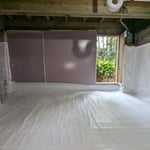
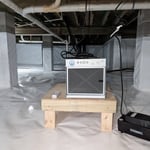
Basement Waterproofing Project
Additional Photos

+6

Recommended by98%of homeowners
Avatar for Manicured Tree Services
Manicured Tree Services
4.8(
6
)

Serving Sycamore, GA and surrounding areas

In business since 2014

Free estimates

Emergency services offered

"The entire team was professional, honest and very hardworking. Property was a total mess following Hurricane Helene. They removed a tree from my roof and nearly 100 damaged trees from my 2.5 acre property. Very satisfied."
Tree Removal
Tree Removal
Tree Removal
Tree Removal
Rootball Removel

+9

Response time2 hrs
Recommended by100%of homeowners
...
Showing 1-10 of 79
Excavating questions, answered by experts

We recommend removing the stump, and grinding is a popular way to do it. You can also dig out small stumps or stumps that have fully decayed instead of grinding them. However, don’t try using acids or fire for killing a tree stump, which is a fire hazard and illegal in many areas.

Leaving the stump alone invites eventual problems, including attracting termites, mold, and fungi.

The best way to protect tree roots is to avoid the roots entirely by excavating outside the root radius of the tree. For nearby projects, it’s a good idea to construct a temporary retaining wall. But that’s not always possible, depending on the project and the root system. In these cases, consider using alternative equipment like an auger to tunnel under the ground.

Remember, tree roots can damage nearby cement foundations as they grow. If a tree is close enough to interfere with large excavations, it may be better to remove the tree than risk future problems.

Hardscaping often requires preparation of the ground in the area where the feature is being installed. This can include digging, compacting, and leveling the soil, ensuring adequate drainage, and removing any existing plants. The extent of preparation needed will depend on the type and size of the hardscaping feature being installed.

Septic drain lines (or leach lines) are typically buried between 18 and 36 inches underground, and should be at least 6 inches below the surface. These pipes are perforated and surrounded by filtering materials like sand or gravel. Burying the lines at this depth helps minimize odors and allows bacteria and other biological processes in the soil to effectively treat the wastewater. Burying lines too close to the surface can cause issues unless the soil is very compact and stable.

Sewer lines can be buried anywhere from 18 inches to 8 feet deep, with a common average depth between 18 and 30 inches. The exact depth depends on local factors like climate and soil type. In colder regions, pipes must be buried deeper (below the frost line) to prevent freezing, sometimes as deep as 8 feet. The digging depth can also impact the cost of sewer line replacement. To find the specific depth for your property, you can check the building plans for your system, which should be on file with your city or local sanitation department since permits are required for installation.

The Sycamore, GA homeowners’ guide to excavation services

From average costs to expert advice, get all the answers you need to get your job done.