

Top-rated drywall pros.

Get matched with top drywall pros in Red Oak, GA

Enter your zip and get matched with up to 5 pros

Need a pro for your drywall service project in Red Oak, GA?

Select your specific project to find the pro for you.

TRUSTED BY RED OAK, GA HOMEOWNERS

  • Average homeowner rating star icon4.4
    Average homeowner rating
  • Verified reviews icon98
    Verified drywall services reviews

Find Drywall pros in Red Oak

Avatar for Devin the Handyman
Devin the Handyman
5.0(
11
)
Drywall - Repair

Serving Red Oak, GA and surrounding areas

Approved

In business since 2023

Free estimates

Small jobs welcome

"Devin is a hardworking reliable Christian man that has helped me with many projects sometimes just taking care of them or working alongside of me. I can always count on him and he does an amazing job. I highly recommend him to anyone looking for an honest and trustworthy handyman."
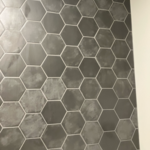
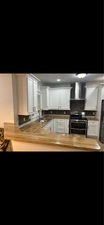
Blank Wall
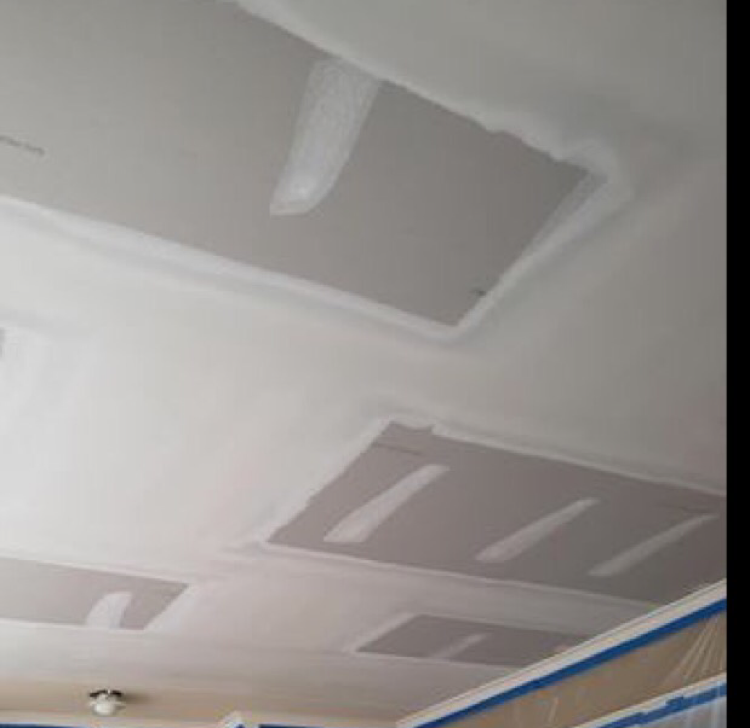
Finished Shiplap Wall
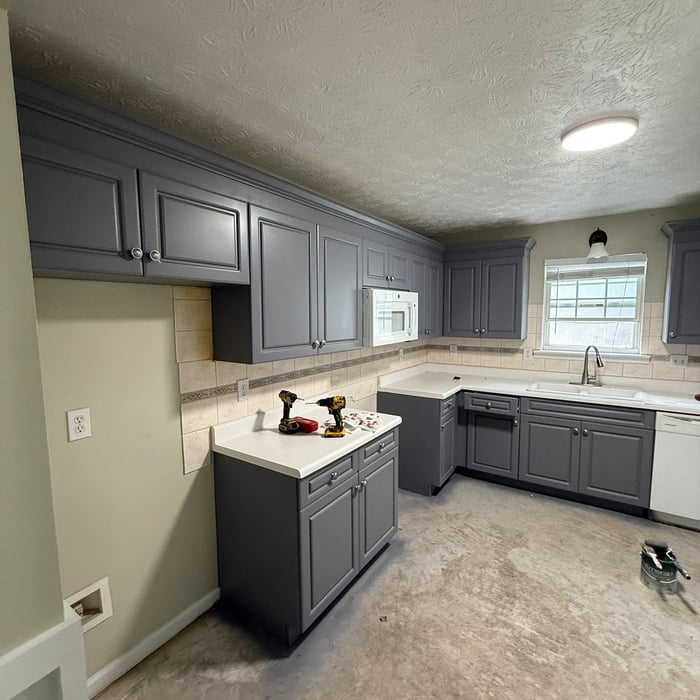
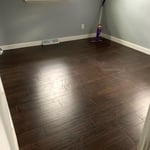
New Laminate in Bedroom
Response time8 hrs
Recommended by90%of homeowners
Finley Drywall, Inc.
3.3(
12
)
Drywall - InstallDrywall - Install - For BusinessDrywall - Repair+1 more

Serving Red Oak, GA and surrounding areas

Approved

In business since 1977

Free estimates

Warranties offered

"Very nice and knowledgeable team, with a mom and pop feeling. Were very thorough, walked me through all the repairs, and actually completed the work in one day instead of two. Would definitely recommend to anyone who needs drywall repaired!"
Response time1 day
Recommended by100%of homeowners
...
Showing 1-10 of 679
Drywall questions, answered by experts

Both plaster and drywall are durable wall finishes, but they differ significantly in installation, cost, performance, and aesthetics.

Installation & Cost: Drywall installation is faster and more affordable, typically costing $1.50 to $3 per square foot. It uses premade sheets, making it a more accessible DIY project. Plastering is a labor-intensive craft that requires specialized skills, pushing costs to $2 to $10 per square foot. It involves applying a wet paste over a lath framework.

Durability & Performance: Plaster is generally more durable, longer-lasting, and provides superior soundproofing. It is also a better insulator, which can help reduce energy costs. Drywall is easier to remove for future renovations.

Aesthetics: Drywall provides a smooth, uniform surface ready for paint or texture. Plaster offers a high-end, naturally textured look that can hide imperfections and is often preferred for achieving a classic or historic aesthetic.
Which is better? The choice depends on your priorities. Drywall is ideal for those prioritizing a lower upfront cost, faster installation, and DIY potential. Plaster is the better option for a higher-end project where durability, soundproofing, and a unique, premium finish are more important than the initial cost.

Whether you can reuse a drywall anchor depends on its type, material, and how it is removed. Plastic anchors, such as expansion or self-drilling types, are generally considered single-use because they are designed to expand and are likely to break or become deformed upon removal. Metal anchors, like toggle bolts, are more durable and can often be reused if they are not damaged during extraction. However, with toggle bolts, the toggle mechanism can fall inside the wall when the bolt is removed, making it difficult to retrieve. If an anchor is damaged or must be cut for removal, it cannot be reused regardless of its material.

Yes, you can hammer a nail into a wall stud. But before you do, it’s important to confirm that you’re actually nailing into a stud—and not wiring, pipes, or ductwork. To check, find a few more studs in the wall, then measure to make sure they’re either 16 or 24 inches apart.

The easiest way to remove texture from walls is the soak-and-scrape method. You’ll need to spray a section of the wall with water and let the water soak in and soften the texture. Then, you need to scrape the texture off using a drywall taping knife. This method works best with unpainted walls since paint prevents water from saturating the textured joint compound.

A post-drywall inspection could uncover many problems that weren’t present during the pre-drywall inspection, including insufficient insulation, missing weather stripping, improperly installed plumbing and lighting fixtures, flooring damage, drywall damage, plumbing leaks, aesthetic issues, and more. Structural problems, which are often expensive to fix and are common reasons to walk away after a home inspection, are easier to see before the drywall goes up, but a post-drywall inspection may highlight minor issues with house settling and foundation problems.

The Red Oak, GA homeowners’ guide to drywall services

From average costs to expert advice, get all the answers you need to get your job done.