



Top-rated drywall pros.

Get matched with top drywall pros in Fairburn, GA

Enter your zip and get matched with up to 5 pros

Need a pro for your drywall service project in Fairburn, GA?

Select your specific project to find the pro for you.

TRUSTED BY FAIRBURN, GA HOMEOWNERS

  • Average homeowner rating star icon4.5
    Average homeowner rating
  • Verified reviews icon189
    Verified drywall services reviews

Find Drywall pros in Fairburn

Avatar for Nemo Construction, LLC
Nemo Construction, LLC
4.8(
44
)
Drywall - Install - For Business

Serving Fairburn, GA and surrounding areas

Approved

In business since 2012

Free estimates

Credit card accepted

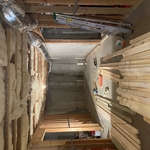
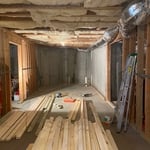
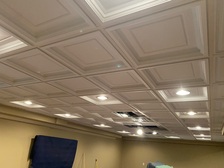
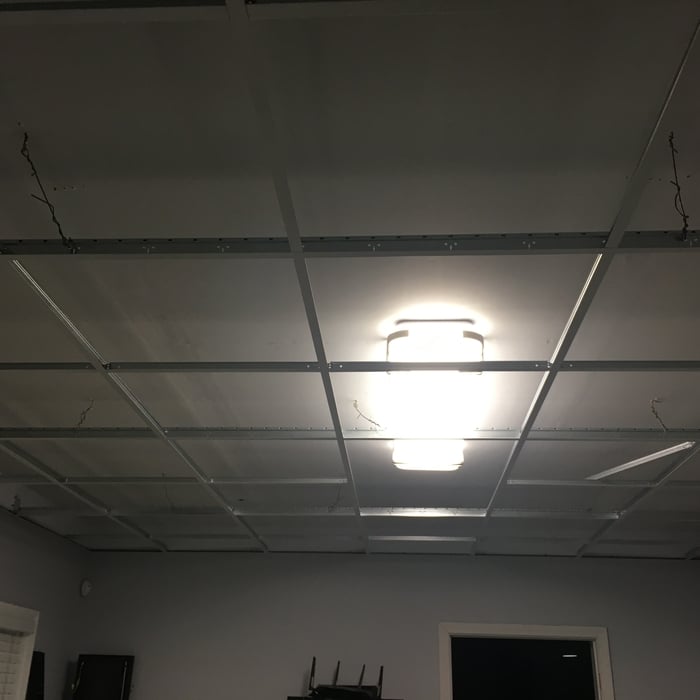
"You cannot go wrong with hiring Raul. He lives up to his word and get the job done on time. I hired him to do a drop ceiling for me and he wound up doing some drywall work and painting in my basement also.Very easy to work with. I highly recommend Nemo construction."
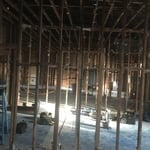
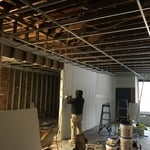
Comercial building
Comercial building
Comercial building
Comercial building
Basement

+10

Response time1 day
11 neighbors recently requested a quote
Recommended by95%of homeowners
Avatar for JM Drywall
JM Drywall
3.7(
15
)
Drywall - Repair

Serving Fairburn, GA and surrounding areas

Approved

In business since 2018

Free estimates

Customers say: Quality work

"This young Man was prompt, and on time, professional, did great work, and was very skillful with my project which required tiles, dry wall, and painting. The finished product was on schedule, and looked great."
Response time1 day
Recommended by100%of homeowners
Wilson Construction
4.5(
11
)
Drywall - Repair

Serving Fairburn, GA and surrounding areas

Approved

In business since 2019

Free estimates

Emergency services offered

"This was a drywall repair. I had a pipe leaking in my wall. The plumber had to cut a large rectangular hole in the wall, remove the baseboard, insulation and most of the carpet. I called Mr. Wilson Friday afternoon. He arrived Saturday as promised to estimate and completed the job the same day. I am very pleased with the quality of work."
Response time6 hrs
Recommended by90%of homeowners
Avatar for CLA Service & Construction
CLA Service & Construction
4.7(
19
)
Drywall - RepairDrywall - Repair - For Business

Serving Fairburn, GA and surrounding areas

Approved

In business since 2001

Free estimates

Credit card accepted

"Far Exceeded my expectations from the first phone response! Same day response time to the completion of the job. Very respectful. professional, and competent. Will definitely be calling no one else except Cliff for future jobs."
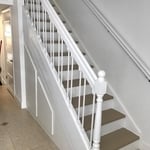
new handycap stairs
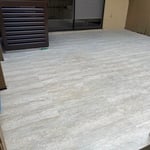
balcony
new bathroom remodeling with glass shower
bathroom remodeling
preparing for install tanklees heater

+1

Response time2 hrs
Response rate96%
8 neighbors recently requested a quote
...
Showing 1-10 of 676
Drywall questions, answered by experts

Although they are used for similar tasks, spackle and joint compound are not the same. Joint compound, also known as drywall mud, consists of limestone and gypsum and is primarily used for large-scale projects like taping and finishing seams on new drywall. Spackle is composed of gypsum and binding agents, making it a thicker compound best suited for small wall repairs like filling nail holes or cracks, as it dries quickly and is easy to sand. For small repairs, either product can be suitable. However, you can use joint compound for small jobs in place of spackle, but you cannot use spackle for large-scale taping and mudding projects.

You should not leave drywall outside, especially overnight or in a wet, humid climate. Exposure to rain and humidity can damage the drywall, weakening its structural integrity and making it susceptible to mold growth. If you must leave drywall outside during a project, be sure to cover it with a tarp or keep it inside a storage shed to protect it. Even drywall intended for exterior projects requires a protective moisture barrier. For best results, store any extra drywall in a dry area away from the elements.

The two most common drywall thicknesses for ceilings are 1/2-inch and 5/8-inch. For most standard residential applications, 1/2-inch drywall is sufficient and widely used. It provides adequate support and is lighter and easier to handle during installation compared to thicker sheets. However, 5/8-inch drywall is often used for specific cases where additional benefits are needed. It is heavier but provides superior sound dampening and fire resistance. You should consider using 5/8-inch drywall for ceilings in commercial buildings, between a garage and a living space, or above a finished basement to meet building codes or for enhanced soundproofing.

The best way to make long, straight cuts is to use a utility knife and a T-square to score the sheet, snap along the score, and then finish the cut by cutting through the paper on the opposite side with the utility knife. If you’re making small cuts, curved cuts, or cutouts for electrical boxes or light fixtures, you can use a manual jab saw to keep costs down, but an electric spiral saw or oscillating multi-tool will get the cleanest, fastest cuts possible.

You can usually tell if you have plaster or drywall by touch (plaster is harder, colder, and smoother than drywall) or by tapping on it (drywall sounds hollow, plaster does not). If you still cannot tell, peek under an outlet cover and check the cut edges. The rough edges show the composition of the wall. You will see either drywall (two paper sheets sandwiching gypsum material) or only plaster material (no paper sheets).

The Fairburn, GA homeowners’ guide to drywall services

From average costs to expert advice, get all the answers you need to get your job done.