





Top-rated generator install pros.

Get matched with top generator install pros in Rabun Gap, GA

Enter your zip and get matched with up to 5 pros

Need a pro for your generator install project in Rabun Gap, GA?

Select your specific project to find the pro for you.

Find Generator install pros in Rabun Gap

Avatar for Armato Group LLC
Armato Group LLC
5.0(
88
)
Fixed Generator - InstallPortable Generator - Install

Serving Rabun Gap, GA and surrounding areas

In business since 2018

Free estimates

Credit card accepted

"Josh kept me updated with emails/ calls. Quick to respond. Fair pricing. Good clean up. Did an awesome job. Had electric restored/ educated this home owner. Installed 3 new ceiling fans. We are very satisfied."
Response time8 hrs
Response rate89%
8 neighbors recently requested a quote
Avatar for All Pro Generator Service & Repair, LLC
All Pro Generator Service & Repair, LLC
5.0(
4
)
Fixed Generator - InstallFixed Generator - RepairGenerator - Install+4 more

Serving Rabun Gap, GA and surrounding areas

In business since 2024

Free estimates

Credit card accepted

"Ashley made the process painless and easy. He communicated with me throughout the entire repair and even took the time to answer my questions as well. I’ve since added them for my annual maintenance to keep my generator working every time we need it."
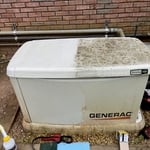
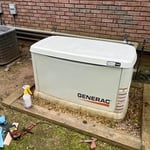
Cleaning a residential generator.
The owner (Ashley) in front of the Atlanta Falcons head coach's home after repairing his generator and transfer switch
This generator is now serviced and spotless and ready for the next storm.
Recommended by100%of homeowners
Avatar for Alvarez Electric LLC
Alvarez Electric LLC
5.0(
1
)
Fixed Generator - InstallGenerator - Install - For BusinessPortable Generator - Install

Serving Rabun Gap, GA and surrounding areas

In business since 2023

Free estimates

Offers commercial services

We are committed to excellence in every aspect of our business. We uphold a standard of integrity bound by fairness, honesty, and personal responsibility. Our distinction is the quality of service we bring to our customers. Accurate knowledge of our trade combined with ability is what makes us true professionals. Above all, we are watchful of our customers' interests and make their concerns the basis of our business. Call us today!

Response time1 day
Showing 1-10 of 15
Generator Install questions, answered by experts

While diesel is relatively stable, it won’t last nearly as long as propane and you may have to replace it if it sits unused for too long. Diesel can sometimes struggle to work efficiently or start engines during especially cold weather, so it’s not the best choice for every climate. Compared to fuels like propane and natural gas, diesel generators tend to be noisier and create more exhaust, which isn’t always ideal for home use.

Yes, in some locations, it is required by the National Electric Code (NEC) to have a transfer switch installed for electrical emergencies. In addition to following electrical code, generator transfer switches ensure your home is fully protected during a power outage. By switching the power from the main breaker to the generator breaker, you can seamlessly operate your HVAC, lights, appliances, devices, and more during an emergency. 

Generators are safe to use as long as they are installed and operated correctly according to the manufacturer's recommendations. The most critical safety tips are to never use a portable or fuel-powered generator inside an enclosed space due to the risk of lethal carbon monoxide poisoning; always operate it outdoors where fumes can dissipate away from your home. Additionally, never attempt to connect a generator to your home’s electrical panel yourself—hire a professional to ensure the setup meets safety standards. Finally, avoid overloading the generator by not connecting more appliances than it is rated for, as this can damage your equipment or cause a fire.

To determine the right size generator for your house, you should calculate the total wattage of the appliances and devices you want to power during an outage. List all essential items, note their start-up wattages, and add them together.

Here are some typical wattage requirements for common appliances:

  • Refrigerator: 600 watts

  • Large dehumidifier: 700 watts

  • Large window air conditioner: 1,400 watts

  • Water heater: 3,000 to 4,500 watts

  • Electric furnace: 5,000 to 25,000 watts

A 7,500-watt generator might be sufficient for essentials like a refrigerator, freezer, well pump, and lighting circuits. However, for high-demand items like a water heater or furnace, a whole-home generator is a better choice. A portable generator may be enough if you only need to power a few critical items.

While home square footage can offer a rough estimate, it is not always a reliable indicator. For reference, here are some typical generator sizes based on square footage:

  • 1,000 sq ft: 6–9 kW

  • 1,500 sq ft: 7–10 kW

  • 2,000 sq ft: 10–14 kW

  • 2,500 sq ft: 12–16 kW

  • 3,000 sq ft: 16–20 kW+

For the most accurate sizing, consult a professional who can calculate your home's peak and average power consumption and recommend the optimal generator.

It’s usually better to repair your generator if it isn’t working properly, as it will typically be much more affordable and should yield similar results. Generator repairs cost around $300 on average, while installing a new whole-house generator costs around $5,000 on average. The only exception is if you know your generator is reaching the end of its useful life, usually between 30 and 40 years. If you have an older generator, you could face multiple repairs in the coming years, which might mean that a full replacement will be more cost-effective over time.

The Rabun Gap, GA homeowners’ guide to generator installs

From average costs to expert advice, get all the answers you need to get your job done.