


Top-rated paving pros.

Best paving pros near Murrayville, GA

Enter your zip and get matched with up to 5 pros

Need a pro for your paving service project in Murrayville, GA?

Select your specific project to find the pro for you.

TRUSTED BY MURRAYVILLE, GA HOMEOWNERS

  • Average homeowner rating star icon4.5
    Average homeowner rating
  • Verified reviews icon76
    Verified paving services reviews

Top-Rated Paving pros in Murrayville - Updated Nov 2026

...
Showing 1-10 of 136
Paving Services FAQs, answered by experts

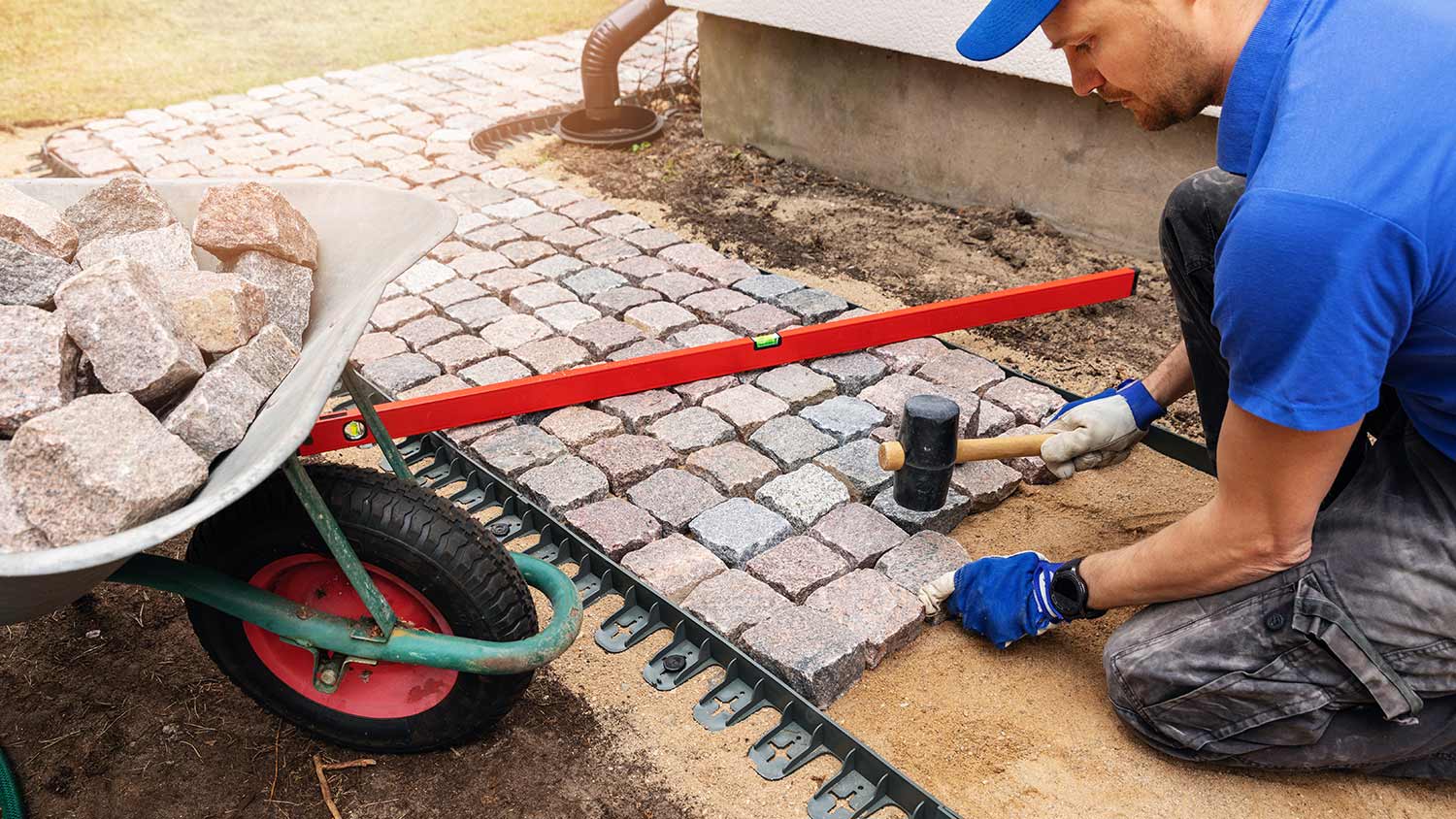
The layer of polymeric sand under the pavers plus the polymeric sand that gets swept into the joints between your pavers holds them in place in a few ways. For one, the gritty texture of the sand helps lock the pavers together. Polymeric sand also contains bonding agents that get activated by water. Polymeric sand will take between 24 and 48 hours to fully cure, so do not walk on your paver walkway before this time.

Maintaining a driveway depends on its material. For concrete and asphalt, it's best to clean the surface thoroughly twice a year with a stiff broom and a pressure washer to remove accumulated dirt and debris. Sealing the driveway is crucial to protect it from water damage and freeze-thaw cycles. Before applying a sealant, pressure wash the surface to remove any loose sealant, dirt, or stains, as sealing over them will trap them. Any cracks or expansion joints should be filled with a flexible polyurethane caulk or asphalt sealer. In colder climates, use sand instead of salt for de-icing. Sand helps melt snow and ice without accelerating the freeze-thaw process, which can cause cracks.
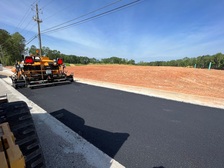
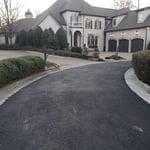
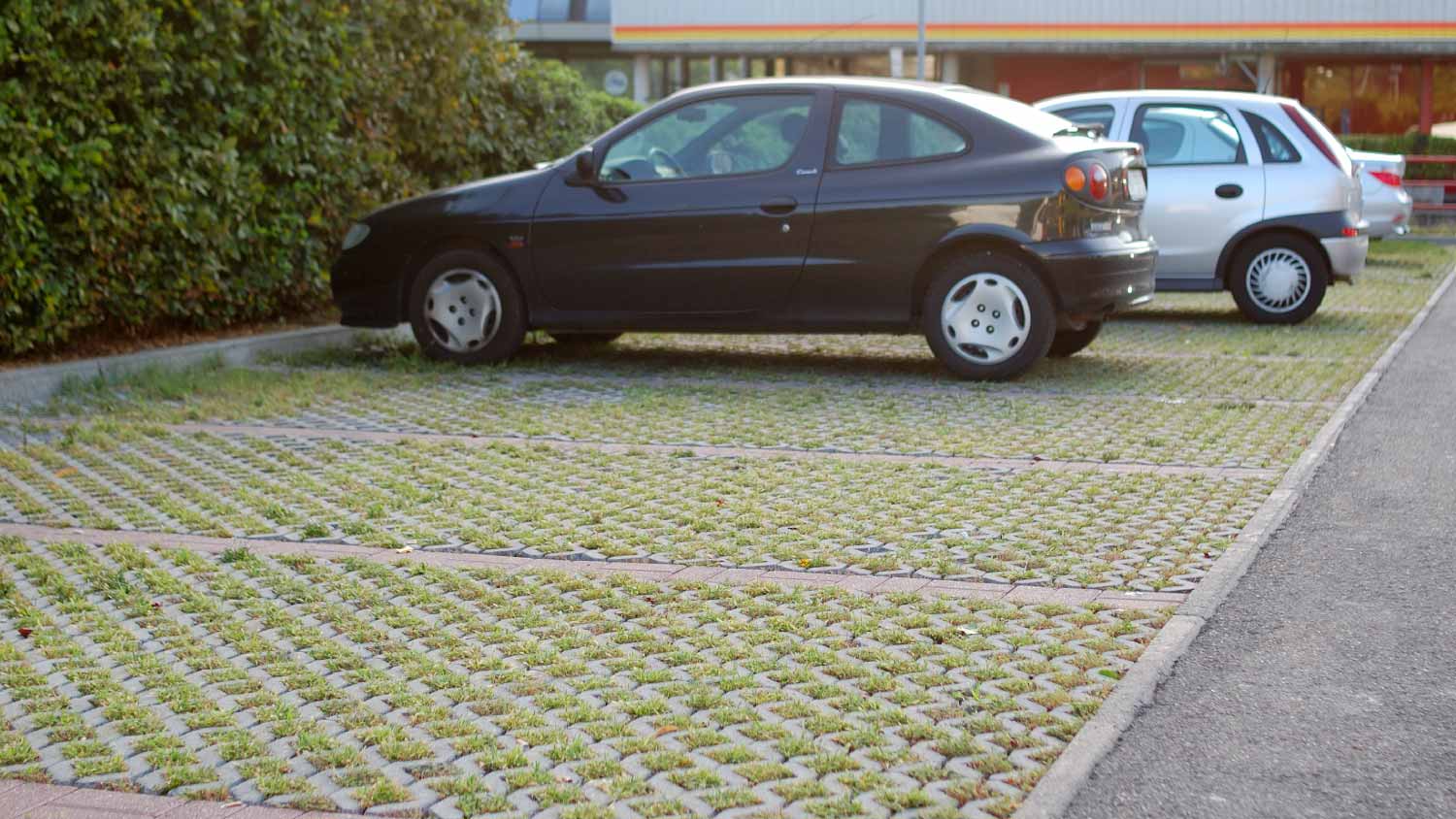
The most obvious disadvantage of permeable paving is that the cost is typically higher compared to non-permeable concrete, pavers, or asphalt methods. Also, the porous material can get clogged with dirt and debris, requiring cleaning and power washing more frequently than standard paving materials and methods. Although permeable paving is not ideal for highways, airports, and other surfaces supporting heavy traffic and machinery, it is suitable for regular residential driveways.

The average cost to repair an asphalt driveway is around $2,459 to $2,500. However, prices can range from $100 for minor DIY crack filling to over $4,000 for more extensive professional work. Costs are often calculated per foot, with minor repairs costing $1 to $3 per linear foot and heavier damage like potholes, sinking, or crumbling costing $2 to $5 per linear foot. Patching smaller potholes can cost around $2 to $3 per square foot. The final price depends on the severity and extent of the damage, driveway design, local contractor rates, and whether sealing is included. For major repairs, it is recommended to hire a professional, and you may get a better deal by bundling repair and sealing services together.

Asphalt and tarmac are not the same thing. Traditional tarmac, short for tarmacadam, uses tar as a binder to hold crushed stone together. Asphalt uses bitumen—a byproduct of crude oil—to bind aggregate. Though tarmac was once a go-to for roads, asphalt has become the modern standard. And these days, most surfaces referred to as “tarmac” are actually asphalt. So, while the names may overlap, the key distinction lies in the binder—tar for tarmac and bitumen for asphalt.

The Murrayville, GA homeowners’ guide to paving services

From average costs to expert advice, get all the answers you need to get your job done.