
Top-rated excavation pros.

Best excavation pros near Murrayville, GA

Enter your zip and get matched with up to 5 pros

Need a pro for your excavation project in Murrayville, GA?

Select your specific project to find the pro for you.

TRUSTED BY MURRAYVILLE, GA HOMEOWNERS

  • Average homeowner rating star icon4.8
    Average homeowner rating
  • Verified reviews icon56
    Verified excavation services reviews

Top-Rated Excavation pros in Murrayville - Updated Nov 2026

Avatar for Descher Diversified, LLC
Descher Diversified, LLC
4.6(
15
)
Building Site - Preparation and ClearingExcavation - Major Grading or Resloping

Serving Murrayville, GA and surrounding areas

Approved

In business since 2016

Free estimates

Emergency services offered

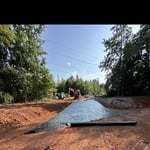
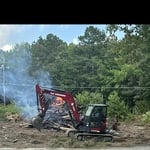
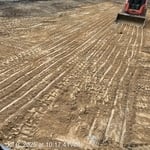
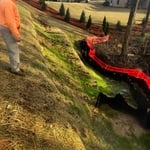
"What great brothers and absolutely the best at what they do! They cut trees down, cleared under brush, made a steep slope not so steep, planted grass, pulled some bushes up. Graded around a 60x40 concrete pad and leveled it until it was even and then put gravel around the entire pad. We both are loving the way everything looks and turned out! Thank you Zack and Patrick! We will definitely use your company again!"

Grading
Grading
Grading
Grading
Grading

+6

2 neighbors recently requested a quote
Recommended by76%of homeowners

...
Showing 1-10 of 227
Excavating FAQs, answered by experts

Call 811 to locate and mark the gas lines at least three days before digging. In many areas, you can dig within 18 inches of the lines, though in some locations, the distance may be further. Check local regulations, as you may need a utility company representative onsite when digging. Document your calls to 811 and precautions taken to avoid gas lines. A homeowner can be held liable for hitting a gas line in some cases, but contacting the proper authorities and following all guidelines can offer protection.

Sewer lines can be buried anywhere from 18 inches to 8 feet deep, with a common average depth between 18 and 30 inches. The exact depth depends on local factors like climate and soil type. In colder regions, pipes must be buried deeper (below the frost line) to prevent freezing, sometimes as deep as 8 feet. The digging depth can also impact the cost of sewer line replacement. To find the specific depth for your property, you can check the building plans for your system, which should be on file with your city or local sanitation department since permits are required for installation.

Yes, trenchers can go through gravel. Gravel is made up of smaller, softer rocks that certain trenchers are able to cut through. Just be sure to use a rock wheel trencher or chain trencher, both of which are made to cut through rocky landscapes and gravel pathways without dulling the teeth or chain.

A trench that is less than 5 feet deep often doesn't require a protective system. Most residential trenches will not go this deep (the typical residential drainage trench is just 18 inches deep). In the event that an excavator needs to dig more than 5 feet beneath the surface, a protective system is required unless the excavation is in entirely stable rock.

Your contractor should handle dust control during the project. It's best to speak with your contractor beforehand to check if they plan to cover your furniture, protect your vents, or use fans to redirect dust. Eliminating drywall dust is a particularly large challenge during construction, so always take this into account during your planning phase.

The Murrayville, GA homeowners’ guide to excavation services

From average costs to expert advice, get all the answers you need to get your job done.