






Top-rated radon detection and reduction specialists.

Get matched with top radon detection and reduction specialists in Mcrae, GA

Enter your zip and get matched with up to 5 pros

Need a pro for your radon detection and reduction project in Mcrae, GA?

Select your specific project to find the pro for you.

Find Radon detection and reduction specialists in Mcrae

Avatar for Elite inspections of GA
Elite inspections of GA
5.0(
11
)

Serving Mcrae, GA and surrounding areas

In business since 2014

Free estimates

Emergency services offered

"Excellent. James and his crew are experienced professionals that know what they are doing and do it well. The re-test after the Mitigation work, came back with results exceeding what I expected. Great work and Great Service!"
Additional Photos
Additional Photos
Additional Photos
Additional Photos
Additional Photos

+2

Recommended by100%of homeowners

Avatar for SWAT Environmental, Inc.
SWAT Environmental, Inc.
4.1(
108
)

Serving Mcrae, GA and surrounding areas

In business since 2002

Free estimates

Credit card accepted

"Radon level in basement was too high so we hired SWAT to put in an exhaust fan and pipe to release excess radon gas. This was done to rectify a problem with home inspection; then house sold and we moved."
Recommended by89%of homeowners
Avatar for Preferred Home & Property Inspections
Preferred Home & Property Inspections
4.9(
7
)

Serving Mcrae, GA and surrounding areas

In business since 2013

Free estimates

Credit card accepted

"Mr. Beasley did exemplary work. He was very professional, very detailed, and did a great job evaluating and explaining his findings. He answered all calls and emails immediately or promptly. I will use him again."
Recommended by100%of homeowners

Avatar for Eye Home Inspection
Eye Home Inspection
4.1(
40
)

Serving Mcrae, GA and surrounding areas

In business since 2017

Free estimates

Credit card accepted

"One of the ways to judge the quality and professionalism of the work done by a home inspector is to take a good look at his home inspection report. I was concerned as Clay explained my results to both parties. Then I realized he was trying not to hurt the sellers feelings as he explained what they needed to complete. He was kind at telling them what a great job they have done as 3rd or 4th owners of the home I was seeking an inspection on. I was a tiny bit concerned about detail. However, when my timely report arrived, it was simplified with great detail and photos. As I continue to search for a new home, I will call Clay for my home inspections. He also showed up on time after a very short notice."
Recommended by88%of homeowners
Radon Detection and Reduction questions, answered by experts

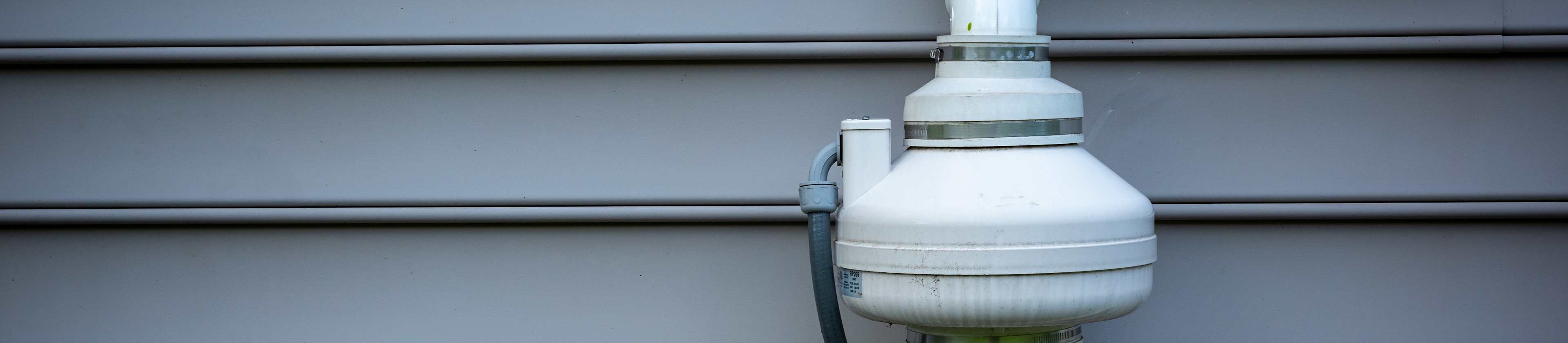
The average radon mitigation system uses about 876 kWh of electricity per year, although the exact amount of electricity used will vary depending on the size of the radon fan. Once the system is installed, the annual increase to your energy bill could range from $30 to $300 per year, again depending on the size of the fan.

The natural breakdown of uranium in soil, rock, and water can cause radon to appear in a home. The gas seeps into homes through cracks in foundations, walls, or floors, as well as through gaps around pipes or construction joints. Radon levels are influenced by soil composition, building materials, and ventilation. Poorly sealed or airtight homes can trap radon, allowing it to accumulate.

Radon is present almost everywhere but, like sunlight, the concentration levels and how often you are exposed to it have a large part to play in just how dangerous it is. There are levels of radon that are acceptable inside a house, but above a certain limit, radon becomes a serious radioactive hazard that is a known cause of lung cancer. In fact, radon exposure is the number two leading cause of lung cancer (after smoking).

Keeping radon from getting into your home is much better than having to get rid of it once it's already indoors. While there may not be a way to fully prevent radon from getting into your home, there are things you can do to reduce the gas's ability to enter. 

Sealing foundation cracks and openings can help keep the gas from seeping inside. Improving air flow, such as by opening windows, can also be helpful. If you're building your home from scratch, talk to your contractor about using radon-resistant construction to keep the gas out.

The cost for a radon mitigation system typically ranges from $800 to $1,500, with an average around $1,000. The final price depends on several factors, including the size of your home, the severity of the radon issue, and the type of system required. Your home's foundation type also significantly impacts the cost. For example, sealing and ventilating an unfinished basement might cost around $4,600, while encapsulating a crawl space without a foundation slab can range from $1,500 to $15,000.

The Mcrae, GA homeowners’ guide to radon detection and reduction services

From average costs to expert advice, get all the answers you need to get your job done.