




Top-rated electricians.

Get matched with top electricians in Fair Oaks, GA

Enter your zip and get matched with up to 5 pros

Need a pro for your electrical service project in Fair Oaks, GA?

Select your specific project to find the pro for you.

TRUSTED BY FAIR OAKS, GA HOMEOWNERS

  • Average homeowner rating star icon4.7
    Average homeowner rating
  • Verified reviews icon1.5k+
    Verified electrical services reviews

Find Electricians in Fair Oaks

Hope Electric
4.5(
186
)
Electrical Switches, Outlets & Fixtures - Install or RepairElectrical Switches, Outlets & Fixtures - Install or Repair - For BusinessElectrical Wiring or Panel Upgrade+2 more

Serving Fair Oaks, GA and surrounding areas

Approved

In business since 2008

Free estimates

Warranties offered

"Benjamin was prompt and efficiently. He installed a new 30amp breaker and outlet in my garage exactly as I had envisioned. I did not comparison-shop, but his fee was quite reasonable. I would call him again if I need electrical work."
electrical service
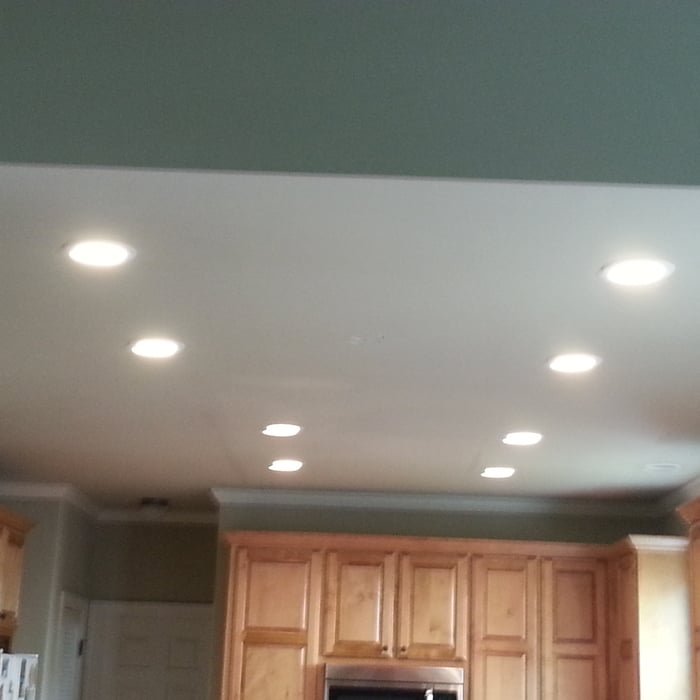
led recessed lighting 20ft. ceiling
led recessed lighting 8ft. ceiling
Hope Electric
Response time2 days
Response rate100%
Recommended by95%of homeowners
Avatar for Britebox Electrical Services
Britebox Electrical Services
4.5(
43
)
Fixed Generator - InstallCeiling Fan - InstallCeiling Fan - Repair+25 more

Serving Fair Oaks, GA and surrounding areas

Approved

Super Service Award Winner

In business since 2017

Customers say: Super punctual

"Nick was very professional and did a fantastic job on my electrical project. He took care to work both carefully and efficiently. I will definitely use Britebox Electrical Services again for any future electrical repairs!"
Response time1 day
7 neighbors recently requested a quote
Recommended by58%of homeowners
O & M Electric, Inc.
4.4(
89
)
Electrical Switches, Outlets & Fixtures - Install or RepairElectrical Switches, Outlets & Fixtures - Install or Repair - For BusinessElectrical Wiring or Panel Upgrade+1 more

Serving Fair Oaks, GA and surrounding areas

Approved

In business since 1997

Free estimates

Customers say: Quick response

"Mr. Otis was very professional and productive. Ed hired him a second time to install more lights. Very knowledgeable and experienced."
Response time5 hrs
9 neighbors recently requested a quote
Recommended by97%of homeowners

...
Showing 1-10 of 1044
Electrical questions, answered by experts

Motion sensors are actually an eco-friendly option and don’t use as much electricity compared to other lighting sources. Motion sensor lights are always on “standby,” which requires a phantom source of power at all times, but for most sensor light models, this is only a small amount of electricity—typically around one watt of power.

Window AC units use a fair amount of electricity, but significantly less than central AC systems. Because they are more energy-efficient for cooling individual rooms or small spaces, their usage is comparatively low. On average, a window AC unit consumes between 500 and 1,400 watts, while a central AC system uses over 3,500 watts—meaning a window unit uses about one-third of the energy. This typically translates to a monthly running cost of $15 to $40, although this can vary depending on external factors.

Upgrading your electrical panel is often worth the cost for safety, improved electrical performance, and potential long-term savings. A primary benefit is preventing electrical fires and other hazards from a malfunctioning panel, ensuring your household's safety. An upgraded panel also provides a steady flow of electricity, eliminating issues like flickering lights and frequently tripped breakers. It allows you to connect additional appliances without overloading the system, which is especially beneficial for older homes with 100-amp service that are prone to overheating. If you run large appliances like central air conditioning, heating systems, hot tubs, or saunas, you might consider upgrading to a 300- or 400-amp service to meet the higher electrical demand. Furthermore, an upgrade can lead to long-term savings on energy bills and potentially lower insurance costs.

The standard copper wire gauge to use with any 30-amp circuit is a 10-gauge wire. The National Electric Code specifies a 10-gauge wire with appliances like water heaters running on 30 amps. If you try to use a smaller gauge wire, such as a 12 gauge, with a 30-amp breaker, you run the risk of the wire overheating and melting or causing a fire. Because of the safety hazards, the gauge of the wire is not an area to try to cut costs when connecting a 30-amp breaker to a water heater.

In most cases, line wires are located at the bottom of a panel or device, while load wires are located at the top. Line wires are generally black, while load wires are typically red or black. To tell for sure, you can use a multimeter or volt pen to test the wire. A live or line wire will always carry a charge, while a load wire will only carry a charge when it’s in use.

The Fair Oaks, GA homeowners’ guide to electrical services

From average costs to expert advice, get all the answers you need to get your job done.