


Top-rated paving pros.

Get matched with top paving pros in Clarkston, GA

Enter your zip and get matched with up to 5 pros

Need a pro for your paving service project in Clarkston, GA?

Select your specific project to find the pro for you.

TRUSTED BY CLARKSTON, GA HOMEOWNERS

  • Average homeowner rating star icon4.7
    Average homeowner rating
  • Verified reviews icon85
    Verified paving services reviews

Find Paving pros in Clarkston

...
Showing 1-10 of 320
Paving Services questions, answered by experts

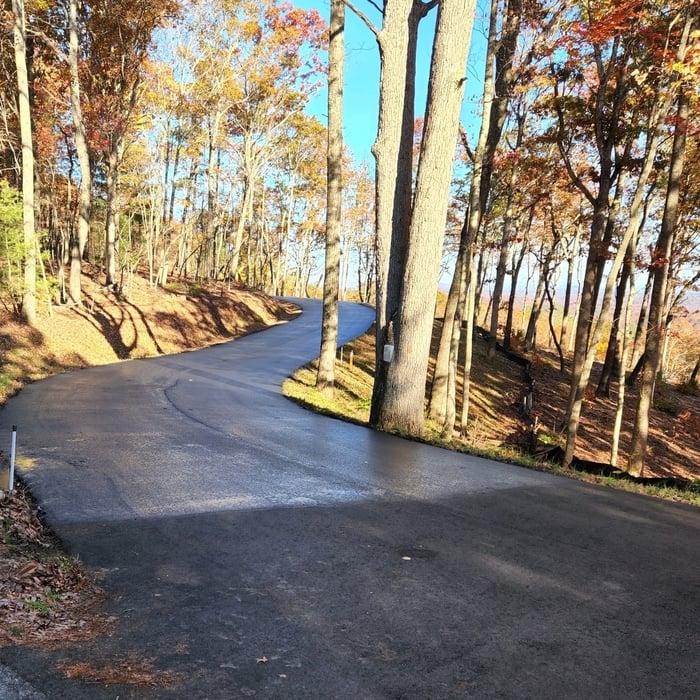
An ideal driveway gradient is between 2% and 5%. Anything lower than 1% or higher than 15% can cause problems for your car or property. A driveway with less than a 1% slope increases your likelihood of flooding and water damage, while a driveway with a 15% grade or higher can be too steep for safe traveling.

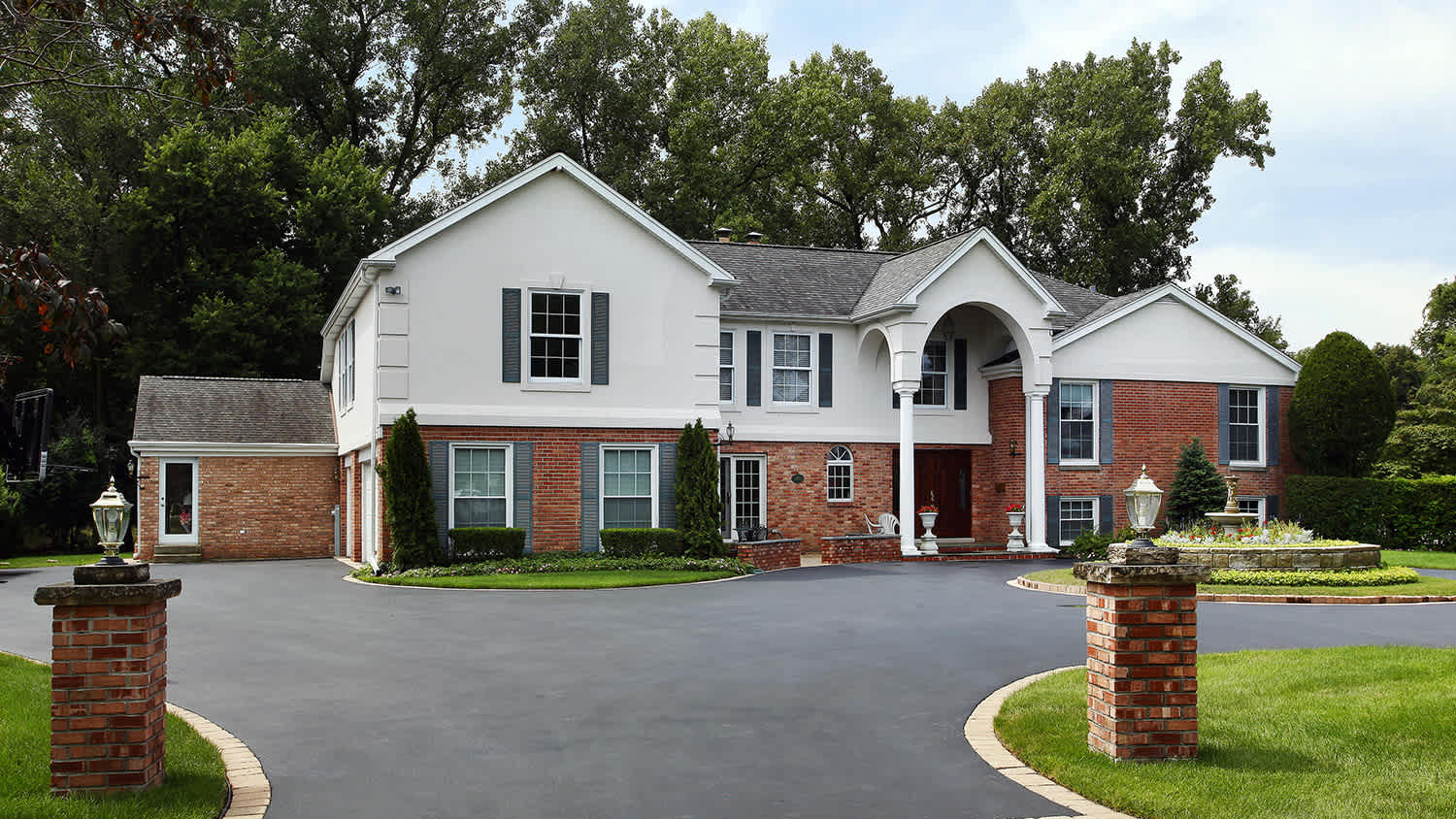
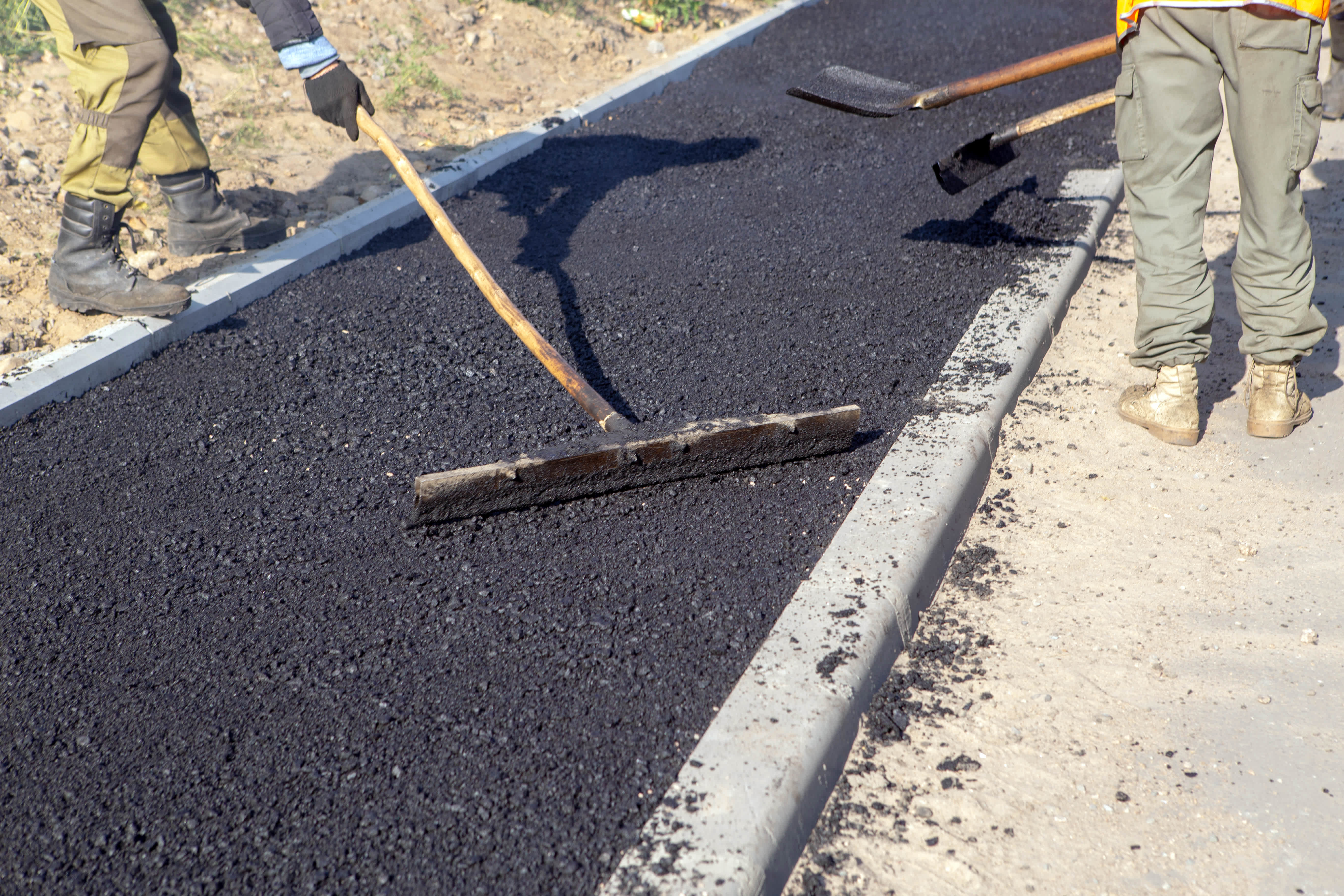
You can expect your asphalt pavement to last anywhere from 20 to 30 years, or 25 years on average. The life expectancy of your asphalt driveway depends on the climate, the amount of traffic, and how well you maintain it. While you can’t necessarily control some of these factors, you can control the amount of maintenance effort you put into your driveway. 

To prevent your asphalt from deteriorating prematurely, you should follow a good maintenance routine involving regular cleaning, reparation work, and resealing.

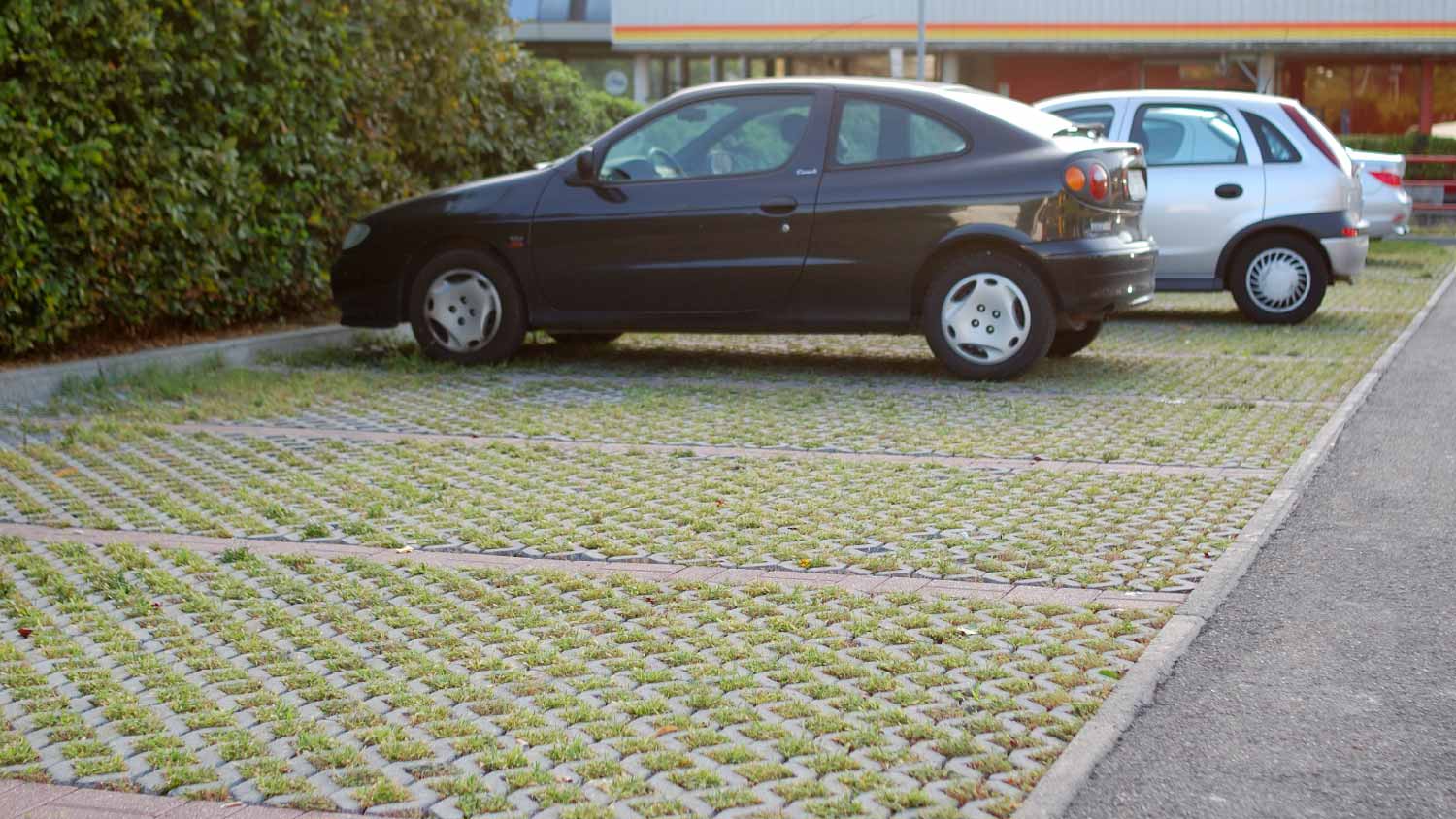
If you're designing a new patio in an area with poor drainage, permeable pavers made from porous materials may help prevent water issues. Most permeable pavers feature a gravel-only aggregate base instead of a concrete base to allow water to flow through instead of getting trapped. While beneficial in some cases, permeable pavers come with higher initial costs and greater load-bearing limitations compared to traditional pavers.
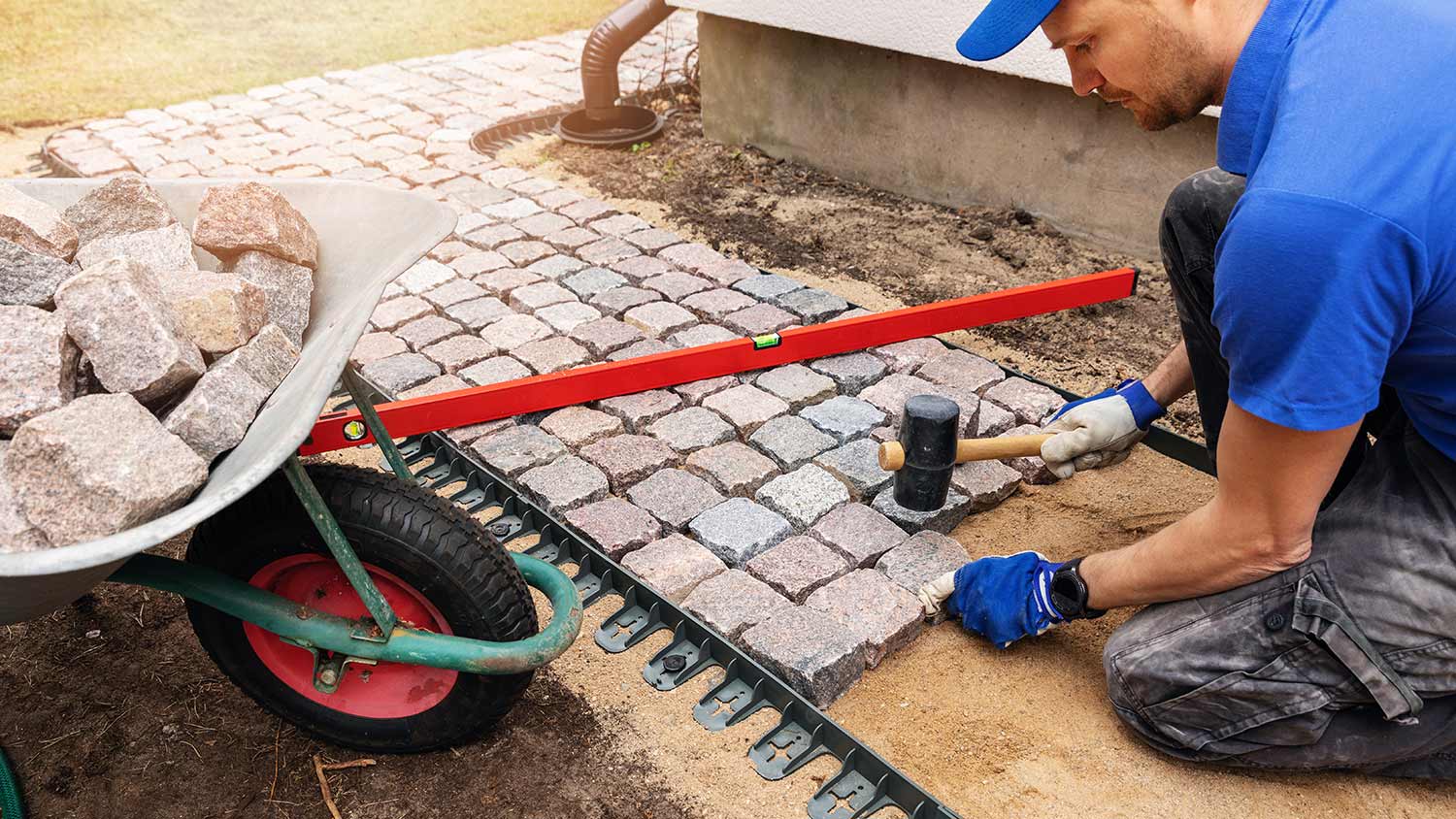
Yes, you should lightly wet the sand with a hose before laying the pavers on top. This activates the bonding agents in the sand, ensuring that your pavers don’t shift around during the installation process. However, you should make sure that the sand is not soaked; overwatering can cause the sand and pavers to not set properly.

To adhere pavers to concrete, you can use either mortar or a concrete-specific adhesive. For border pavers, a polyurethane-based adhesive is a good choice as it expands and contracts with temperature changes, keeping them firmly in place. For the non-border pavers, polymeric sand is used between the joints to prevent shifting. In most cases, it is also recommended to lay a permeable sand layer below the pavers to ensure proper stability and drainage. Before starting, always take the proper preparatory steps for a professional result.

The Clarkston, GA homeowners’ guide to paving services

From average costs to expert advice, get all the answers you need to get your job done.