




Top-rated flooring contractors.

Best flooring contractors near Cedartown, GA

Enter your zip and get matched with up to 5 pros

TRUSTED BY CEDARTOWN, GA HOMEOWNERS

  • Average homeowner rating star icon4
    Average homeowner rating
  • Verified reviews icon35
    Verified flooring services reviews

Top-Rated Flooring contractors in Cedartown - Updated Nov 2026

Avatar for CLC Liquidation & Removal
CLC Liquidation & Removal
5.0(
21
)
Carpet - InstallLaminate Wood or Stone Flooring - InstallLuxury Vinyl Flooring - Install - Materials Not Provided by Consumer+2 more

Serving Cedartown, GA and surrounding areas

Approved

Super Service Award Winner

In business since 2024

Free estimates

Emergency services offered

"Colby, showed up at my home and I hired him to tear down a 20x15 old building that I had and haul off the material. Colby was very polite and professional from the start to the end. Showed up on time when he said he would and did an excellent job on the process. Highly recommend CLC Liquidation and removal. Will definitely be a repeat customer 😊😊."
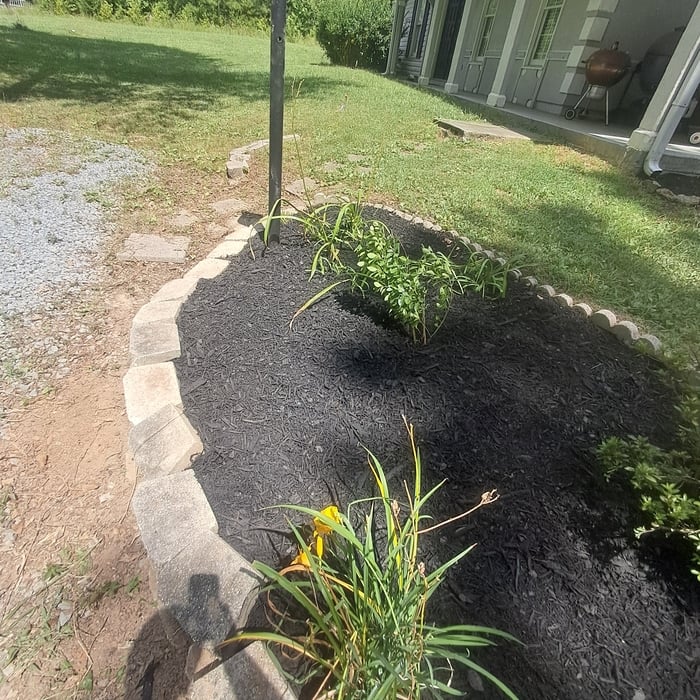
Flower Bed clean up
Flower Bed clean up
Flower Bed clean up
Flower Bed clean up
Flower Bed clean up

+175

Response time6 hrs
Response rate95%
25 neighbors recently requested a quote

R Ellis Enterprise
5.0(
10
)
Laminate Wood or Stone Flooring - InstallLuxury Vinyl Flooring - Install - Materials Not Provided by Consumer

Serving Cedartown, GA and surrounding areas

Approved

In business since 2015

Free estimates

Emergency services offered

"We were highly pleased with this job. The price was more than fair for this top quality work. The crew was professional and worked hard. You will not be disappointed if you hire this business!"
Response time2 days
Recommended by100%of homeowners
...
Showing 1-10 of 219
Flooring Installation FAQs, answered by experts

In most cases, you do not need to put padding or underlayment under carpet tiles. Unlike traditional carpet, which requires a separate pad, carpet tiles are designed to be installed directly onto a firm subfloor like plywood, concrete, or tile. Many carpet tiles come with a built-in underlay and attach with peel-and-stick adhesive, double-sided carpet tape, or glue. For a more comfortable, cushioned feel, especially in residential settings, you can opt for padded carpet tiles that have a thicker underlay attached. While it's generally not recommended to install a separate pad, a compact underlayment might be used in some situations, though this typically requires professional installation. An acoustic underlay may also be considered in commercial spaces or multi-level homes where noise reduction is a priority.

Ultimately, it’s a matter of personal preference. However, as a rule of thumb, lighter-colored carpets and walls will open up a room and often make it feel larger than it really is. On the other hand, darker shades tend to shrink a space, making it feel cozier. By mixing and matching light and dark colors, you can add dimension to the room.

If you don’t put padding under your carpet, the carpet won’t be protected from wear on the underside. This could result in a shorter life span for your carpet and increased carpet repair costs over time. An unpadded carpet can also be less comfortable to walk on, depending on your subfloor and the type of carpet.

There are a few different types of finishes to choose from for the final step of the project. 

Water-based polyurethane sealants emit fewer odors and fumes but dry quickly, which can pose a challenge when trying to get a smooth coat. Oil-based polyurethane sealants let out more odors and fumes into the air (it’s especially important to wear a respirator if you choose this type), but they take longer to dry, which can be more forgiving during the finishing step. 

Some may prefer wood oil to polyurethane because rather than creating a layer, it becomes part of the wood. Wood oil takes longer to dry, and is less resistant to wear and tear; however, it creates a natural-looking result by enhancing the grain of the wood. 

Door transitions can work with virtually any flooring type; however, different transition strips lend themselves better to specific flooring types. For instance, if you are bridging the gap between a taller floor, like carpet, to a shorter floor, like hardwood, then you will want a transition strip with a slight slope to bridge the height difference. These transition strips are called reducer molding. On the other hand, if you are bridging two floors of the same height, you can use flat transition strips, such as T-strips and seam binders.

The Cedartown, GA homeowners’ guide to flooring services

From average costs to expert advice, get all the answers you need to get your job done.