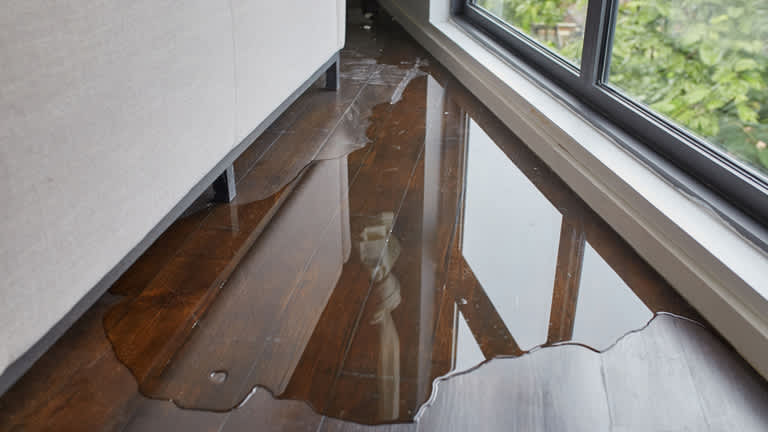
Most homeowners don’t know how to deal with water damage. Use this guide to take the proper steps to minimize damage and keep your family and home safe.
Is your concrete cracking? It might be caused by water damage

Water-damaged concrete surfaces form when moisture seeps into the porous structure through cracks, creating erosion that weakens your foundation over time.
Expect to pay $1,300 to $5,600 for water restoration services, with slab leak repairs ranging from $630 to $4,400 depending on your damage.
You should address plumbing leaks and waterproofing gaps first, then patch minor cracks with cement fillers after cleaning and drying the affected area.
Hiring a local concrete repair professional provides reliable support for foundation assessments, slab replacements, and waterproofing applications that protect your home long-term.
While you might not pay too much attention to the water left on your concrete after a heavy storm, water is actually one of the main factors that damage concrete. Water damaged concrete can affect your home’s value and functionality and sometimes turn into severer structural problems.
Water damage to concrete can result from several factors, including weather, improper installation, and soil movement.
The most common cause of water damage to concrete is a lack of proper waterproofing. A penetrating concrete waterproofing sealer usually works as long as the moisture content is less than 4%. Anything higher than that would require a moisture vapor barrier coating.
Root growth is inevitable if your concrete walkway is next to large trees. Along with natural seismic soil movement, they cause settlement cracks in the concrete, making it more vulnerable to water damage.
Plumbing leaks can cause water damage underneath the concrete surface and eventually result in major foundational damage. Leaking pipes weaken the concrete around them over time and eventually lead to cracking or crumbling of concrete.
Concrete’s porous structure is prone to residual water damage from standing and pooling water or unaddressed water leaks. This causes further erosion into the concrete’s structure. This type of water damage is often seen in basements and crawl spaces built from a concrete foundation.

Water damage can significantly compromise the concrete structure’s strength and integrity, reducing its durability and life span. For example, you may notice cracks, uneven floors, shattered surfaces, or crumbled concrete.
Mold can also grow from the cement in dark and moist environments, such as basements and crawl spaces, then quickly spread to the remaining undamaged concrete. Left untreated, moldy concrete can cause severe health problems. Plus, the mold can spread from the concrete foundation onto the surrounding wood structure, eventually contaminating your living quarters.
Knowing what types of water damage your concrete has can help address the problem more effectively.
Underground water damage is one of the most common reasons behind sulking, sinking, and crumbling concrete. Water underneath the concrete can erode and soften the material. It can also wash away the supporting soil, causing the slab to sink or crack from settling.
The sloping concrete then directs water toward your home’s foundation, causing soil loss on a much larger scale, which can then lead to foundation settlement. The damaged concrete also becomes more likely to collect debris and form pooling water, which leads to further damage.
Water expands when it freezes. If water has seeped under the concrete, then as it freezes, it can push the slab upward until the water thaws again. This cycle can eventually crack or shatter the concrete surface, allowing more water to seep in and causing further water damage.
If your concrete is no longer even, water can pool in the dents on the surface. Pooling water can damage concrete further, lead to muddiness during heavy rains, cause ice pockets during the winter, and become nurturing grounds for insect and pest infestations.
If your concrete surface already has hairline cracks from other reasons, such as water damage from underneath or soil shifting, pooling water would seep into the concrete more easily and lead to deeper erosions.
Fortunately, many clear signs will warn you about water damage on your concrete. Typical signs of water damage include:
Discoloration (21.1%): Water damage will change your concrete’s surface color. If you notice white or dark spots on your concrete, there might be water damage happening.
Moldy smell (8.7%): If mold grows in the pores or cracks, you will notice a musty stench coming off your concrete. This is usually more obvious in confined spaces like your basement or crawl space.
Peeling paint (31.1%): Paint and lamination won’t stay if your concrete is exposed to water. Look for peeling and bubbling paint or delamination, as they are telltale signs of water damage on concrete.
Cracks: Water damage underneath or on the concrete surface leads to cracking. Although water isn’t the only thing that causes concrete to crack, it’s good to look into repairing it because cracks also increase the chance of further water damage.
Rust-colored or efflorescence stains: Unlike stains formed from discoloration and constant spills, these stains are formed from water with iron and salt deposits. They’re a clear sign that your concrete is getting attacked by water.
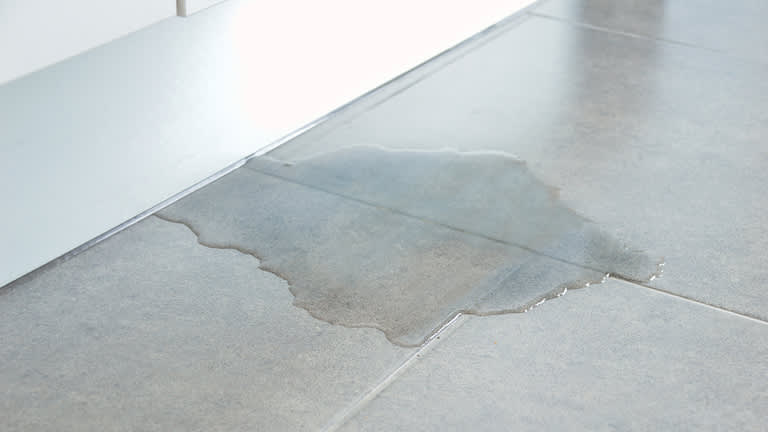
The easiest way to tell if the concrete is wet is to look at its surface. If you see a glossy reflection or a sheen, or a slightly darker color compared to other patches, it’s most likely wet. Wet concrete looks duller and lighter in color.
For more accurate results, invest in a moisture meter. They’re designed to tell you the moisture in different materials. However, using moisture meters on concrete can be challenging due to the material’s hardness. We recommend hiring a pro for accurate moisture assessment if you suspect there is water damage underneath the concrete surface.
To repair the water damaged concrete, you should start by addressing the root cause, and then move to the actual concrete that has been impacted. If the damage is minor, you can handle the job yourself
You should always address the root cause of water damage: where is the water coming from? Try to identify any plumbing leaks, poorly designed gutters and downspouts, or large trees near the damaged concrete. Sometimes, you might be able to tackle the issue yourself, spending on the scope.
Remove any debris on the concrete with a large broom, then use a water hose to rinse and clean the concrete thoroughly. Allow the area to dry completely before moving forward with any repairs.
If the damage is minor, you can patch the cracks and holes yourself with a putty knife and mortar or cement fillers, depending on the size of the damage. Make sure you remove any loose material and smoothen all edges before applying the filling material for a stronger binding.
If you are only needing to fill minor cracks and dents, it’s much more affordable to do the repairs yourself. However, you should hire a professional to repair or replace damaged concrete if the water damage is severe. Water restoration for concrete costs $1,300 and $5,600. Slab leak repairs range from $630 to $4,400, and may sometimes be covered by your insurance. Never attempt to replace a cement slab unless you have experience working in the industry.
Also, you may need to hire a different contractor, such as a plumber, roofer, or landscaper, to address the root cause of the water damage.
Finally, for long-term protection, consider hiring a pro to waterproof your concrete. Waterproofing generally costs between $3 and $10 per square foot.
If you’re good people wanting to do business with good people, hire Matt. He is a consummate professional and utterly competent. He installed a water heater in my home at a price that beat competitors by hundreds of dollars with a promise to support the unit for its life (even after its 6 yr...
 Greene's Plumbing Services
Corey Carr was great. I had damage from a recent storm and needed to have my mast and other components replaced. The project entailed coordinating with AEP, and Corey helped make a stressful situation a lot less stressful. I really appreciated his dedication to service and the job very well done.
 Mr. Electric of Columbus
This service was great. My air conditioner went out during the heat spell that we had. My husband has health issues and they came out that night and at 9:30pm the air conditioner was fixed and running. We are sooo very thankful, this is the company I will be using from now on and would...
 Mr. Mechanical Ohio
Positive experience. As previously stated, the replacement/repair could not be completed (no fault of the plumbing tech) b/c misinformation was rec?d by property management maintenance. Thanks to the plumbing tech for your efforts. Appreciate you!
 The Waterworks
Carpet repair done well. Scheduling was easy. Showed up on time.
 BR Flooring Installation
As usual with ECO, tech Jordan was outstanding, very professional, very knowledgeable, and very thorough with repairs made to tankless water heaters. Very highly recommend ECO!!!
 Eco Plumbers, Electricians, and HVAC Technicians
I would recommend this company to anyone! He showed up on time, was friendly, completed a very difficult repair on our dryer vent cover, was responsive, and pricing was extremely fair and competitive. I would have him back to do any of our repairs or cleanings without hesitation!
 U.S.A. Dryer Vent, LLC
Everything from initial contact to completion was absolutely top notch. We contacted the business during off hours to leave a message, and the owner still reached out to feel out the issue within minutes. We were scheduled and repaired within 48 hours. I cannot say enough about the...
 Supreme brick & chimney
Ace Fireplace Services came to the rescue for my chimney repair. They were quick to pinpoint the issue and worked their magic to fix it. My chimney is now in excellent shape, and I'm a satisfied customer.
 Ace Fireplace Services
When we had the winter freeze, I called Quantum Waterworks Waterline & Drain Cleaning Services and within 1 hour I received an e-mail and he sent someone out the next day and he was on time, he was nice and did the job quickly and cleaned up after himself. We had a leak in our kitchen from...
 Quantum Waterworks Waterline & Drain Cleaning Services, LLC
From average costs to expert advice, get all the answers you need to get your job done.
Most homeowners don’t know how to deal with water damage. Use this guide to take the proper steps to minimize damage and keep your family and home safe.
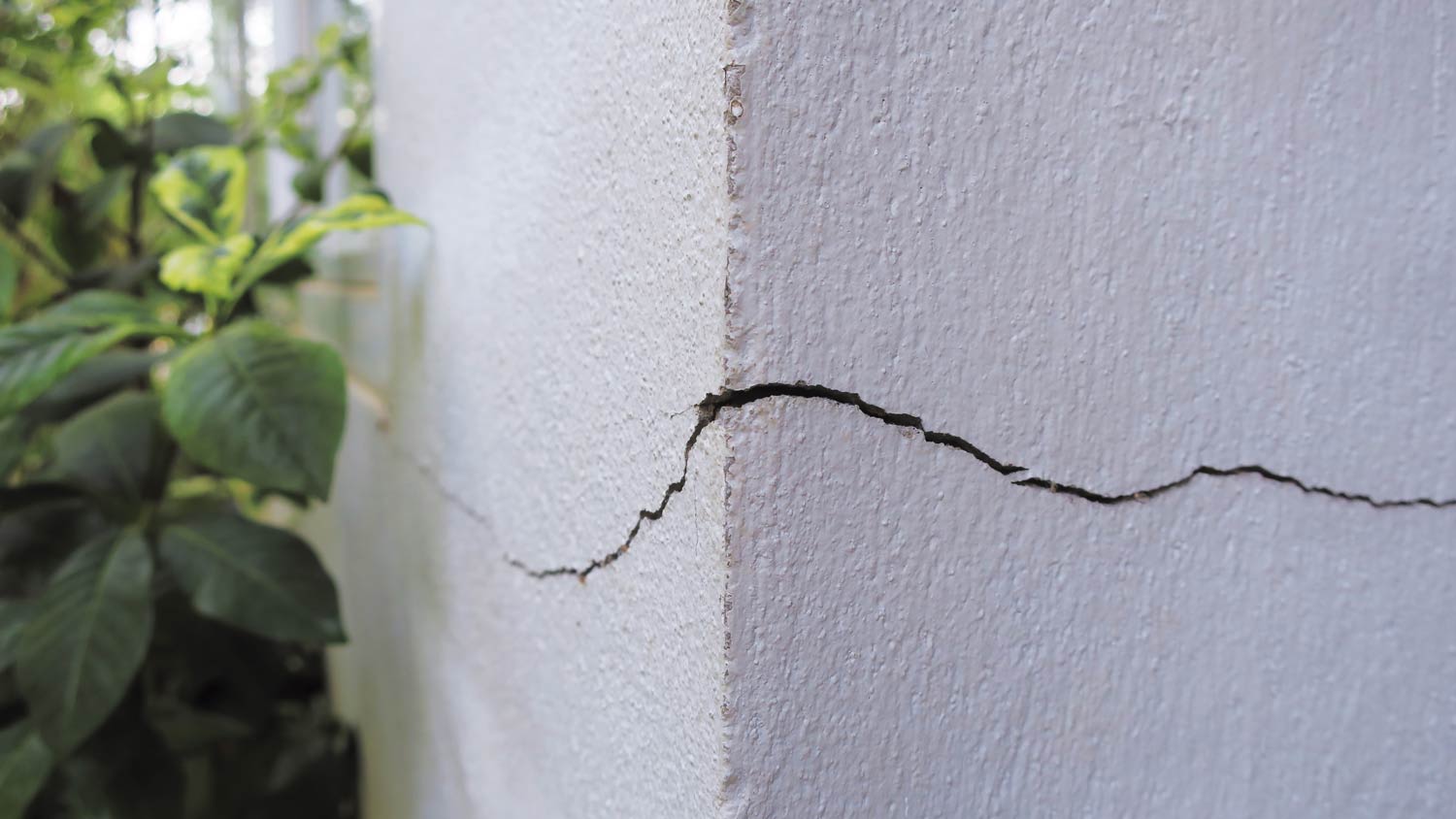
Foundation issues worsen over time, so understanding the signs of water damage to your foundation can help you limit the problem and total repair costs.
Learn the four classes of water damage, how to identify your class, and when to handle cleanup yourself or call a restoration pro to protect your home.
Restoring water damage can be a complicated process. Use these 12 water damage restoration tips to do the job right.
There are three categories of water damage: clean water, gray water, and black water. Learn their different harm levels and how to restore the damage.
Read about the most common signs of basement water damage, including water stains, mold growth, and foundation cracks, so you can prevent costly repairs.