

When pests show up, so do we.\n\nFor nearly a century, Terminix® has been one of America's most trusted names in pest control. Every day, our exterminators serve thousands of homes and businesses nationwide, combining national service with local knowledge to provide best-in-class, proactive pest management solutions. We stop problems before they start and respond quickly if issues arise, keeping your property protected.\n\nAnd for extra peace of mind, if pests come back, so do we — guaranteed.\n\nThe Terminix It Guarantee means that if pests come back, so do we, to re-treat at no additional cost. No excuses, just a commitment to care for your home like it's our own with protection you can trust.
Safe Haven Wildlife Removal is proud to offer humane wildlife control solutions. With years of experience and unmatched expertise we can help with any and all of your bird, bat and small animal removal needs. We guarantee safe and effective removal and rescue solutions. If our specialist do not get rid of the problem then you will not pay. \n\nEvery job poses a new unique challenge we love solving. Pele once said Success is no accident. It takes hard work, perseverance, learning, studying, and most of all, love of what you are doing. Working with our clients through appropriate bird removal practices, Safe Haven opens opportunities that impact local job growth, local development, and better opportunities in every community. We call this EIL! Earning, Investing, and Living. EIL is what inspires Safe Haven. We love what we do!
I specialized in all constructions. My business is licensed to conduct real estate, mortgage loans, and constructions. I have three florida licenses. We are a 1-stop shop. Give my company a call and we will right there to take care of your needs.
DIY removal of birds or bats is not recommended due to safety risks and potential legal protections for certain species. While simple prevention methods can be done yourself, actual removal and control of an infestation should be handled by professionals who are familiar with safe, humane, and effective techniques.
You can take multiple approaches to keep animals out of your edible landscape. You can use natural repellents such as mint and cayenne pepper to deter them from your garden. You can also build a fence (or opt for a privet hedge) or keep the most enticing plants in a sectioned-off area. The most efficient method of keeping your four-legged guests at bay is to determine what animal it is and create a customized plan for them.
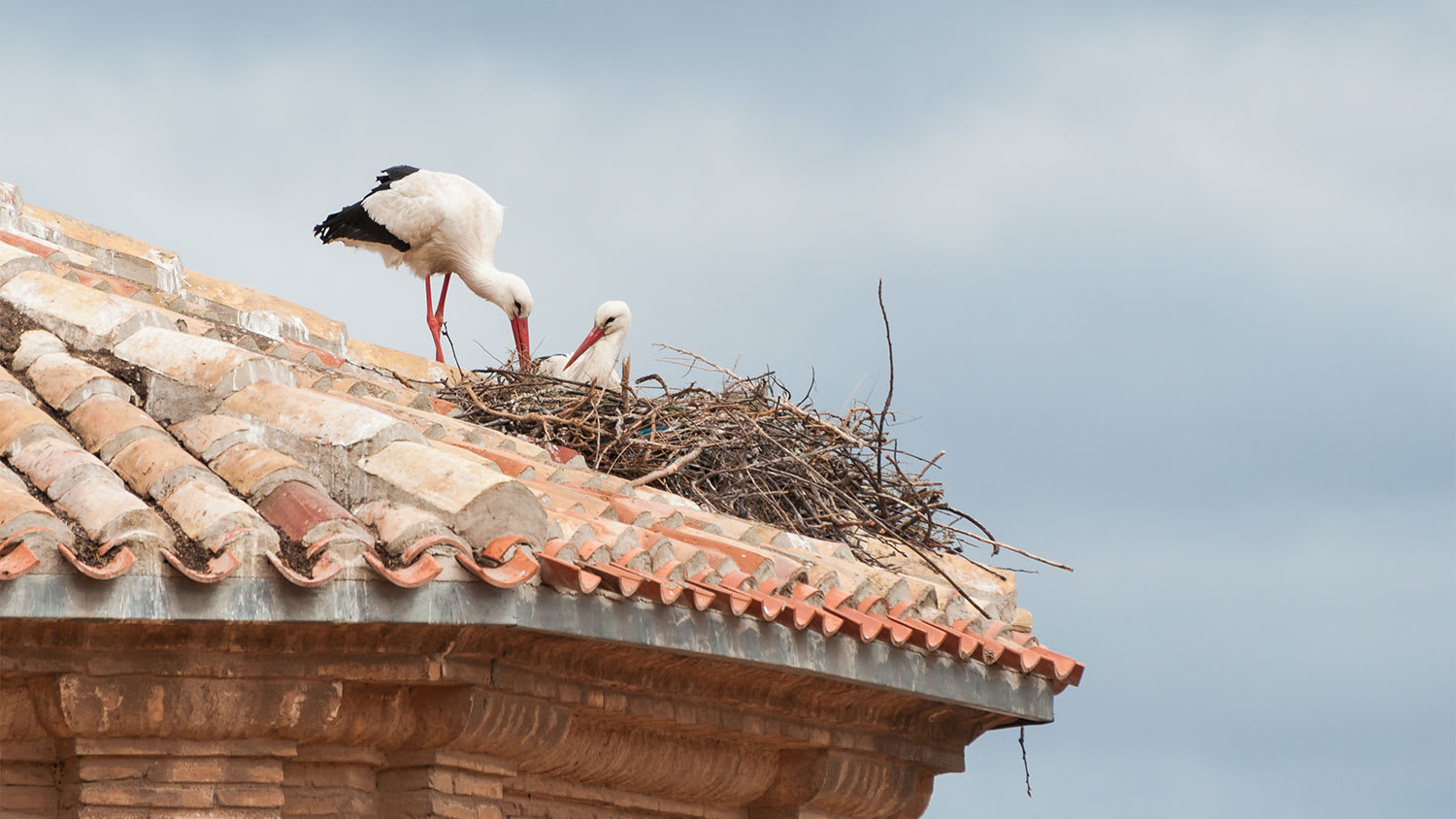
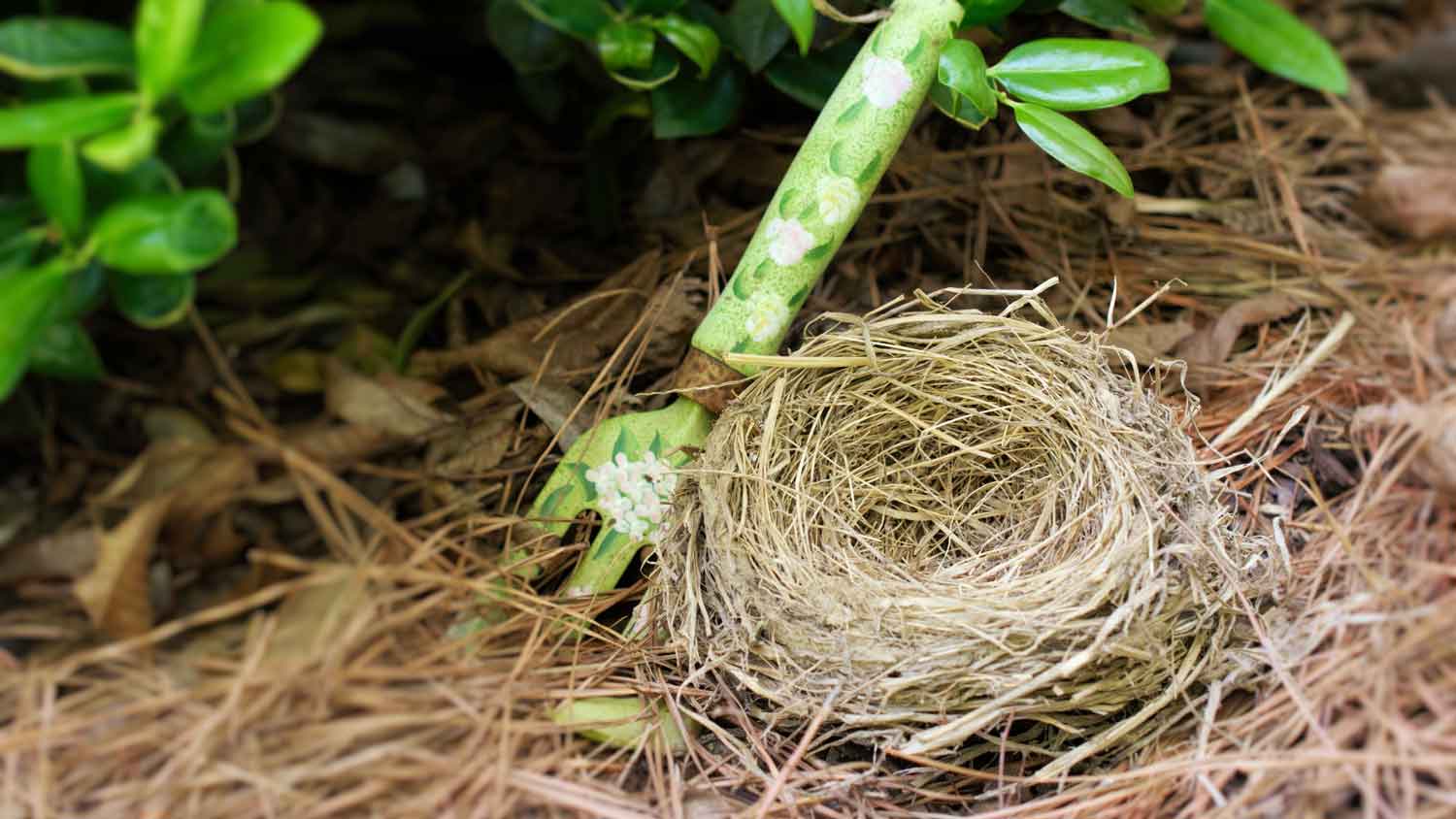
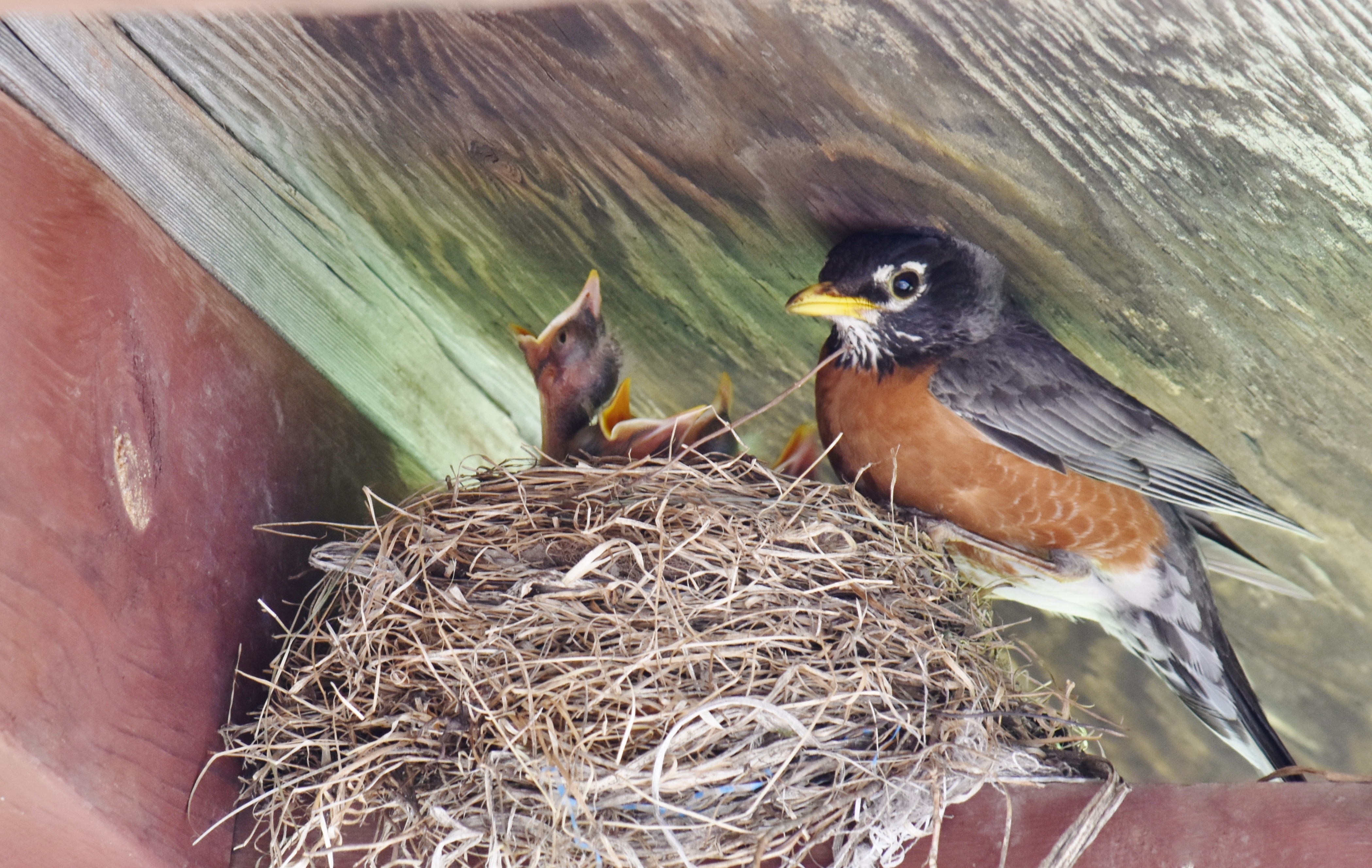
While not common, bird’s nests can cause problems to your property in some cases.
Block vents for your dryer, stove, and fans, creating a fire hazard
Clog gutters and drains, leading to roof and siding damage
Damage solar panels
Wiring issues if the nest is on or near a light fixture
It is possible, though unlikely, that a home insurance policy will help cover the costs of professional bat removal. However, some policies will chip in for guano removal and associated repairs, such as replacing drywall. Take some time to read the fine print of your homeowner’s insurance policy and call your provider to inquire about bat removal, guano removal, and related repairs.
Identifying the specific animal running on your roof at night can be challenging without direct observation. Common nocturnal roof visitors include raccoons, squirrels, opossums, and rats. Raccoons are bigger and can create heavy thumping sounds. Squirrels are agile and may produce rapid scurrying noises. Opossums tend to move stealthily with less noise. Rats can make scratching or gnawing sounds. To determine the culprit, look for signs like footprints, droppings, or damaged areas near the roof. For accurate identification, consult a pest control professional or set up wildlife cameras near potential entry points.
The Camilla, GA homeowners’ guide to bird control services
From average costs to expert advice, get all the answers you need to get your job done.
Sometimes birds nest in unwelcome places. Find out how much bird nest removal will cost based on factors like location, bird species, and preventative measures.