





Top-rated bird control service pros.

Get matched with top bird control service pros in Newton, GA

Enter your zip and get matched with up to 5 pros

Need a pro for your bird control service project in Newton, GA?

Select your specific project to find the pro for you.

Find Bird control service pros in Newton

Avatar for Safe Haven Wildlife Removal
Safe Haven Wildlife Removal
New to Angi
Pest Control - Birds and BatsPest Control - Birds and Bats - For Business

Serving Newton, GA and surrounding areas

In business since 2013

Free estimates

Warranties offered

Safe Haven Wildlife Removal is proud to offer humane wildlife control solutions. With years of experience and unmatched expertise we can help with any and all of your bird, bat and small animal removal needs. We guarantee safe and effective removal and rescue solutions. If our specialist do not get rid of the problem then you will not pay. \n\nEvery job poses a new unique challenge we love solving. Pele once said “Success is no accident. It takes hard work, perseverance, learning, studying, and most of all, love of what you are doing.” Working with our clients through appropriate bird removal practices, Safe Haven opens opportunities that impact local job growth, local development, and better opportunities in every community. We call this “EIL”! Earning, Investing, and Living. EIL is what inspires Safe Haven. We love what we do!

Response time10 mins
Bird Control questions, answered by experts

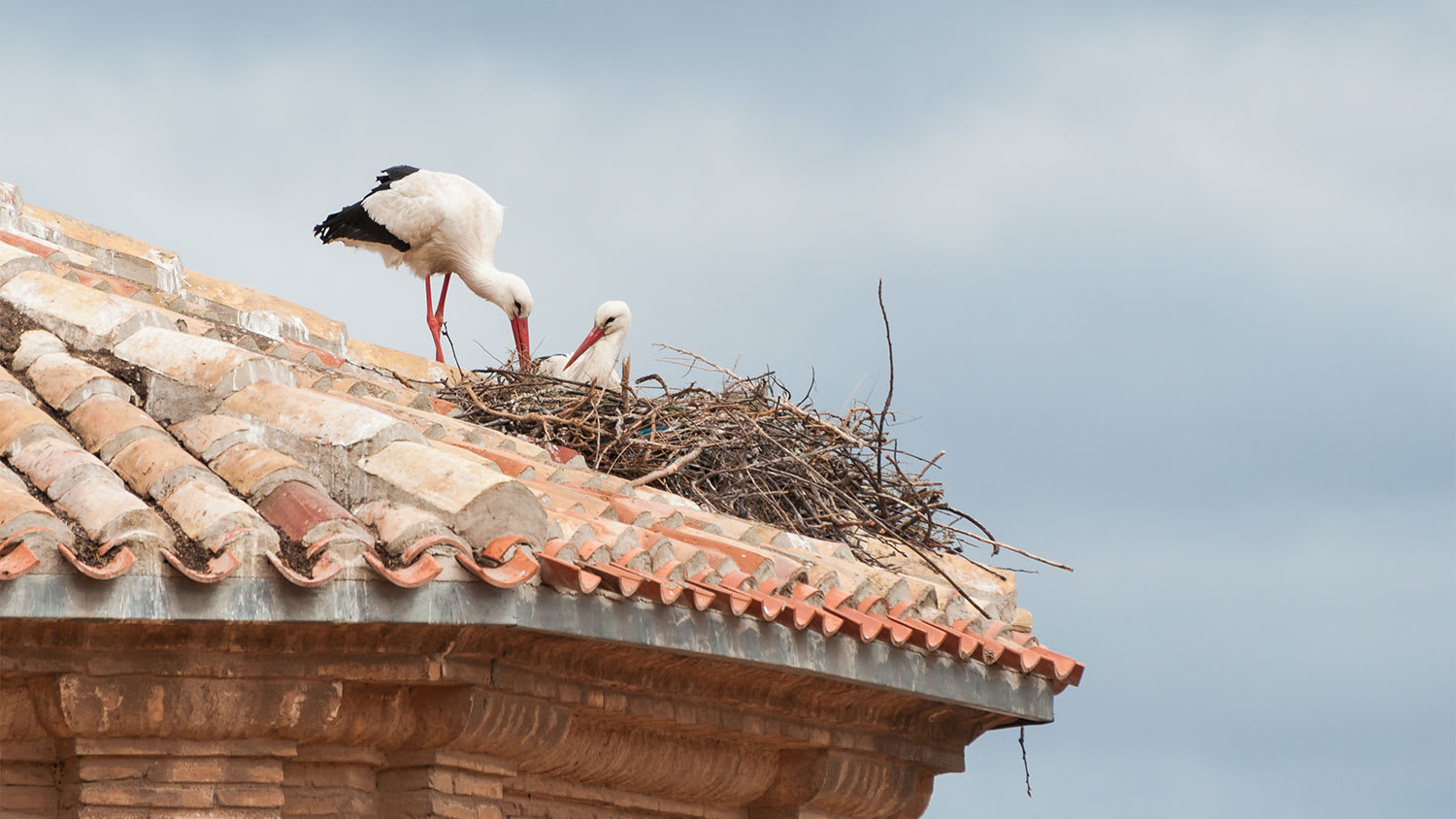
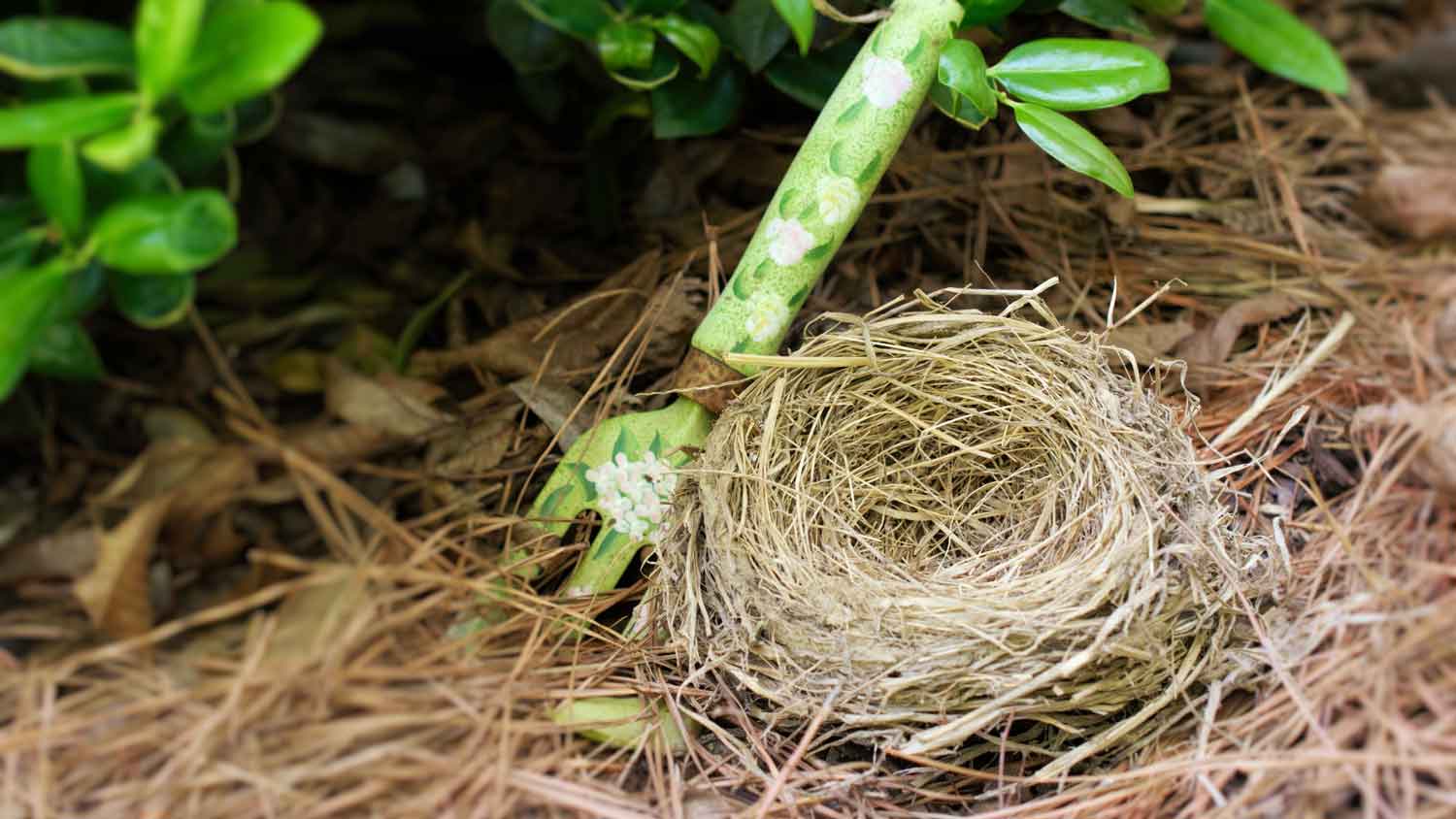
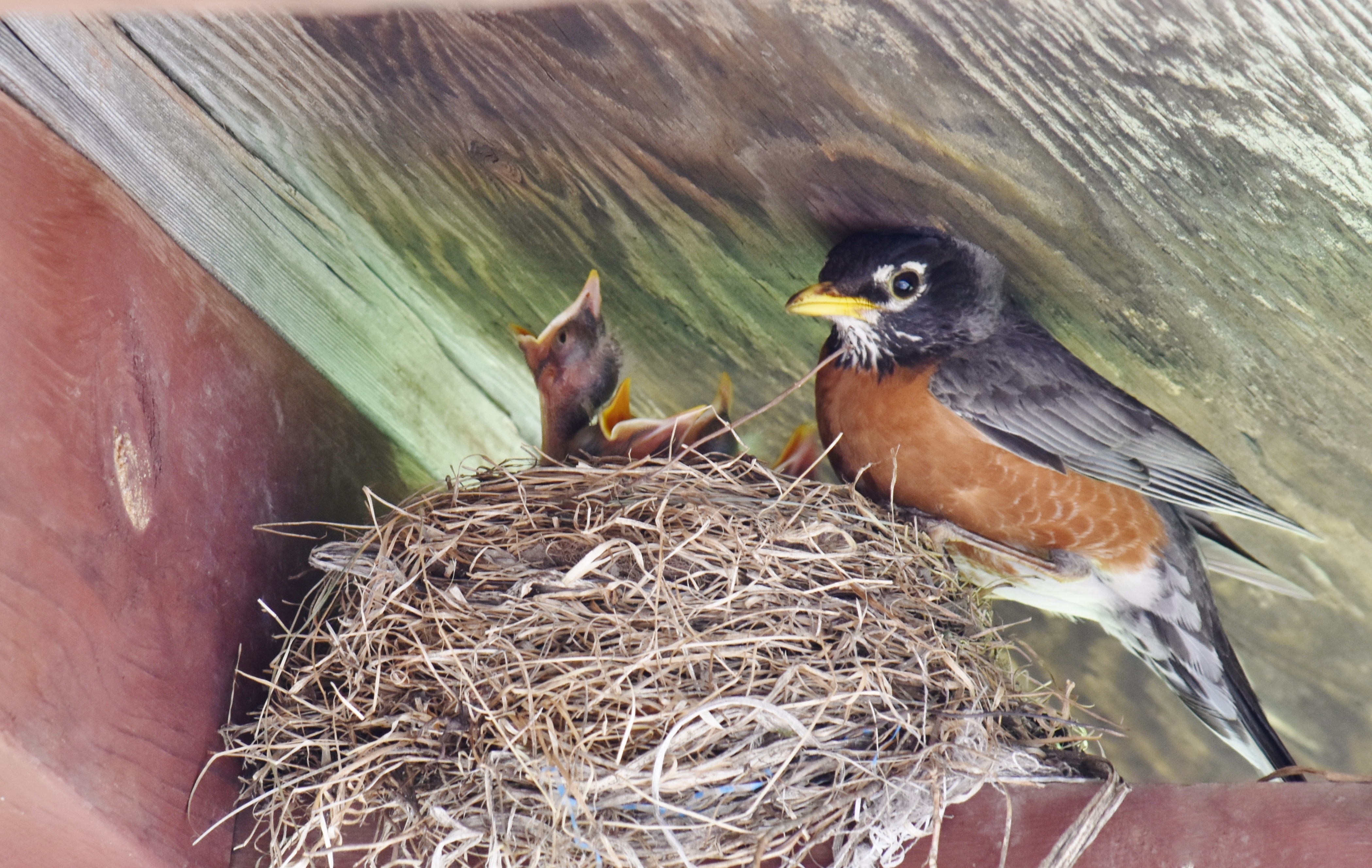
The lifespan of a bird's nest depends on the species. The building process can take from two days to three weeks. Once built, the nesting period for baby birds can last from two to ten weeks before they leave the nest. While most young birds are ready in two to six weeks, some predatory species may need up to two and a half months. Some species nest four to five times per year, so a nest could remain in use for several months. For specific information about a particular nest's longevity, it is best to consult a wildlife professional.

Rabbits face a range of formidable adversaries in rural and suburban areas. Natural predators such as hawks, foxes, bobcats, raccoons, coyotes, and weasels pose significant threats to their survival. These skilled hunters target bunnies for food, contributing to regulating rabbit populations. Outdoor housepets can be enemies, too, particularly dogs and cats. And loud little humans playing in your yard make great rabbit deterrents, too.

Using audio and visual methods to discourage birds might work initially, but birds tend to acclimate to them over time. While chemical deterrents can show some effectiveness, their results can be inconsistent. Some may dissipate too quickly, and there's a risk they might cause unintended damage to your surroundings. Additionally, birds might become immune or resistant to the impact of such treatments.

Hawk attacks on pets are rare, and they won’t target animals that outweigh them. Hawks typically weigh between one and three pounds. That means you don’t need to worry if you have a Labrador Retriever or French Bulldog. However, small cats and toy breed dogs, like Chihuahuas, are at risk. Pet attacks are more likely in winter when food is scarce or in the early summer when inexperienced young hawks are honing their hunting skills.

Signs include visible nests, droppings, frequent loud noises, or structural damage caused by these animals, indicating a need for pest control intervention.

The Newton, GA homeowners’ guide to bird control services

From average costs to expert advice, get all the answers you need to get your job done.