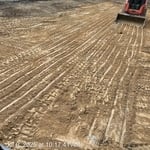
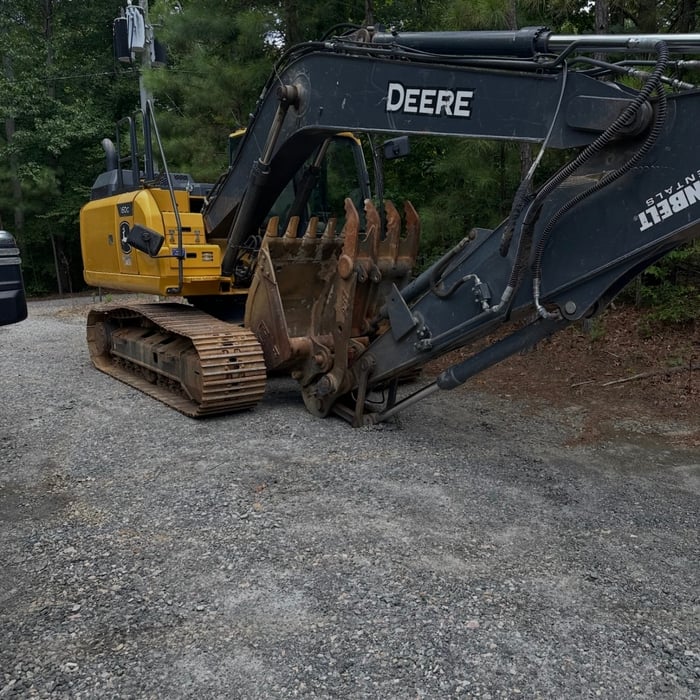
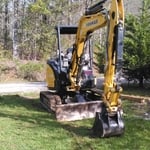
"Descher Diversified has met our grading and excavation needs for years. Not only are they professionals, they are personable, and operate their machinery as if it is merely an extension of their hands and feet. They are the best!!!"
We are a locally owned and operated company that values honesty and integrity and treats your home as if it were our own. We offer a variety of General Contractor services that are customizable to each individual project. You will find us to be competitively priced, paying close attention to the details of each and every project that we are involved with. We look forward to building lasting relationships and guarantee your satisfaction!
\n
We take great pride in our experience, expertise, quality, and customer service that we provide to meet the consumer's needs. It is our mission to provide excellent workmanship and complete customer satisfaction from start to completion of a project. In order to understand the needs and expectations of our customers, we take great care to work and communicate with every customer in a professional manner. Our reputation is based on service, safety, and quality, regardless of how large or small the job.
Four Seasons Lawn Care of North Georgia, is committed to excellence in every aspect of our business. We uphold a standard of integrity bound by fairness, honesty, and personal responsibility. Our distinction is the quality of service we bring to our customers. Accurate knowledge of our trade combined with ability is what makes us true professionals. Above all, we are watchful of our customers' interests and make their concerns the basis of our business
We take great pride in our experience, expertise, quality, and customer service that we provide to meet the consumer's needs. It is our mission to provide excellent workmanship and complete customer satisfaction from start to completion of a project. In order to understand the needs and expectations of our customers, we take great care to work and communicate with every customer in a professional manner. Our reputation is based on service, safety, and quality, regardless of how large or small the job.
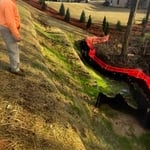
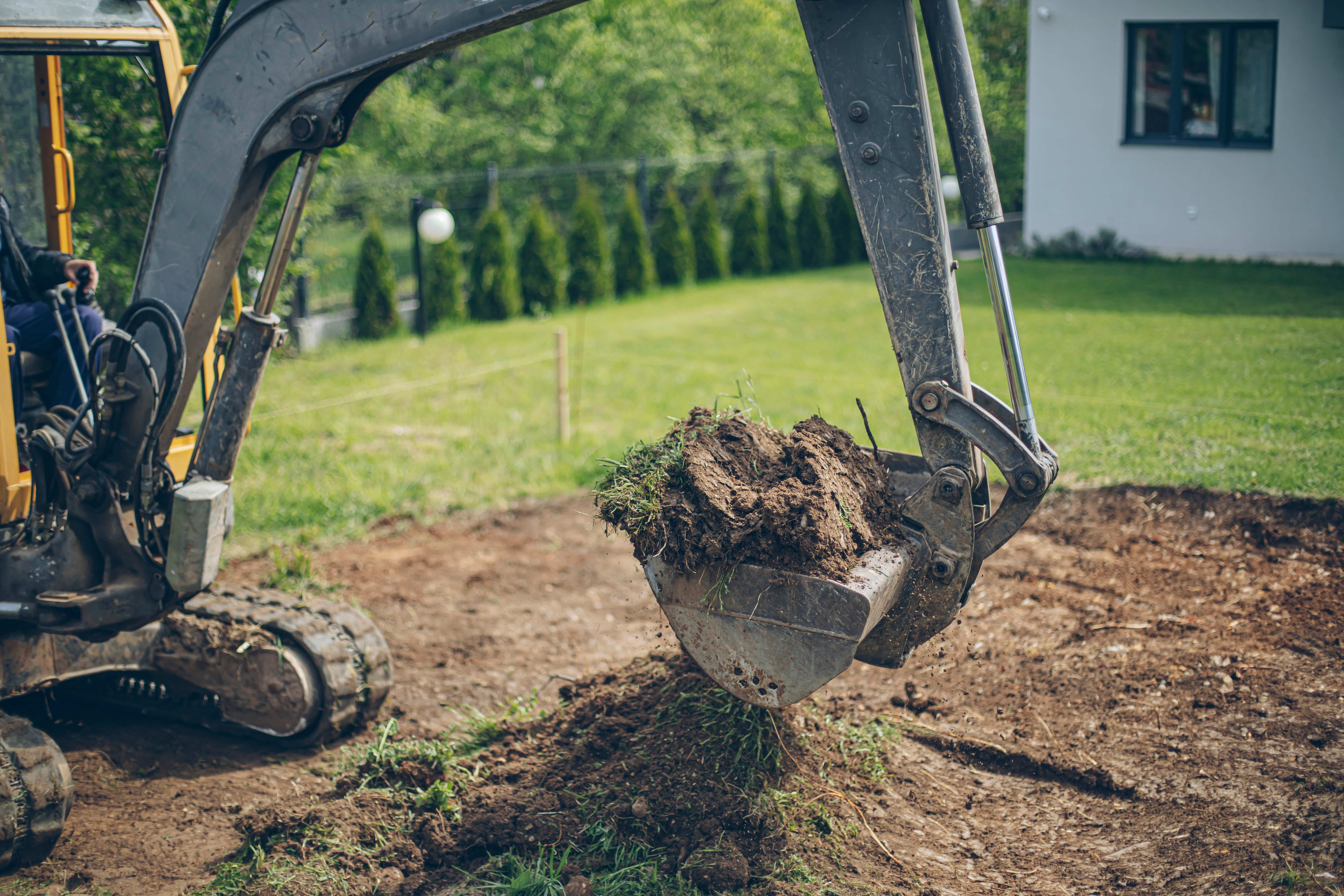
Light grading and excavation, Hydroseeding, all erosion control needs.
\nWe pride our company on reliability, great communication, integrity, and quality work. We are experts in our trade and will do our best to keep you as educated as we can on your particular task or project. We provide professional services at affordable prices and no job is too big or small. We look forward to earning your business! Contact us for a consultation and lets get started!
Hydroseeding Georgia is committed to excellence in every aspect of our business. We uphold a standard of integrity bound by fairness, honesty, and personal responsibility. Our distinction is the quality of service we bring to our customers. Accurate knowledge of our trade combined with ability is what makes us true professionals. Above all, we are watchful of our customers' interests, and make their concerns the basis of our business
\n
North GA Excavation Group LLC is committed to excellence every aspect of our business. We uphold a standard of integrity bound by fairness, honesty, and personal responsibility. Our distinction is the quality of service we bring to our customers. Accurate knowledge of our trade combined with ability is what makes us true professionals. Above all, we are watchful of our customers' interests, and make their concerns the basis of our business.
We at SCC Asphalt Surfaces, focus on quality over quantity. We use our years of experience and expertise to complete your project, with perfection. Customer service and honesty, are the most important aspects of our business, and your satisfaction is guaranteed. Please call us today, for an estimate. We look forward to working with you.
\n
\n
\n
HC Construction and Grading, LLC is a full service residential and commercial builder/general contractor servicing Rabun County, GA and many surrounding areas. We are fully insured with a reliable and efficient team that takes pride in providing quality work for all of our customers.\n
The average cost of excavation is approximately $3,200, with typical projects ranging from $500 to $15,000. Depending on the contractor, you may be charged between $50 and $200 per cubic yard or an hourly rate of $40 to $180 for an excavation specialist. The total cost is influenced by several factors, including the project size, the amount of soil to be removed, and the soil's condition. Hard soil, tree roots, or excessive rocks and clay can increase the price, potentially adding $200 to $1,200 to the final bill. Other factors that can drive up costs include the presence of nearby structures that complicate the work or tight spaces that require manual excavation instead of heavy machinery.
Slab foundations are more affordable than crawl spaces because they require minimal excavation, as the slab sits directly on the ground or on footers that only sink a few feet into the ground. Crawl spaces require excavation of the entire footprint of the home to several feet below the surface. Not only does that mean higher labor costs, but more materials are necessary for the concrete foundation walls.
Yes, trenchers can go through gravel. Gravel is made up of smaller, softer rocks that certain trenchers are able to cut through. Just be sure to use a rock wheel trencher or chain trencher, both of which are made to cut through rocky landscapes and gravel pathways without dulling the teeth or chain.
Most professional excavation teams will charge between $8 and $15 per cubic yard. Calculate the cost by finding the volume of your pool—width x length x depth—and dividing it by 27. Then, multiply the price by the cubic yards from your equation. Budget for complications like a rocky lawn, hard-to-access pool area, or high local labor prices.
If you have a broken sprinkler pipe underground, there will be some signs you can easily spot to locate it and take action. These include leaks, water spouts, flooding, consistently damp areas on your lawn, low water pressure, and grass around the sprinkler head that’s taller and darker than anywhere else in the yard.
If there are no obvious signs of a broken pipe, you can use tools such as water leak mics, leak noise loggers, audio devices that record leaks, and acoustic testing links.
Broken pipes can lead to uneven watering, plant damage, and higher utility bills. The longer you wait to fix them the more the repair cost may be.
The Alto, GA homeowners’ guide to excavation services
From average costs to expert advice, get all the answers you need to get your job done.
Excavation costs $1,500 to $6,300 for most residential projects—but it depends on factors like the size of the area. This guide will help you plan a budget.
You can't have an in-ground pool without digging into the ground. How much does pool excavation cost, and can you take it on yourself? Our guide explains.
Picking the right pro can make or break your project. Learn how to hire an excavation pro with the qualifications and skillset to do the job efficiently.