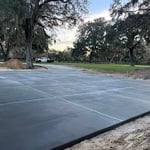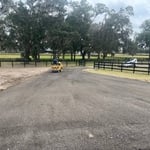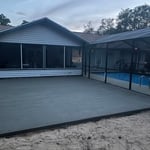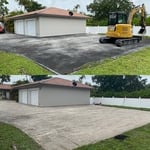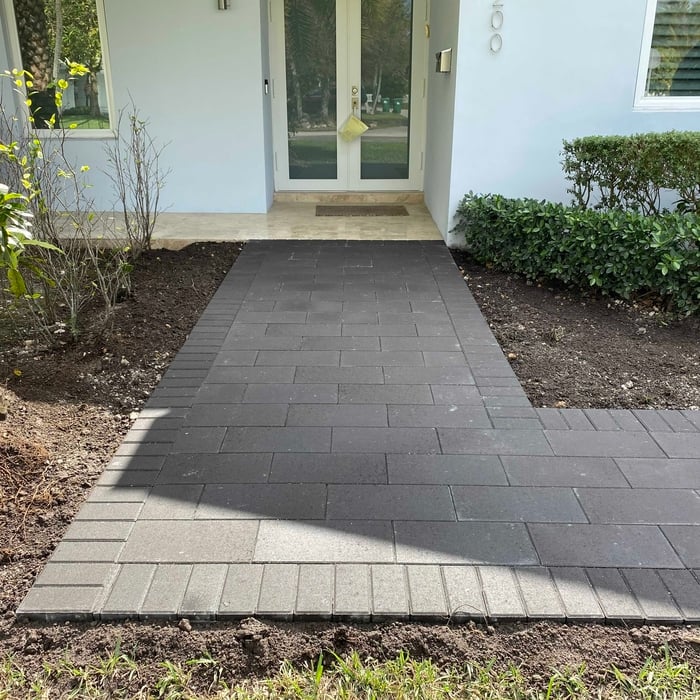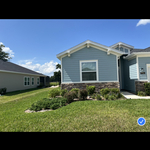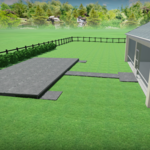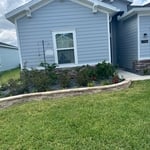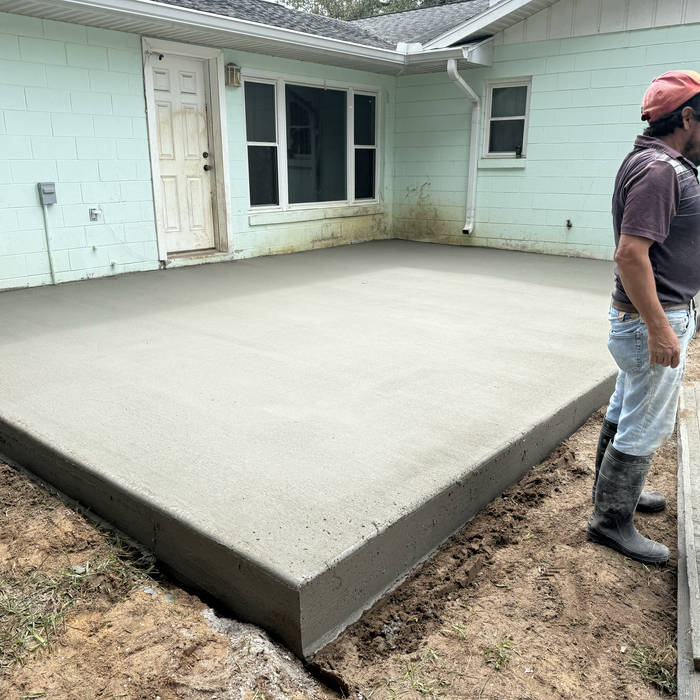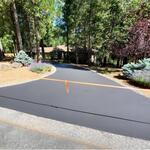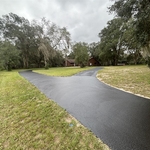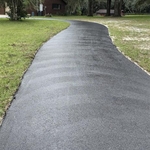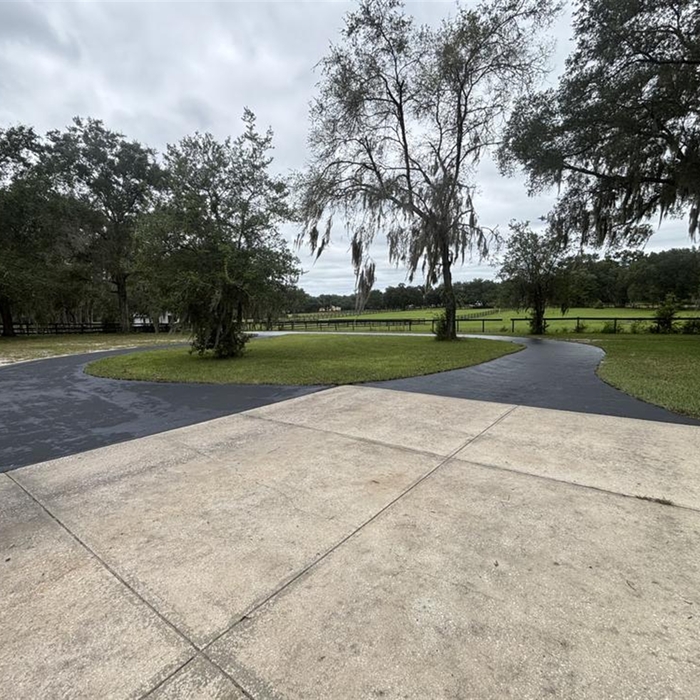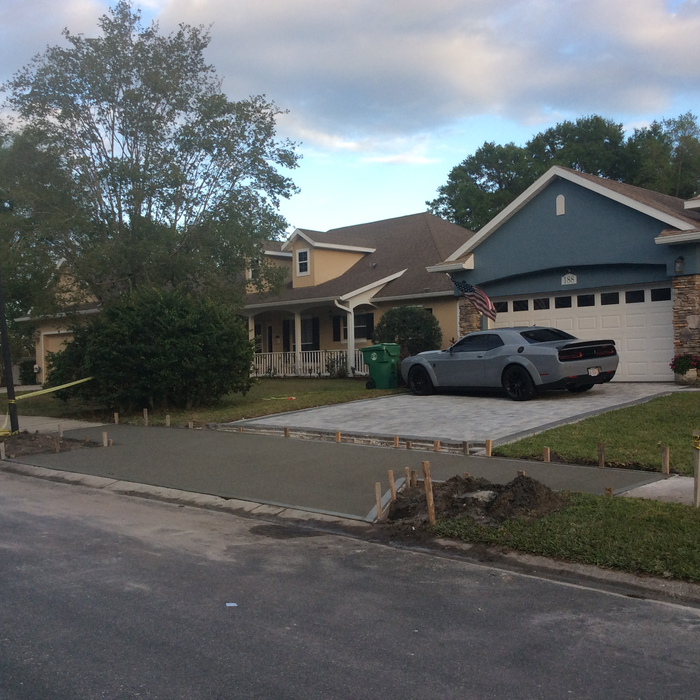






"Frank showed up on time and did a very professional job. Neighbors have already commented on how nice our newly graveled driveway looks. Would definitely recommend this company."
"Ron told us what the work would cost and when it would get done. When the work was interrupted by rain Ron covered the work with waterproof sheets and returned the next day. Excellent work at a fair price. Highly recommended"
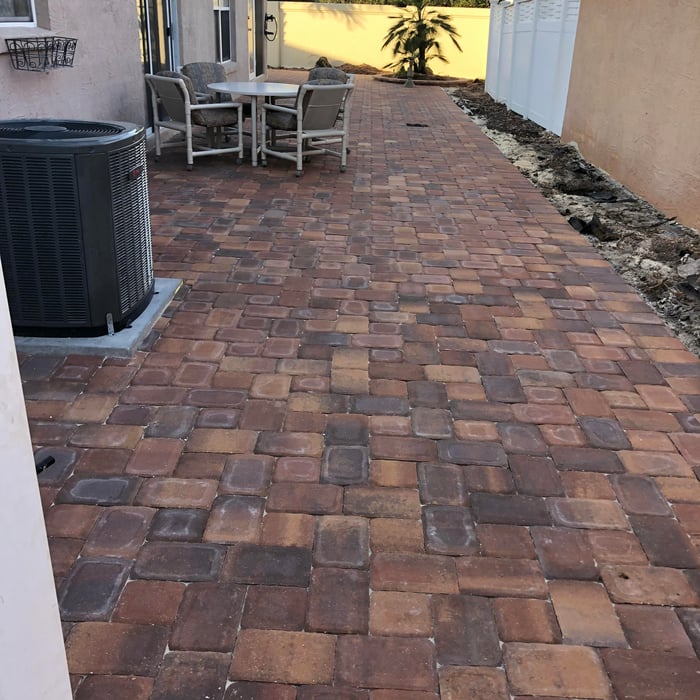
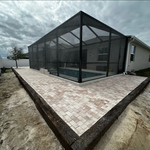
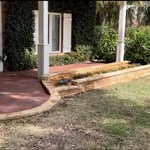
"This is the Best Company that has done brick pavers and Landscaping, for me! Hard workers , guaranteed their work. So polite!! Will ask that they come back for next project."
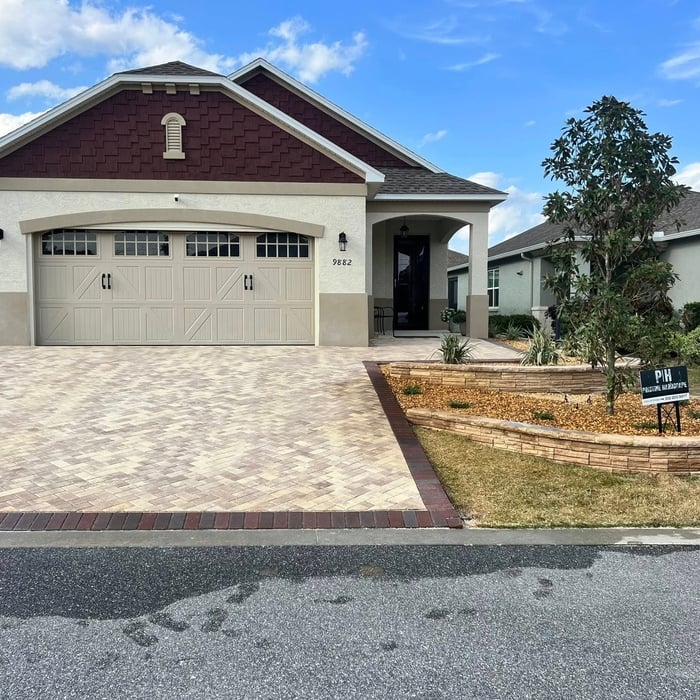
"Nationwide Paving was very easy to work with they addressed all of my concerns with my project. They did everything in a timely manner. All of the guys were so respectful! So happy with my new paved driveway! Will be choosing Nationwide for any of my future paving needs!"
"Casey listened carefully to my hopes for a fence that was level across the top. In one part of my yard the ground is not level, and he took the time to come to a solution that made me very happy. I highly recommend this company."
To maintain their strength, asphalt driveways and parking lots need to be sealcoated once every two to five years. You may also need to reapply paint striping every few years as it fades to ensure drivers can safely navigate the parking lot.
An ideal driveway gradient is between 2% and 5%. Anything lower than 1% or higher than 15% can cause problems for your car or property. A driveway with less than a 1% slope increases your likelihood of flooding and water damage, while a driveway with a 15% grade or higher can be too steep for safe traveling.
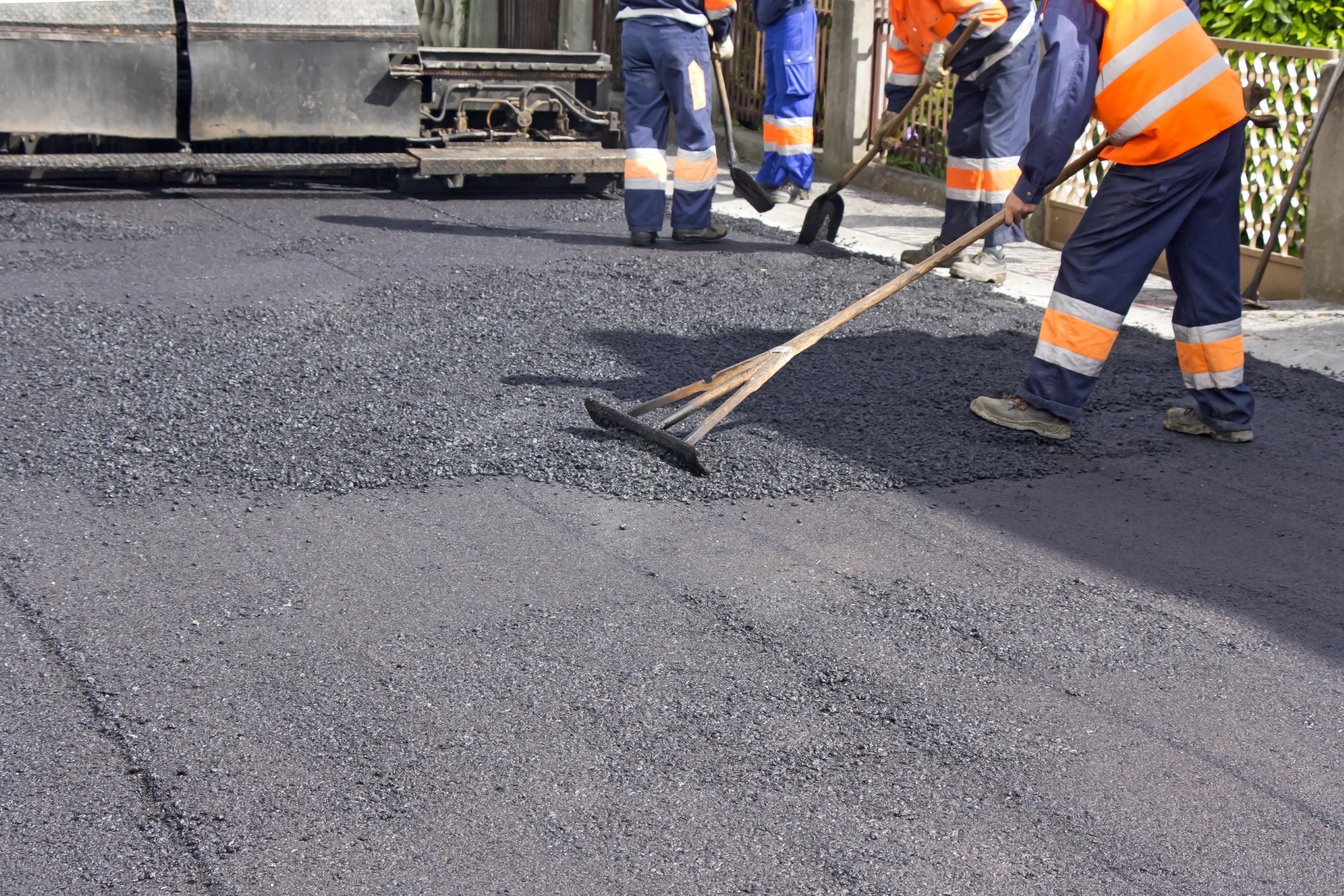
This creates a risk for your driveway to fail after asphalt curing because it doesn't have a lasting bond with the surface. In order to get asphalt to perform as intended, it's necessary to prepare the dirt surface correctly first. The loose soil base under the new driveway must be compacted until it is stable enough to support the weight of the asphalt.
New asphalt goes through two stages: drying and curing. Drying typically takes 24 to 72 hours, after which the surface is solid enough for light use like walking or careful driving. While you may be able to park on it after 72 hours, the surface is still soft and should be treated gently. Full curing is a much longer process, taking anywhere from 30 days to a full year for the asphalt to reach maximum strength. During this extended curing period, the asphalt is susceptible to damage from heavy vehicles, sharp objects, and high temperatures. Factors like weather, the specific asphalt mix, and application thickness all influence drying and curing times. For the most accurate timeline and to ensure the longevity of your new asphalt, it is always best to consult with your installation contractor for their specific recommendations.
If you’re looking for a similar, eco-friendly driveway material, you might consider one of these options:
Permeable pavement: This material is sometimes called “pervious” or “porous” pavement; it allows stormwater to drain into the subbase, eliminating storm drain costs.
Gravel: Consider paving your driveway with locally sourced gravel. By sourcing from a nearby source, your money won’t fund international shipping and will be invested back into your local community.
Natural stone pavers: Because natural stone pavers are made from organically-produced stone, there’s no new manufacturing required, limiting the environmental impact. In addition, water easily flows and drains through the gaps in the pavers.
The Weirsdale, FL homeowners’ guide to asphalt driveway services
From average costs to expert advice, get all the answers you need to get your job done.
Adding a new asphalt driveway to your home can boost its overall appearance and give homeowners a nice ROI down the line. But how long do asphalt driveways last, and what can you do to maximize their lifespans? Read this guide to find out.