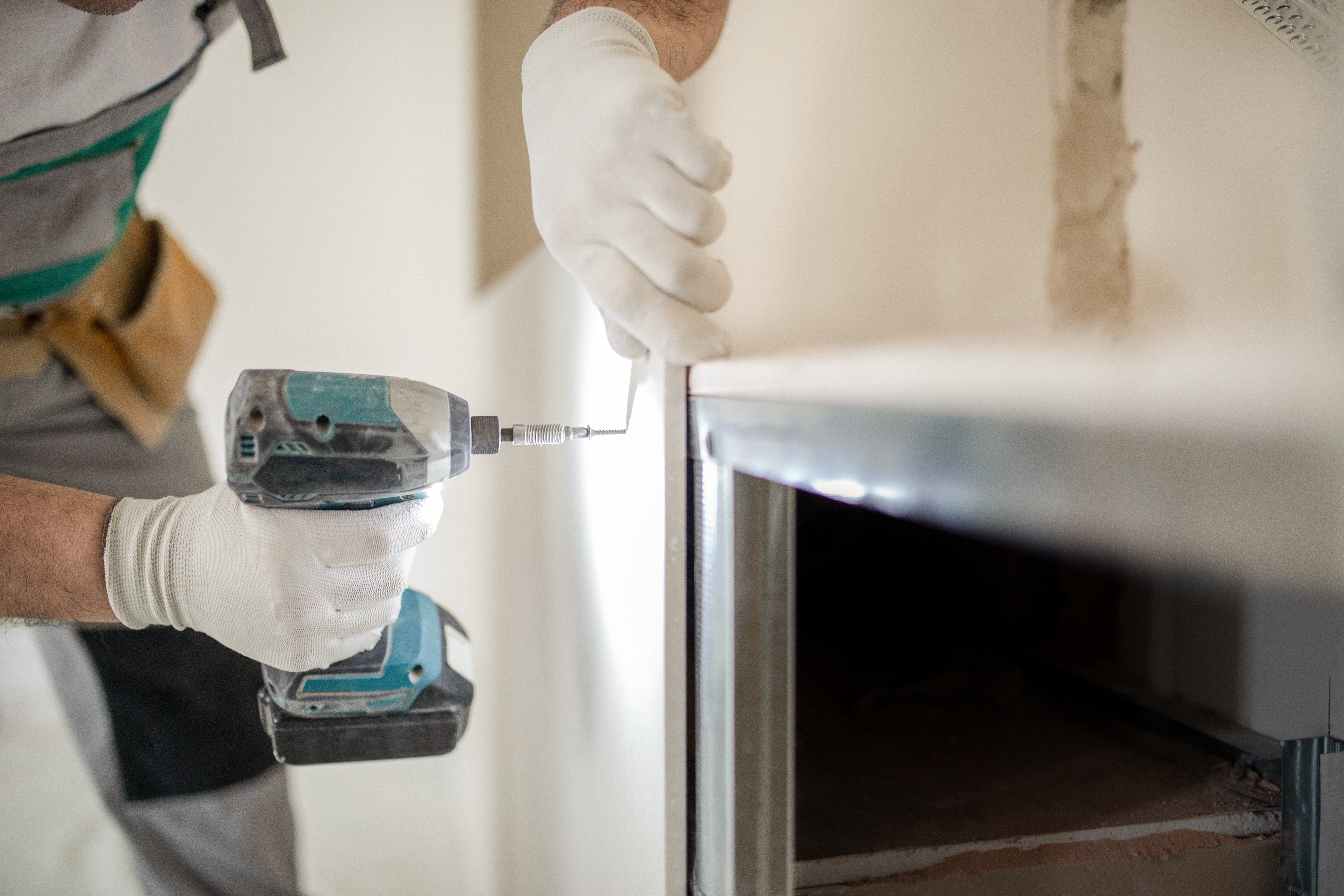
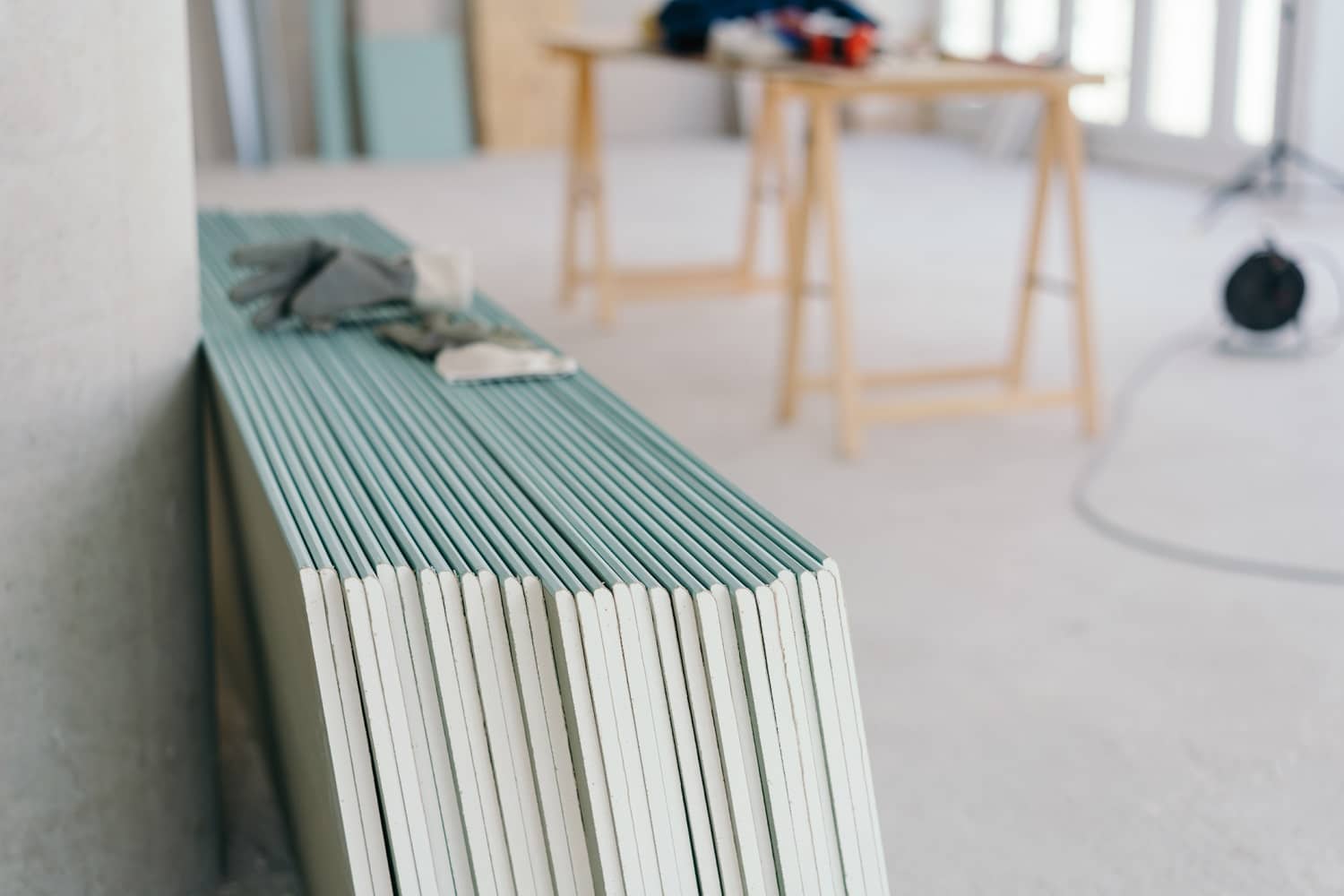
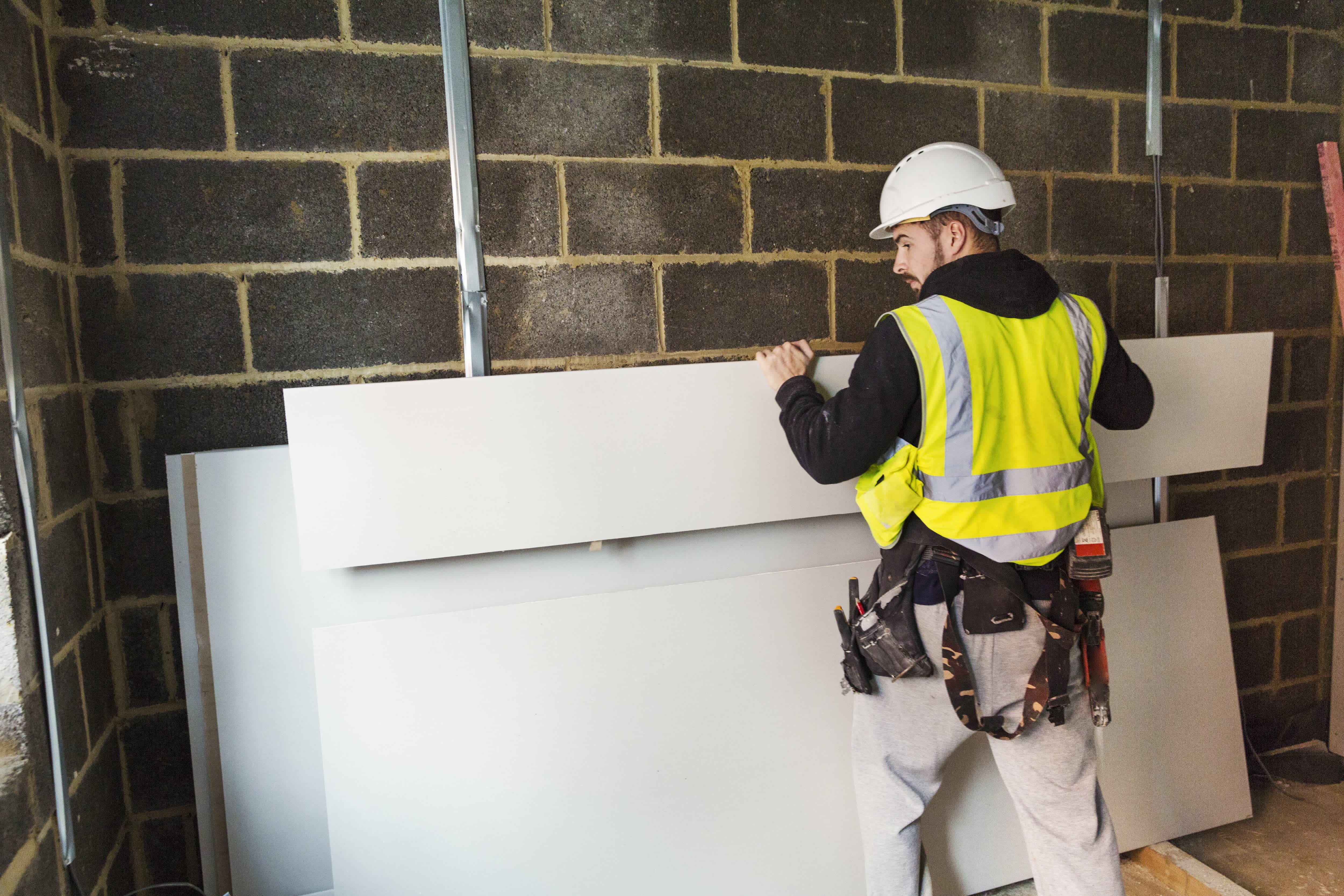
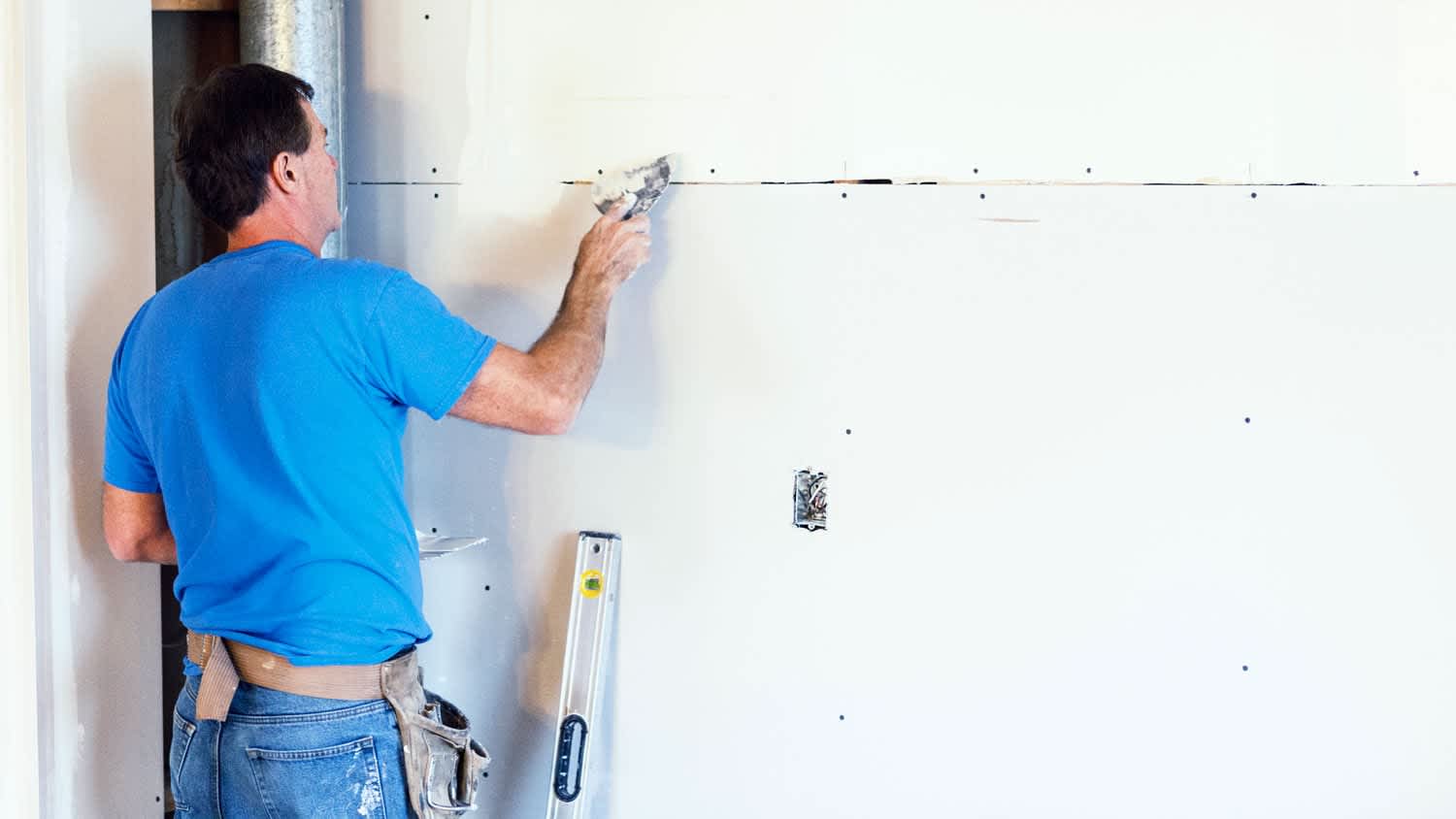
The cost to install drywall is between $1.50 and $3 per square foot, while shiplap installation costs between $2 and $7 on average. In most applications, shiplap installations cost more than that of putting in drywall. However, several ways exist to reduce shiplap prices, especially for small locations or accent walls, which can keep the total cost of shiplap competitive with that of drywall.
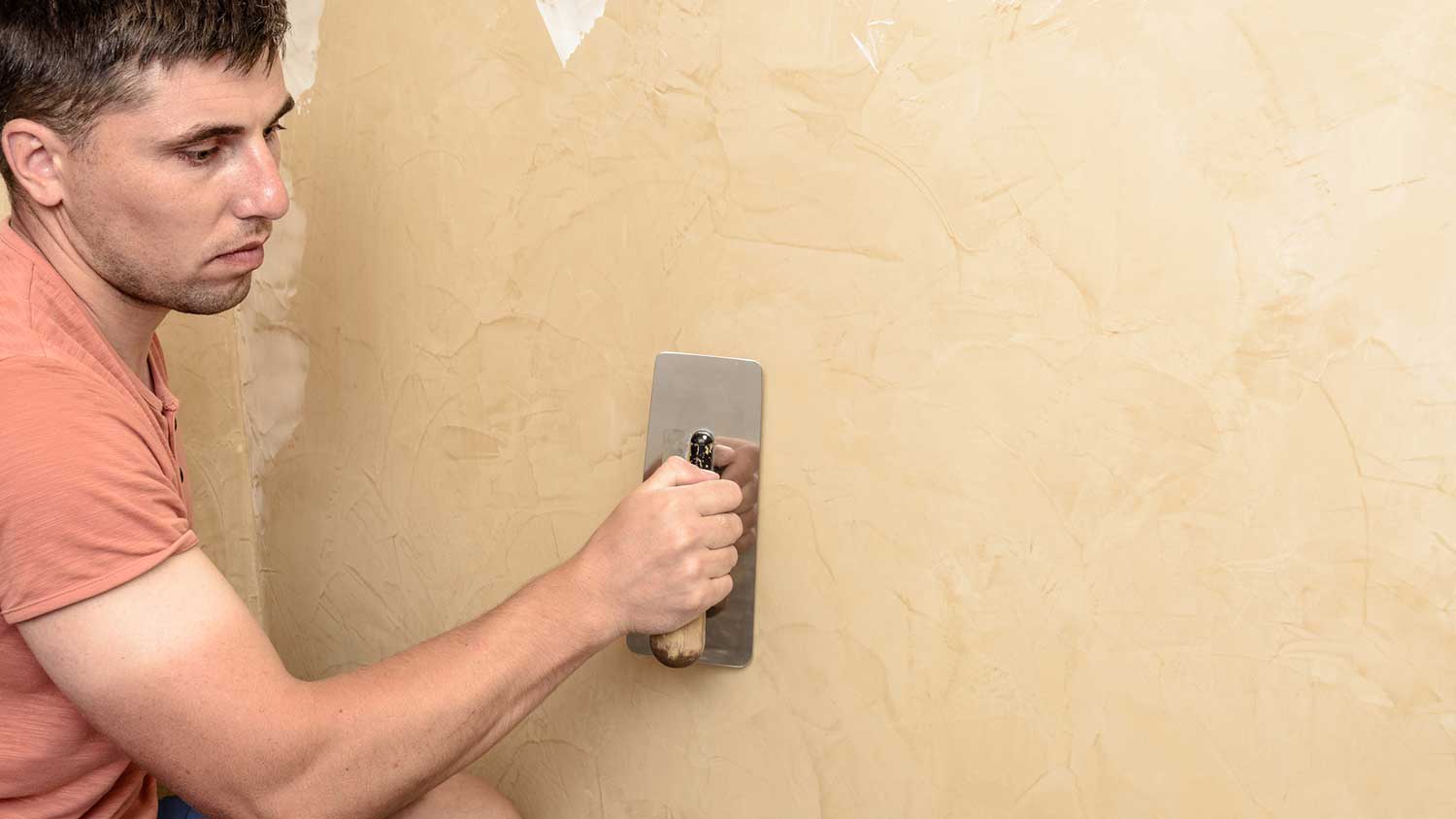
Plastering and skimming are two different techniques for finishing walls. Plastering involves applying a thick layer of a plaster mixture—typically containing gypsum, lime, cement, sand, and water—to create a new surface. This process often requires multiple coats and is used for repairing significant damage or creating decorative textures. Skimming, on the other hand, is a technique that involves applying a thin layer of drywall compound or joint compound over an existing surface to smooth it out, covering minor imperfections, small cracks, or uneven textures for a polished look. Plastering is generally more costly and labor-intensive than skimming. Although some people use the terms interchangeably, they refer to different processes and materials.
The cost to texture drywall depends on whether you want to do the work yourself or hire a professional. The cost of the drywall mud is far lower than labor costs for applying it. The labor cost to spray drywall compound onto a wall is between $0.80 and $1.50 per square foot, while you’ll pay between $1.50 and $2 per square foot for the labor to apply the texture by hand.
You can paint over drywall mud about 24 hours after application, but the exact timing depends on factors like humidity, temperature, and the thickness of the mud. For the best results, ensure the mud is completely dry to the touch and has changed from a darker gray to a lighter, chalky white. Don’t forget to sand and prime the drywall surface before you paint to create a smooth, even finish.
The best tool for skim coating drywall is a skim coating blade, which can smooth out joint compound in wide stretches. While you could use a smaller drywall knife for skim coating, the smaller size means it’ll take longer to smooth out each section. Instead, consider investing in a skim coating blade for the quickest application.
The Tampa, fl homeowners’ guide to drywall services
From average costs to expert advice, get all the answers you need to get your job done.
Drywall texture can create an attractive finish and add dimension to your home’s walls. This guide breaks down the factors that influence the cost to texture drywall.
Installing drywall is the most common way to finish your home’s interior. Use this drywall installation cost guide to see what your project is likely to cost.
Whether you want to spruce up a few dents and dings or fix a large surface area, investing in drywall repair costs can return your walls to a smooth, flush look.
Understanding the plaster vs. drywall debate is key to giving your home’s walls the perfect finish. Learn more about the pros, cons, and costs with our advice.
The terms drywall and Sheetrock are often used interchangeably, but one is a brand and one is a specific product. Find out which one you need in this guide.
Thick gaps and extra joint compound can alter the look of drywall. So, should drywall be butt up against a wall? Review this guide for seamless installation.