

•
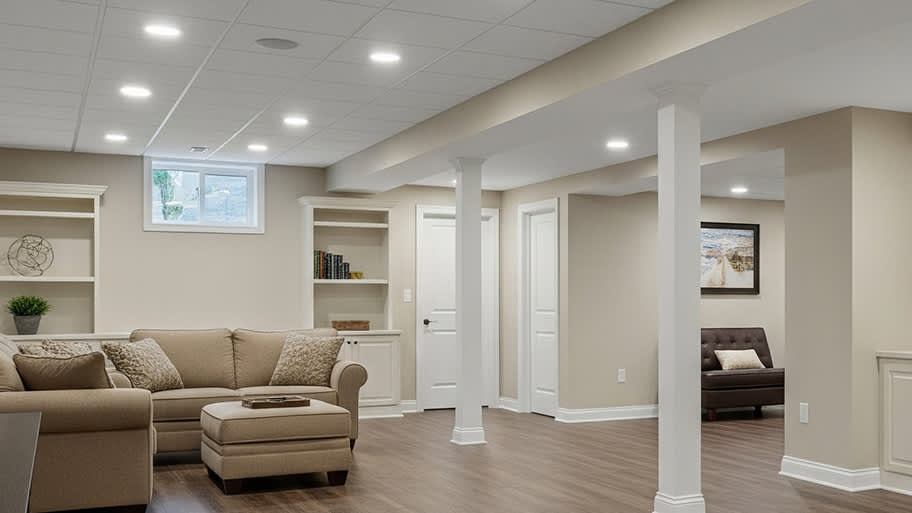
Drop ceilings are an affordable way to finish your room while maintaining access to utilities. Use this drop ceiling cost guide to estimate your project total.
Add choosing the right ceiling to the top of your to-do list

The cost difference between a drop ceiling and drywall comes down to your project needs, with drywall offering a sleeker look for modern homes.
Drop ceilings provide easy access to wiring and plumbing, making repairs and maintenance simpler when you need to reach utilities hidden above.
Your choice depends on priorities like appearance, soundproofing, and budget, with each option offering distinct advantages for different spaces and purposes.
Hiring a local ceiling repair professional provides expert guidance on installation complexity and material selection, helping you choose the right ceiling type for your home.
Customizing your home can be a lot of fun, but it also leads to some tough decisions. Choosing between a drop ceiling and a drywall ceiling is a pivotal decision in interior design, impacting aesthetics, functionality, and budget. Drop ceilings, with their suspended grid and removable tiles, offer easy access to utilities like wiring and plumbing. On the other hand, drywall provides a polished, seamless appearance. Let’s dive deeper into the nuances of drop ceilings versus drywall ceilings so you can make an informed choice for your space.
Drop ceiling and drywall ceiling represent distinct approaches to interior finishing. A drop ceiling, or suspended ceiling, consists of a metal grid system supporting removable tiles, allowing easy access to utilities like wiring and plumbing. This type of ceiling is most commonly found in commercial spaces, enhancing acoustics and offering customization options.

In contrast, a drywall ceiling involves the installation of solid panels, creating a seamless, smooth surface. Drywall is favored in homes and upscale establishments for its polished look and ability to hide imperfections. The choice between these two ceiling types essentially hinges on accessibility versus aesthetics—drop ceilings prioritize utility access and adaptability, while drywall ceilings emphasize a flawless, refined appearance.
A ceiling repair specialist can explain the differences between these two options and help you decide which one would work best in your space.
Here are the outlet types you find in most U.S. homes:
15-amp, 120-volt (2-prong and 3-prong): The standard household outlet for lamps, TVs, and chargers.
20-amp, 125-volt: A higher-power outlet for kitchens, laundry rooms, and workshops.
240-volt (20-amp to 50-amp): A large-appliance outlet for dryers, ranges, and EV chargers.
GFCI: A shock-protection outlet for kitchens, baths, and other wet areas.
AFCI: A fire-protection outlet for bedrooms and living spaces.
Tamper-resistant: A child-safe outlet with internal shutters, now standard in new homes.
Weather-resistant: A corrosion-resistant outlet built for outdoor use.
Convenience types: Switched, combination, USB, smart, and rotating outlets.

A drop ceiling is a secondary ceiling hung below the main structural ceiling. This ceiling type is a grid system that supports removable tiles or panels, which aid in acoustic enhancement.
| Pros | Cons |
|---|---|
| Effortless accessibility | Height limitation |
| Enhanced acoustic control | Dust accumulation |
| Design flexibility | Complex installation |
Best for:
Commercial spaces requiring frequent utility access, such as office buildings and retail stores
Areas where noise reduction and soundproofing are vital, like home libraries, recording studios, and theaters
Environments where aesthetic customization is desired, including upscale restaurants, hotels, and creative workspaces
Drop ceilings provide convenient access to essential building systems, enabling quick maintenance and alterations without disrupting the entire ceiling structure. They also excel in noise reduction, creating quieter environments essential for places like classrooms, offices, and conference rooms where acoustics matter. Are you a major design lover? Drop ceilings offer up a myriad of styles, textures, and colors, allowing customization to match any interior aesthetic and enhancing the overall visual appeal.
One major downside of a drop ceiling is that this style can lower the overall room height, potentially making spaces with limited vertical clearance feel more confined. The area above drop ceilings can collect dust and allergens, requiring regular cleaning to maintain air quality and prevent respiratory issues.
Setting up a drop ceiling demands meticulous installation, often necessitating professional expertise and time, which can be a drawback for those seeking a quick solution.

Drywall, also known as plasterboard or wallboard, is a widely used building material for interior walls and ceilings. It is composed of gypsum plaster pressed between two thick sheets of paper. Drywall is favored for its smooth finish, providing a polished look to interior spaces.
| Pros | Cons |
|---|---|
| Sleek aesthetic | Vulnerable to moisture |
| Fire resistance | Installation complexity |
| Insulation properties |
Best for:
Homes and apartments where a polished, modern appearance is desired
Spaces where fire safety is a priority, such as residential interiors and commercial buildings
Environments where noise insulation and energy efficiency are important considerations, such as bedrooms and living rooms
When it comes to aesthetics, drywall offers a seamless, polished surface, giving rooms a modern and sophisticated appearance. Its smooth finish is an excellent canvas for various painting and decorative techniques.
Even better than looking good, drywall ceilings have enhanced safety elements. The gypsum in drywall provides inherent fire resistance, making it a safer choice for interior walls, especially in residential buildings where fire safety is a concern. Drywall can also improve thermal insulation, helping maintain a comfortable indoor temperature and reducing energy costs.
Unfortunately, drywall is susceptible to water damage, warping, and mold growth if exposed to moisture. This limitation makes it less suitable for areas prone to leaks or high humidity. Another major downside of drywall ceilings is that achieving a flawless finish requires skillful installation. Inexperienced installations may result in visible seams, requiring additional time and effort to correct imperfections.

Still on the fence when it comes to drywall versus drop ceilings? Which ceiling type is right for your project depends on your priorities. These are some categories in which each ceiling type shines, but you can always hire a ceiling repair specialist in your area if you want an expert opinion.
Drywall ceilings provide a sleek, seamless finish, perfect for contemporary interiors. Unlike drop ceilings, they offer a polished, high-end look, making them a preferred choice for upscale residential projects.
Drop ceilings offer various tile textures and colors, allowing customization for unique aesthetics. They are adaptable to diverse designs, making them suitable for commercial spaces with specific interior themes.
Drywall ceilings are durable and resistant to wear. However, water can damage them, necessitating precautionary measures in spaces prone to leaks or high humidity. Proper installation and maintenance will enhance the ceiling’s longevity.
In terms of drop ceiling versus drywall costs, drywall costs less overall. On average, drywall installation costs between $1.50 and $3.00 per square foot, while a drop ceiling costs $2.00 to $5.00 per square foot. Prices can vary based on factors like location, complexity of installation, and materials used.
If you’ve ever looked up in a classroom or large office building, you were probably staring at a drop ceiling, and for good reason. Drop ceilings offer sound absorption in large areas, making them a good choice to create a comfortable acoustic environment.
Drywall ceilings also offer sound protection, but they’re more effective in preventing sound from entering or exiting rather than absorbing sound. If soundproofing is a concern, you can choose soundproofing drywall for even more sound control.
Drop ceilings are easier to install than drywall ceilings, making them more suitable for DIY projects. The modular nature of drop-ceiling systems allows for convenient assembly, reducing the need for professional installation. On the other hand, drywall ceilings require a skillful installer to avoid imperfections and visible seams.
Drop ceilings are also simple to repair and replace, allowing homeowners or maintenance personnel to address issues promptly. Damaged tiles or panels can be swapped out without extensive expertise, simplifying repairs.
Drywall comes out ahead on maintenance, but only by a little because it depends on the circumstances. Drywall doesn’t require major maintenance, other than cleaning and small repairs, but damaged drywall is more difficult to repair than a drop ceiling.
Drop ceilings can accumulate dust and allergens between the panels and the structural ceiling, and you should schedule regular cleanings to keep this area clean. But if a drop ceiling is damaged by water or other issues, the damaged panels can be replaced easily without requiring a large repair project.
Cancelled appointment two hours after they were supposed to come for drywall work.
 Hutch And Sons Drywall Services
Cole has been handling plumbing and general contracting for our four properties over the past three years, and he’s always done a great job. Most recently, he installed a sink and countertop in our retail store where none existed before, and it turned out exactly how we needed. He’s...
 ANB Renovations LLC
I would recommend this company to anyone! He showed up on time, was friendly, completed a very difficult repair on our dryer vent cover, was responsive, and pricing was extremely fair and competitive. I would have him back to do any of our repairs or cleanings without hesitation!
 U.S.A. Dryer Vent, LLC
I cant stop admiring my newly painted walls. Custom Paint Jobs LLC made my house feel brand new.
 Custom Paint Jobs, LLC
Excellent experience with hiring Tether House to Mount our 77’ Samsung TV in our bedroom. Fast, friendly, and knowledgeable. Highly recommend.
 Tether House
Excellent customer service and knowledge. I was recommend to him from my neighbour. My front door and window came in great and were installed beautifully perfectly, I m very satisfied with their excellent work, so decided to order one more big bow window for my living room. I cant wait for...
 Window Depot USA of Central Ohio
Would hire again. Wall looks great. Happy with job.
 Central Paving
Involved an extensive bathroom remodel, including removing tub & installing walk in shower, new drywall, custome tile work to ceiling, plumbing, etc. Overall, job was done on time and on budget. Nick & his team were very professional and had high attention to detail. Quality was great. Highly...
 Stamos Flooring and Remodeling LLC
We have had a great experience with Rising Height for the past five years on a number of miscellaneous renovation projects. They laid flooring for us and had a very good sub do the finish. Installed drywall for a vaulted ceiling, finished an attic/loft with new subfloor, framing and drywall,...
 Rising Height Unlimited
Mr. Lopez was super nice and professional. He repaired our drywall just as he described during the estimate phase. Our dining room wall looks great again! Thanks Mr. Lopez!
From average costs to expert advice, get all the answers you need to get your job done.
Drop ceilings are an affordable way to finish your room while maintaining access to utilities. Use this drop ceiling cost guide to estimate your project total.

A ceiling repair averages about $1,000, but multiple factors affect this number. Learn more about creating an accurate ceiling repair cost estimate with our tips.

Drop ceilings are secondary ceilings of grids or suspended drywall. Learn more about how this ceiling type is used in residential and commercial buildings.
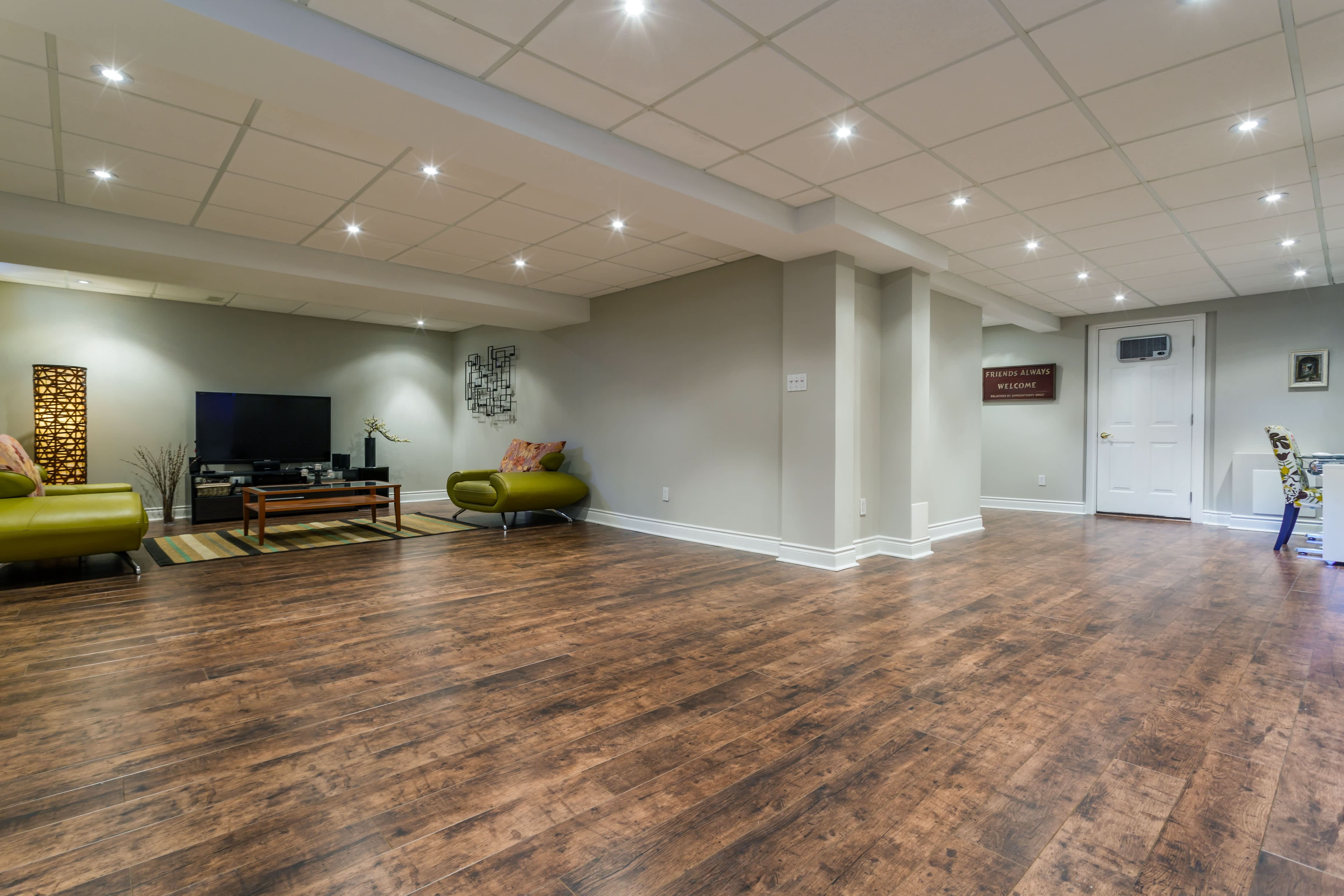
A drop ceiling is an easy way to cover unsightly drywall stains or exposed ductwork and plumbing. You can tackle this project with our how to do a drop ceiling step-by-step guide.
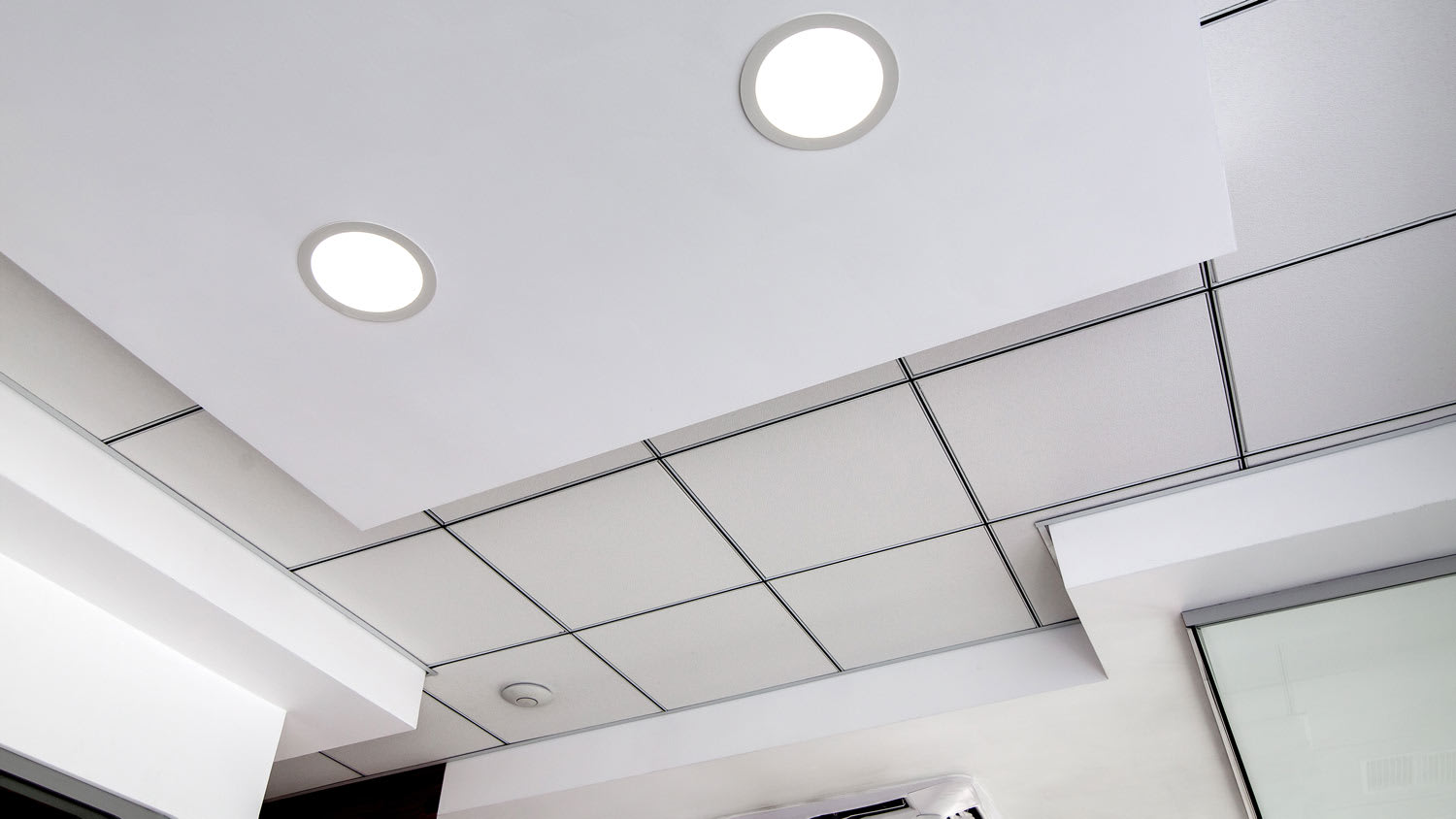
Learn how to figure drop ceiling grid and tile material for any room in your home using this calculator to minimize waste and maximize attractiveness.

Drop ceiling lighting may seem retro, but it’s actually far from it. Find out more and discover the best types of lighting for drop ceilings.