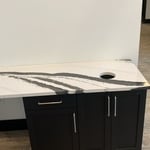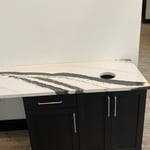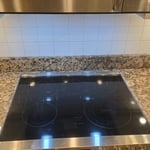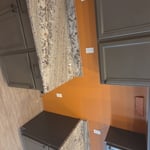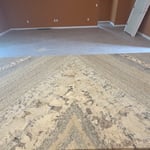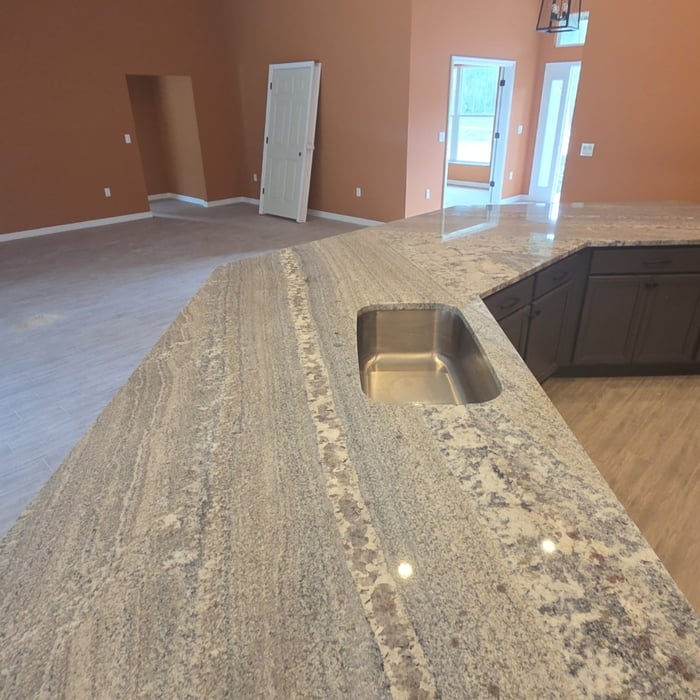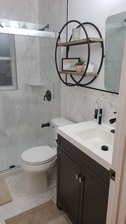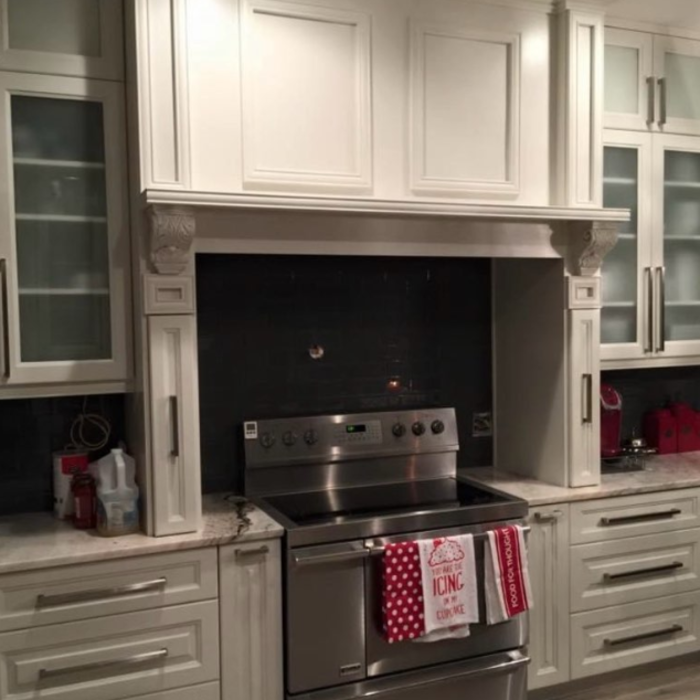

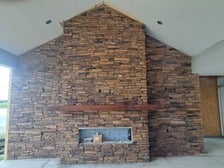







"Exelente job! We are so pleased with the professionalism, ! It looks amazing! I will show all my before and after photos to my boss and our Clients. Thanks so much! I definitely, will call them again."
"Great experience. Had a small imperfection in a couple pieces of the stone and the installer said he wasnâ t attaching his name to it. Took it back and recut it. They even had it reinstalled first thing the next morning. Will use them again for our bathroom remodel."
"I am so pleased with the completed bathroom remodel. The company was so easy to work with & knowledgeable. The job came out amazing. I’m presently using them for work in my other home. They are replacing ceiling in my lanai & bathroom upgrades."
Countertops and Backsplashes questions, answered by experts
Butcher block countertops typically last around 20 years, and sometimes longer, with proper maintenance. This lifespan is comparable to granite and longer than laminate. Key maintenance tasks include regular cleaning after every use and resealing, ideally once a month. You can also sand and resurface the countertops to remove imperfections like deep scratches, stains, dings, and scorch marks. The longevity is also affected by the thickness of the wood strips used in its construction; thicker strips are generally more durable.
Costs depend on material quality, labor rates, and additional features like integrated backsplashes.
The frequency for sealing granite countertops depends on several factors, including the type of sealant used, the color of the granite, and how heavily the countertops are used. As a general guideline, resealing is often recommended every 12 to 18 months, but some sources suggest it could be as often as every few months or at least once a year.
The type of sealant is a major factor: water-based sealants may need reapplication every six months to a year, while more durable solvent-based sealants can last for five to 10 years. Additionally, factors like heavy kitchen traffic, frequent use of acidic cleaners, and lighter granite colors may require more frequent sealing to prevent staining.
To determine if your countertops need resealing, you can perform a simple water test. Place a few drops of water or a wet paper towel on an inconspicuous area of the granite. After 10 to 15 minutes, check the spot. If the water has beaded up, the seal is still intact. If the water has been absorbed and darkened the stone, it's time to apply a new coat of sealant. You can choose to seal the granite yourself or hire a professional to ensure it's done correctly.
You can put hot pans on porcelain countertops. Porcelain is highly resistant to heat—it’s manufactured at around 2,500 degrees Fahrenheit, so it can withstand a ton of heat without cracking or damaging. Even though the high heat is a plus, you should still be cautious when putting hot surfaces on porcelain countertops.
You most likely purchased a quartz countertop because it won't stain or etch like marble. However, etching can still happen depending on the quality of the quartz and whether it is repeatedly cleaned with harsh chemicals or exposed to acidic spills. Remember, while quartz is more resistant than natural stone, just like Superman when faced with Kryptonite, it is not indestructible.
The Maricamp, FL homeowners’ guide to countertop and backsplash services
From average costs to expert advice, get all the answers you need to get your job done.
Are you getting close to deciding on Caesarstone® countertops for your home? Discover all the details behind Caesarstone® countertop costs in this guide.
The cost of porcelain countertops is affected by many factors, primarily the material's type (tile or slab) and finish, as well as your counter’s size and shape.
From protecting your walls from cooking spatter to solidifying your aesthetic, these backsplash ideas will elevate the form and function of your kitchen.