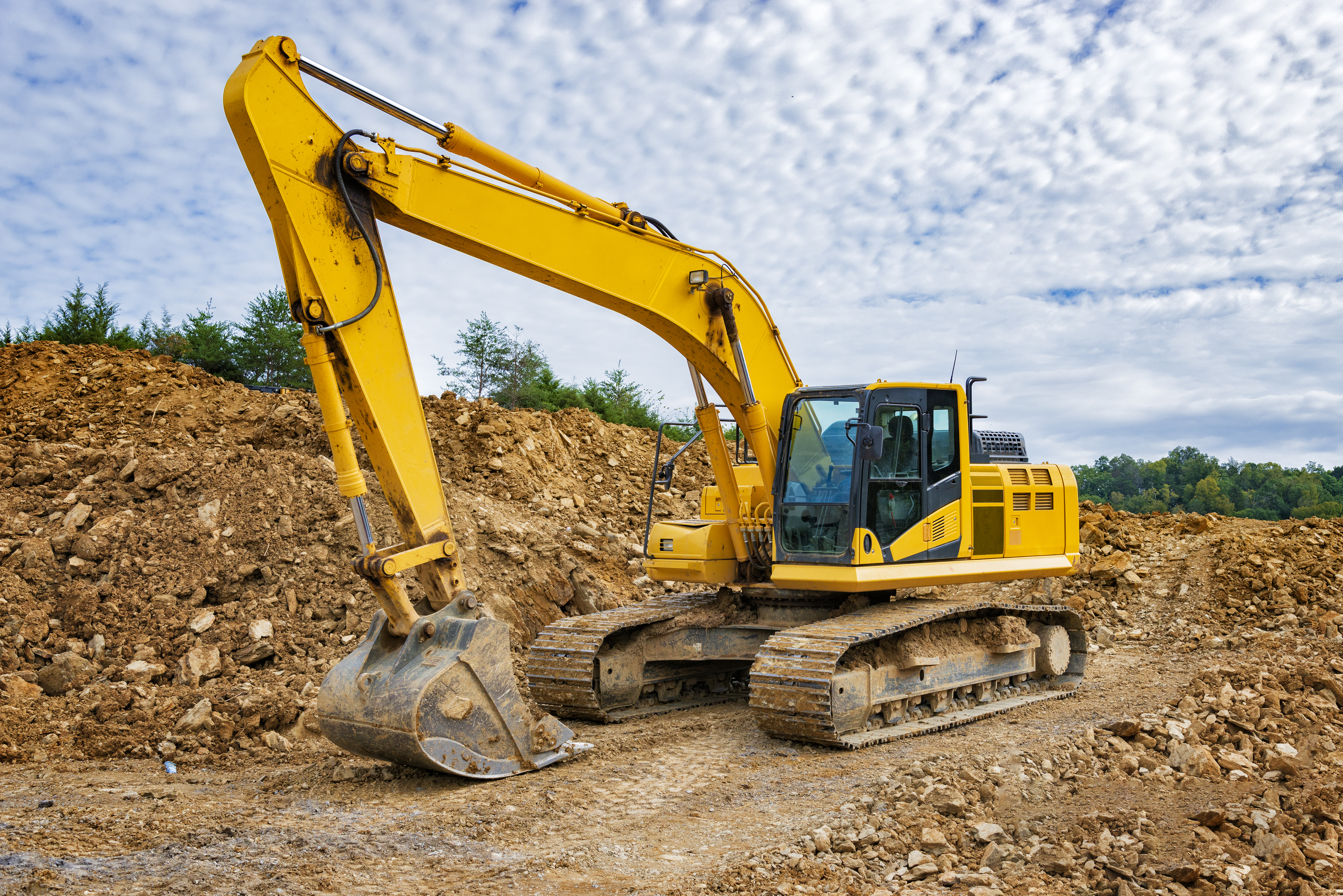








Top-rated excavation pros.

Best excavation pros near Lake Placid, FL

Enter your zip and get matched with up to 5 pros

Need a pro for your excavation project in Lake Placid, FL?

Select your specific project to find the pro for you.

TRUSTED BY LAKE PLACID, FL HOMEOWNERS

  • Average homeowner rating star icon4.9
    Average homeowner rating
  • Verified reviews icon13
    Verified excavation services reviews

Top-Rated Excavation pros in Lake Placid - Updated Nov 2026

Avatar for OBBK Lawn Maintenance
OBBK Lawn Maintenance
5.0(
8
)
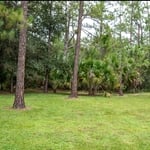
Landscape - Minor Grading or Resloping

Serving Lake Placid, FL and surrounding areas

Approved

In business since 2023

Free estimates

Credit card accepted

"He has been my lawn pro for over a year now. His service also does our mulch for our landscaping, and maintains the ornamental hedges and plants. Highly recommend his service."
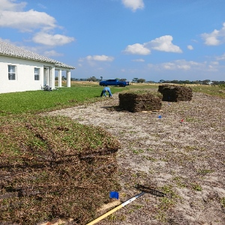
Sod Laying
Sod Laying
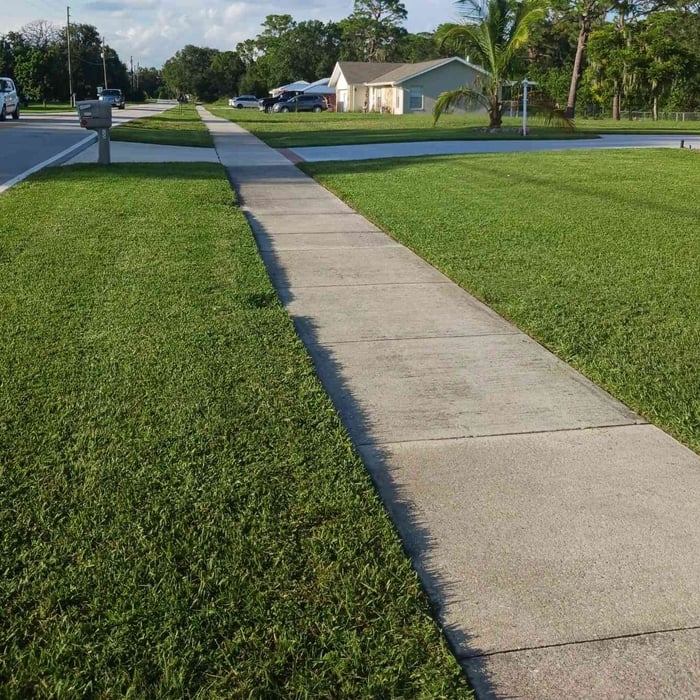
Lawn Maintenance
Lawn Maintenance
 Additional Photos

+19

14 neighbors recently requested a quote
Recommended by75%of homeowners
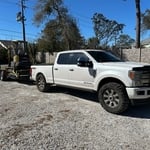
Avatar for J&D Lawn Solutions
J&D Lawn Solutions
5.0(
1
)
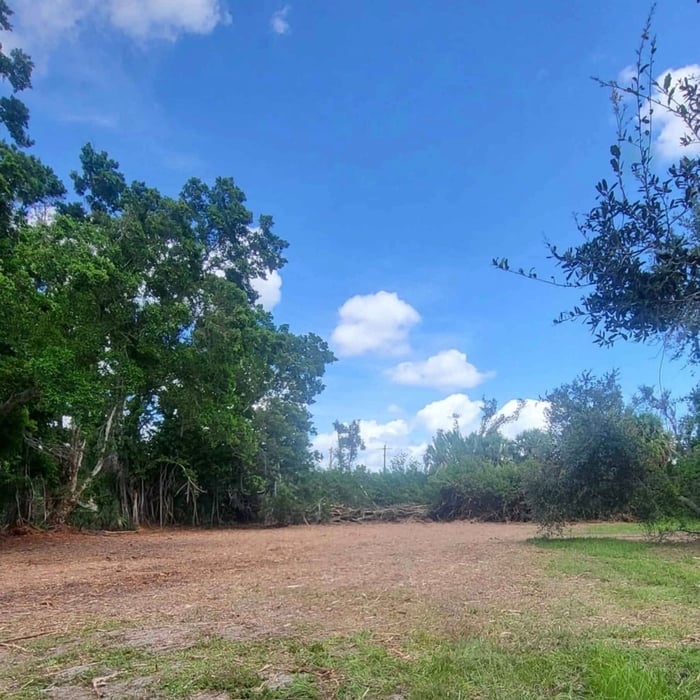
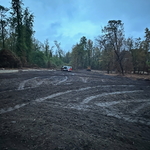
Building Site - Preparation and Clearing

Serving Lake Placid, FL and surrounding areas

Approved

In business since 2025

Free estimates

Credit card accepted

We pride our company on reliability, great communication, integrity, and quality work. We are experts in our trade and will do our best to keep you as educated as we can on your particular task or project. We look forward to earning your business!

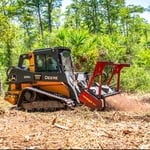
Land clearing
45 neighbors recently requested a quote
Rosado Lawn & Land Clearing LLC
New to Angi
Building Site - Preparation and ClearingBuilding Site - Preparation and Clearing - For BusinessExcavation - Major Grading or Resloping+1 more

Serving Lake Placid, FL and surrounding areas

Approved

Free estimates

Credit card accepted

Hi, my name is Jonathan Rosado and I own Rosado Lawn & Land Clearing LLC we take pride in what we do whether it’s mowing your grass trimming all of your bushes and trees, palms or clearing your property so that you can build your forever home Grading, Sod Install, we take pride in what we do and we would like the chance to work with you in the near future.

...
Showing 1-10 of 110
Excavating FAQs, answered by experts

Preparation involves site assessment, clearing debris, grading surfaces, and compacting soil to support stable construction.

Trenches are typically 12 to 24 inches deep and 8 inches wide. However, the required depth depends on the specific project and local ordinances. For example, a French drain may need to be 18 inches deep, while a water pipe might require a depth of 24 inches and a drainage pipe 36 inches. Your city or county may have specific regulations, so it's wise to consult with an excavation professional to determine the correct depth for your project.

Professional installers often include a deep layer of crushed gravel under permeable pavers to allow more runoff to soak through into the soil below. Many installations will include multiple layers of gravel, with coarser aggregate at the base and finer aggregate that sits on top of that bottom layer. Above the gravel, you’ll often find coarse sand that helps reduce paver shifting over time. Some permeable paver designs include a water collection system set into the gravel layer to route runoff to a safe area for disposal.

The digging depth will depend on the size of the trencher you use. Even smaller units can dig up to 4 feet deep, which is plenty for a DIY job. However, much larger trenchers can reach a depth of 18 feet and are better used by a team of pro contractors, not a single DIYer. As with all home improvement projects, use the right tool for the job and proceed with caution.

There are several methods to hollow out a tree stump, and the best one depends on your tools, experience, and priorities. Common methods include using a chisel and hammer, a chainsaw, or burning.

  • Chisel and Hammer: This is often considered the easiest approach for those with limited tools or experience, though it is the most time-consuming.

  • Chainsaw: Using a chainsaw is the fastest method, but it comes with significant safety risks, especially for inexperienced users.

  • Burning: This can be an effective method, but it is not recommended unless you can first drill holes into the stump. Without holes, the stump will be difficult to light and may not burn completely through.

A power drill with at least a ⅜-inch diameter bit can make the job quicker and easier, regardless of the primary method. While you can use a chisel or chainsaw without a drill, it will require more time and effort. Always wear protective goggles and thick gloves, as splinters are an inevitable risk.

The Lake Placid, FL homeowners’ guide to excavation services

From average costs to expert advice, get all the answers you need to get your job done.