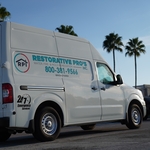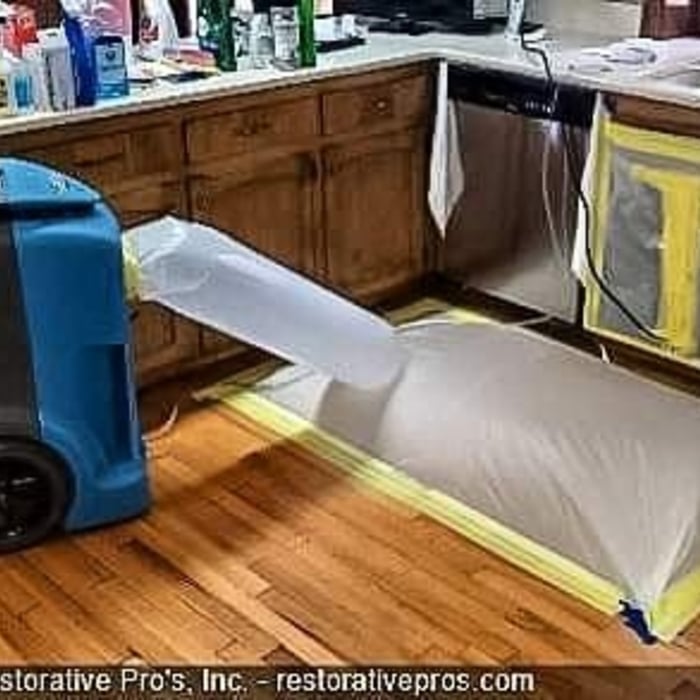






Top-rated radon detection and reduction specialists.

Get matched with top radon detection and reduction specialists in Holly Hill, FL

Enter your zip and get matched with up to 5 pros

Need a pro for your radon detection and reduction project in Holly Hill, FL?

Select your specific project to find the pro for you.

Find Radon detection and reduction specialists in Holly Hill

Avatar for Restorative Pros
Restorative Pros
4.6(
10
)
Radon Gas - AbatementRadon Gas - Testing

Serving Holly Hill, FL and surrounding areas

In business since 2011

Free estimates

Emergency services offered

"Amazing! spoke to owner first and described my problem, he sent a tech right away who performed treatment with photos and set up a three day air filter. Work was followed up by a supervisor who tested whole house for any further signs of damp or spores, found none but did extra treatment for good measure and made excellent recommendations for future prevention. Invoice and documentation is easy all online and they accept credit cards. I'd use them again in a heartbeat..professional, courteous, knowledgeable, punctual and highly recommended !"
Additional Photos
Additional Photos
Additional Photos
Additional Photos
Additional Photos

+21

Recommended by90%of homeowners
Radon Detection and Reduction questions, answered by experts

The cost to replace a radon fan ranges from $300 to $600 for the fan itself, with installation adding an additional $200 to $500. Overall, the total cost for replacement can range from $500 to $1,100, depending on factors such as the fan model, home size, and local labor rates. If the fan is part of a larger radon mitigation system, the price may be higher.

Long-term exposure increases lung cancer risks. Prolonged homestay individuals and smokers encounter heightened vulnerability and exposure concerns.

Your radon mitigation system may be loud because it’s time to replace it. Any sounds are usually from the inline fan that helps create the vacuum and resulting airflow. If you hear a new, loud mechanical or humming noise from your radon fan, it might be time to replace it. Most fans used in radon mitigation systems last up to 10 years, but may need to be replaced sooner.

Radon is a cancer-causing radioactive gas that poses serious health risks, infiltrating homes through foundation cracks and unnoticed spaces.

Your radon fan needs to operate 24/7 to be effective. The only time the fan isn't operating is during its replacement. Radon levels in the home can increase within hours if the fan stops working or something obstructs the stack vent. Fortunately, radon systems require no downtime maintenance between fan changes.

The Holly Hill, FL homeowners’ guide to radon detection and reduction services

From average costs to expert advice, get all the answers you need to get your job done.