
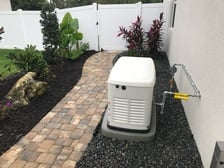





Top-rated generator install pros.

Best generator install pros near Gibsonton, FL

Enter your zip and get matched with up to 5 pros

Need a pro for your generator install project in Gibsonton, FL?

Select your specific project to find the pro for you.

Top-Rated Generator install pros in Gibsonton - Updated Nov 2026

Avatar for Veteran Air - Electrical & Generators
Veteran Air - Electrical & Generators
4.8(
93
)
Fixed Generator - InstallFixed Generator - RepairPortable Generator - Install

Serving Gibsonton, FL and surrounding areas

Approved (Corporate)

In business since 2012

Free estimates

Emergency services offered

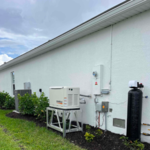
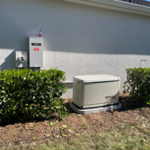
Veteran Air - Electrical & Generators is a licensed electrical and generator service contractor serving Hillsborough, Pasco, and Pinellas Counties. Our certified technicians specialize in electrical repairs, panel repairs and replacements, EV chargers, outlets, new panels, electrical upgrades, and general electrical issues. As a comprehensive electrical provider, we also do service, maintenance, and install of stand-by whole home generators, transfer switches, and all stand-by generator issues. For 24/7 emergency electrical service, generators, and routine electrical maintenance, trust Veteran Air. Expert technical care for your property.
Electrical
Electrical
Electrical
Electrical
Electrical

+3
4 neighbors recently requested a quote
Recommended by89%of homeowners
Avatar for D&L Electrical Solutions LLC
D&L Electrical Solutions LLC
5.0(
5
)
Portable Generator - Install

Serving Gibsonton, FL and surrounding areas

Approved

Free estimates

Warranties offered

Small jobs welcome

D&L Electrical Solutions LLC is a Florida Certified Electrical Contractor serving residential and light commercial customers throughout the Tampa Bay area. We provide professional electrical installations, repairs, service upgrades, temporary power, troubleshooting, lighting, panels, outlets, and other electrical work.\n\nWe focus on clear communication, dependable scheduling, quality workmanship, and code-compliant installations. Every project is handled with attention to safety and detail.\n\nFlorida Certified Electrical Contractor\nLicense EC13016274\nCall 727-427-1397 for an estimate.

Exterior Load center
Interior piping
Interior Piping
Meter can
Overhead Service

+8

1 neighbors recently requested a quote
Avatar for Florida Standby Power Systems
Florida Standby Power Systems
5.0(
2
)
Generator - Repair - For Business

Serving Gibsonton, FL and surrounding areas

Approved

In business since 2024

Free estimates

Emergency services offered

"Florida Standby Power Systems is A great company to work with. They are professional and have very high standards. The work they do is done correctly, on time, and professionally. I would recommend them for anyone who has industrial generators that need to be serviced or repaired."
Radiator install
Damaged transfer
Repaired switch
Maintenance
Response time6 hrs
Response rate100%
2 neighbors recently requested a quote
...
Showing 1-10 of 142
Generator Install FAQs, answered by experts

Yes, in some locations, it is required by the National Electric Code (NEC) to have a transfer switch installed for electrical emergencies. In addition to following electrical code, generator transfer switches ensure your home is fully protected during a power outage. By switching the power from the main breaker to the generator breaker, you can seamlessly operate your HVAC, lights, appliances, devices, and more during an emergency. 

To determine the right size generator for your house, you should calculate the total wattage of the appliances and devices you want to power during an outage. List all essential items, note their start-up wattages, and add them together.

Here are some typical wattage requirements for common appliances:

  • Refrigerator: 600 watts

  • Large dehumidifier: 700 watts

  • Large window air conditioner: 1,400 watts

  • Water heater: 3,000 to 4,500 watts

  • Electric furnace: 5,000 to 25,000 watts

A 7,500-watt generator might be sufficient for essentials like a refrigerator, freezer, well pump, and lighting circuits. However, for high-demand items like a water heater or furnace, a whole-home generator is a better choice. A portable generator may be enough if you only need to power a few critical items.

While home square footage can offer a rough estimate, it is not always a reliable indicator. For reference, here are some typical generator sizes based on square footage:

  • 1,000 sq ft: 6–9 kW

  • 1,500 sq ft: 7–10 kW

  • 2,000 sq ft: 10–14 kW

  • 2,500 sq ft: 12–16 kW

  • 3,000 sq ft: 16–20 kW+

For the most accurate sizing, consult a professional who can calculate your home's peak and average power consumption and recommend the optimal generator.

In most cases, there are no tax credits available for home generators. However, that’s a general statement that applies to federal tax credits, so you might have access to state or local tax incentives. You can check the Database of State Incentives for Renewables & Efficiency (DSIRE) for more information about your area. If you hire a reliable home generator installer, they should also know if there are any state or local perks you can use to reduce your installation costs, including tax breaks and rebates.

In many cases, yes. There are models called dual-fuel generators and fuel switches, but only between certain types of fuel. For example, with the right setup you can convert a generator from natural gas to propane. Some allow switching between diesel and gasoline. There are even tri-fuel generators available in some cases, which adds a large layer of security if you are worried about fuel availability in times of crisis. Always check your generator capabilities and manual instructions before trying to switch fuels. Some generators can use another fuel but may need a fuel conversion kit to prep them first.

No, you should never plug a generator directly into a wall outlet in your house. This practice is extremely dangerous, often illegal, and can cause "back-feeding," where power from the generator flows back into utility lines, creating a life-threatening hazard for utility workers. It can also damage your home's electrical system, including appliances like pumps and HVAC fans. If the main power is restored while the generator is connected, it can destroy the generator and cause an electrical fire. To safely connect a generator, you must use a professionally installed transfer switch or an interlocking kit, which prevents back-feeding by disconnecting your home from the utility grid before the generator provides power.

The Gibsonton, FL homeowners’ guide to generator installs

From average costs to expert advice, get all the answers you need to get your job done.