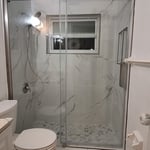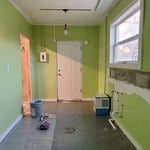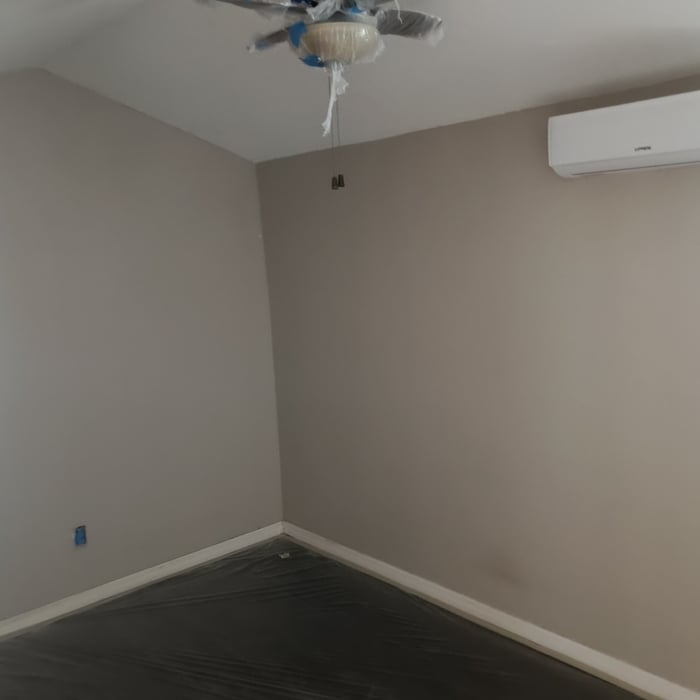






Top-rated caulking service pros.

Get matched with top caulking service pros in Geneva, FL

Enter your zip and get matched with up to 5 pros

Need a pro for your caulking service project in Geneva, FL?

Select your specific project to find the pro for you.

TRUSTED BY GENEVA, FL HOMEOWNERS

  • Average homeowner rating star icon4.4
    Average homeowner rating
  • Verified reviews icon1k+
    Verified caulking services reviews

Find Caulking service pros in Geneva

...
Showing 1-10 of 372
Caulking Services questions, answered by experts

In most states, handypeople do not need to be licensed to perform simple home repair tasks and smaller jobs. When projects exceed specific cost amounts, however, ranging from $500 in California to $50,000 in other states, some municipalities consider them to be contractors, meaning they need to be licensed. To learn if your handyperson should be licensed to work on your job, contact your local governing body or state contractors’ licensing board before starting any work.

To install or move washer and dryer hookups, you will likely need a combination of professionals. A plumber can handle the water supply lines and drain pipes. If you have a gas dryer, a plumber certified for gas lines or an HVAC specialist will be needed to run the gas line. An electrician is required to install the correct electrical outlets. For simpler jobs, a local handyperson may suffice, while a contractor might be needed for tasks like drywall repair for the new vents.

A contractor specializes in a specific field. They often operate in teams where they have subcontractors to handle specialized problems. So if you have significant plumbing, drywall, or roofing issues, you’ll want to hire a contractor, as the job may require a team.

A handyperson is typically one person who works on whatever jobs come their way. You wouldn’t call a contractor to fix the hinges on cabinets or paint your room. Instead, a handyperson can handle all these issues, saving you from making multiple phone calls.

Yes, many repair services include blade sharpening as part of the maintenance package.

After cutting Corian® to the right size, you may have to attach it to another piece of Corian®, either at a corner or another seam. One way to create the tightest seam is to place the two pieces of Corian® on a level surface at ⅜-inch apart. Run a router in between the two slabs to create an identical edge on both pieces. Then use the proper DuPont Joint Adhesive for your type of seam and countertop to join the Corian® together.

The Geneva, FL homeowners’ guide to caulking services

From average costs to expert advice, get all the answers you need to get your job done.