





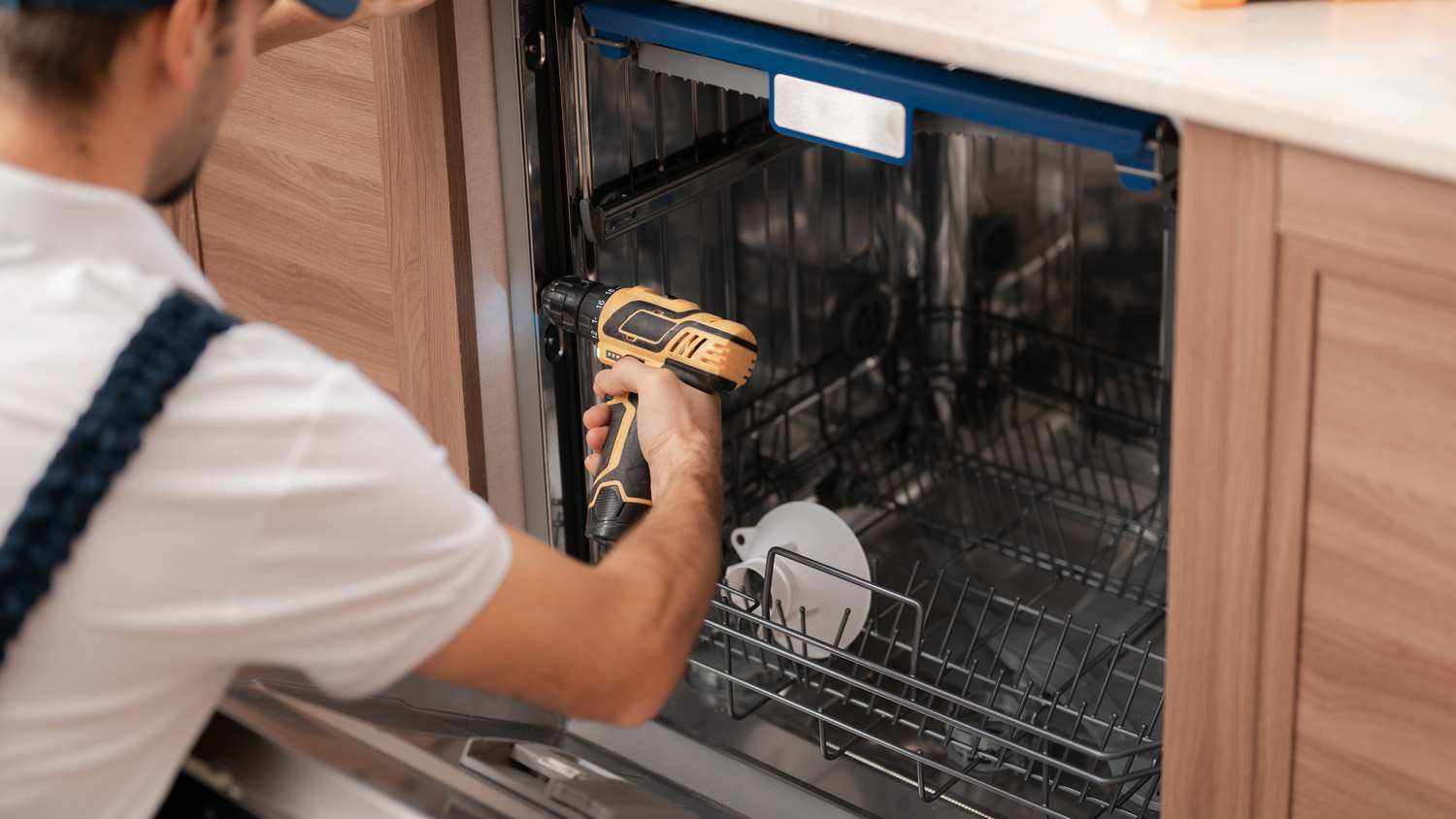
Top-rated dishwasher installation pros.

Best dishwasher installation pros near Fruit Cove, FL

Enter your zip and get matched with up to 5 pros

Need a pro for your dishwasher installation project in Fruit Cove, FL?

Select your specific project to find the pro for you.

TRUSTED BY FRUIT COVE, FL HOMEOWNERS

  • Average homeowner rating star icon4.4
    Average homeowner rating
  • Verified reviews icon984
    Verified dishwasher installation services reviews

Top-Rated Dishwasher installation pros in Fruit Cove - Updated Nov 2026

No results for Dishwasher installation pro in

Try adjusting your search criteria.
Dishwasher Installation FAQs, answered by experts

Several signs can tip you off to a clogged dishwasher drain. At first, you may notice that it’s taking longer than usual for the dishwasher to drain, or you may hear gurgling sounds during the draining part of the cycle. You might also notice water backing up into your sink or excess food at the bottom of the dishwasher after a load. The most obvious sign, though, is seeing standing water at the bottom of your dishwasher after the cycle has finished.

Basic maintenance, such as cleaning filters, is DIY-friendly, but repairs involving electrical components, pumps, or valves should be handled by a professional.

No, you do not need a garbage disposal to have a dishwasher. A dishwasher will work without one, and while it's rare to see a home with a dishwasher that doesn't have a disposal, it is possible. The two appliances pair well and are often installed together because a disposal simplifies meal cleanup.

However, your dishwasher should not be used as a replacement for a garbage disposal. Subjecting it to continuous food leftovers can lead to major clogs. If you choose not to install a garbage disposal, you should thoroughly rinse your plates or scrape excess food into the trash or a compost pile before loading them into the dishwasher to prevent plumbing issues.

You should avoid using a pressure washer on any surface or item that could be damaged by the high-pressure spray, as some materials are too delicate to withstand the force.

Key items and surfaces to avoid include:

  • Electrical Components: Never pressure wash electrical systems, as water can cause short-circuits and create a safety hazard. This includes utility meters, breaker boxes, electrical outlets, generators, and HVAC or air conditioner units.

  • Delicate and Fragile Materials: Fragile items can crack, shatter, or be stripped by the pressure. Avoid pressure washing windows, glass, light fixtures, shingled roofs (especially asphalt), and stucco.

  • Painted, Stained, or Sealed Surfaces: Unless your goal is to strip the finish, do not pressure wash painted surfaces, stained wood (like decks), or anything with a protective seal that could be stripped away. Be especially cautious with older surfaces that may contain lead paint.

  • Soft Woods and Certain Decking: Delicate surfaces like softwood, composite decking, and antique or wooden patio furniture can be etched or damaged. If you must wash wood, use a lower-powered pressure washer with a wide-angle nozzle to prevent damage.

  • Living Things: Never use a pressure washer on people, pets, or plants. The force can cause serious injury and will destroy landscaping.

There are some dishwasher care tips to extend its longevity and keep your dishes sparkling. Not overloading your dishwasher is key to letting water and soap move freely through the unit. Too much soap can stress your dishwasher unnecessarily, causing it to break down sooner. 

Cleaning your dishwasher is essential for its performance, so every three to six months, put two cups of white vinegar in a dishwasher-safe cup on the top rack and run a complete cycle. When done, place ¼ cup of baking soda inside and run a short cycle to eliminate any lingering odors.

The Fruit Cove, FL homeowners’ guide to dishwasher installation services

From average costs to expert advice, get all the answers you need to get your job done.