



Top-rated drywall insulation pros.

Get matched with top drywall insulation pros in Delray Beach, FL

Enter your zip and get matched with up to 5 pros

Need a pro for your drywall insulation project in Delray Beach, FL?

Select your specific project to find the pro for you.

TRUSTED BY DELRAY BEACH, FL HOMEOWNERS

  • Average homeowner rating star icon4.7
    Average homeowner rating
  • Verified reviews icon453
    Verified drywall insulation services reviews

Find Drywall insulation pros in Delray Beach

Avatar for Ifoam Insulation of Delray Beach
Ifoam Insulation of Delray Beach
5.0(
4
)
Blown-In Insulation - Install or Upgrade

Serving Delray Beach, FL and surrounding areas

Approved

In business since 2010

Free estimates

Warranties offered

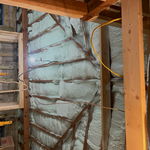
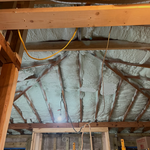
Proper insulation is crucial in a tropical climate like Delray Beach, where high temperatures and humidity levels can lead to discomfort and increased energy bills. Adequate insulation helps maintain a consistent indoor temperature, reduces the strain on your HVAC system, and prevents moisture buildup that could lead to mold or mildew.\n\nAt iFOAM Insulation of Delray Beach, our spray foam insulation services are designed to meet the demands of this climate, providing superior thermal resistance, air sealing, and long-lasting protection for your home or business.

70 neighbors recently requested a quote

...
Showing 1-10 of 105
Drywall Insulation questions, answered by experts

Beadboard is a decorative element and lacks the structural integrity of drywall. It cannot hold much weight and is not meant to be used as an insulator or moisture barrier, like drywall is. In almost all cases, beadboard is placed over an existing wall surface which, in modern days, is usually drywall, but decades ago could have been wood paneling.

Drywall can be toxic to the environment and to humans in some cases. As drywall breaks down in a landfill and comes in contact with other organic chemicals, it can create hydrogen sulfide gas or leach into the groundwater. Additionally, the CDC recommends methods for controlling the inhalation of drywall dust when handled. While the common ingredients of drywall—gypsum, silica, and mica—are naturally occurring, they can cause irritation in some humans.

Yes, small, superficial cracks are normal as homes settle. Older homes have a higher chance of showing signs of settling through hairline cracks from temperature changes, moisture changes, and soil shifting. However, larger cracks, or discolored cracks from water damage, may signify a bigger problem that requires reparations and preventative measures.

When choosing materials for finishing basement walls, consider factors such as moisture resistance, durability, and fire resistance. Opt for materials specifically designed for basement environments, like moisture-resistant drywall or cement board. Insulation with vapor barriers can help regulate temperature and prevent condensation. Consider using mold-resistant paints or coatings. 

Research and consult with experts to select materials that are suitable for your specific basement conditions and intended use. Prioritize quality and compatibility to achieve long-lasting and aesthetically pleasing results.

The two most common drywall thicknesses for ceilings are 1/2-inch and 5/8-inch. For most standard residential applications, 1/2-inch drywall is sufficient and widely used. It provides adequate support and is lighter and easier to handle during installation compared to thicker sheets. However, 5/8-inch drywall is often used for specific cases where additional benefits are needed. It is heavier but provides superior sound dampening and fire resistance. You should consider using 5/8-inch drywall for ceilings in commercial buildings, between a garage and a living space, or above a finished basement to meet building codes or for enhanced soundproofing.

The Delray Beach, FL homeowners’ guide to drywall insulation services

From average costs to expert advice, get all the answers you need to get your job done.