


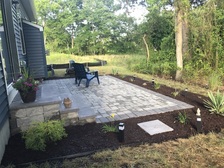

Top-rated structural engineers.

Get matched with top structural engineers in Ocean View, DE

Enter your zip and get matched with up to 5 pros

Need a pro for your structural engineering project in Ocean View, DE?

Select your specific project to find the pro for you.

TRUSTED BY OCEAN VIEW, DE HOMEOWNERS

  • Average homeowner rating star icon4.8
    Average homeowner rating
  • Verified reviews icon13
    Verified structural engineering services reviews

Find Structural engineers in Ocean View

Avatar for William Siegel
William Siegel
5.0(
2
)

Serving Ocean View, DE and surrounding areas

Approved

Free estimates

Small jobs welcome

Offers commercial services

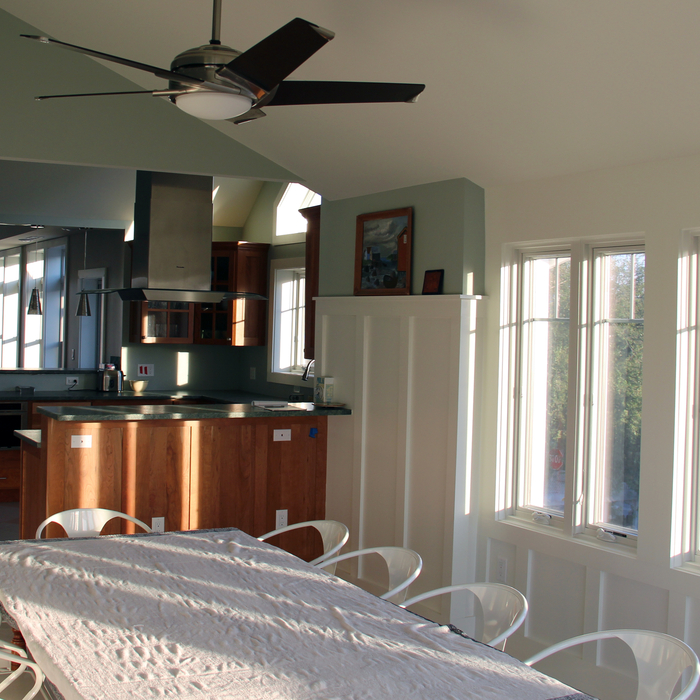
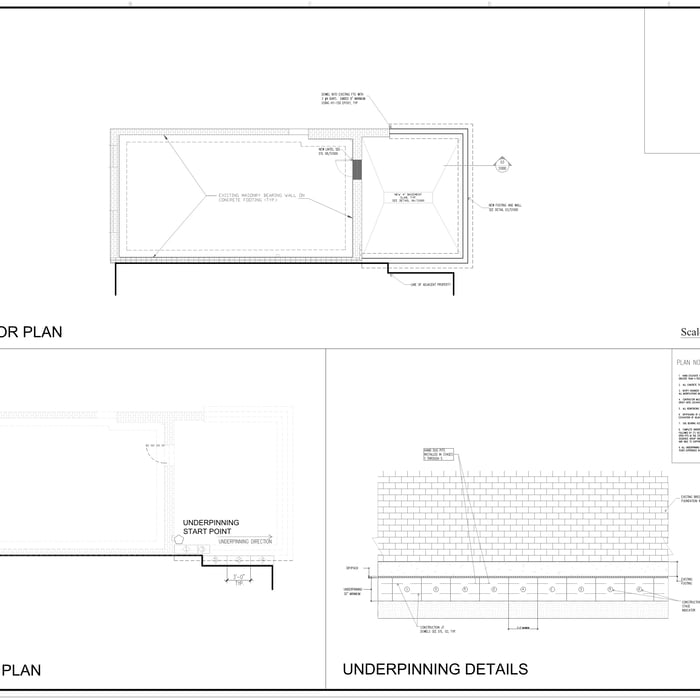
I am a licensed Professional Engineer providing structural engineering services for residential and small commercial projects. I work with homeowners, contractors, and design professionals to help move projects through the permit process by providing structural calculations, drawings, evaluations, and engineering letters as needed.\n\nIn-person structural inspections are available in Maryland, DC, and Northern Virginia. Remote structural consulting is available in Delaware and North Carolina.\n\nTypical projects include load-bearing wall removal, beam and header sizing, additions, decks, foundation concerns, and framing evaluations. My goal is to provide practical, code-compliant structural solutions that are clear, efficient, and tailored to the project.

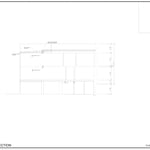
Load Path Section
Framing Plan
Framing Plan
Details
Foundation Plan

+3

24 neighbors recently requested a quote
Structural Engineering questions, answered by experts

Yes. Foundation walls are always load-bearing.

A split-level home is one that has several staggered floors connected by short staircases, while a split floor plan separates the primary bedroom from the rest of the bedrooms. Split floor plans are most often found in single-story homes, while split-level homes are always at least two stories.

A 4-inch-thick concrete slab can support around 4,000 pounds per square foot if a contractor reinforces the slab with rebar, while that same slab without reinforcements will support closer to 1,000 pounds. For the purposes of a patio, 4 inches in thickness without reinforcement should suffice unless you’re installing heavy kitchen equipment or a hot tub on it. In those cases, reinforcing your slab and sticking with 4 inches of thickness should provide plenty of strength.

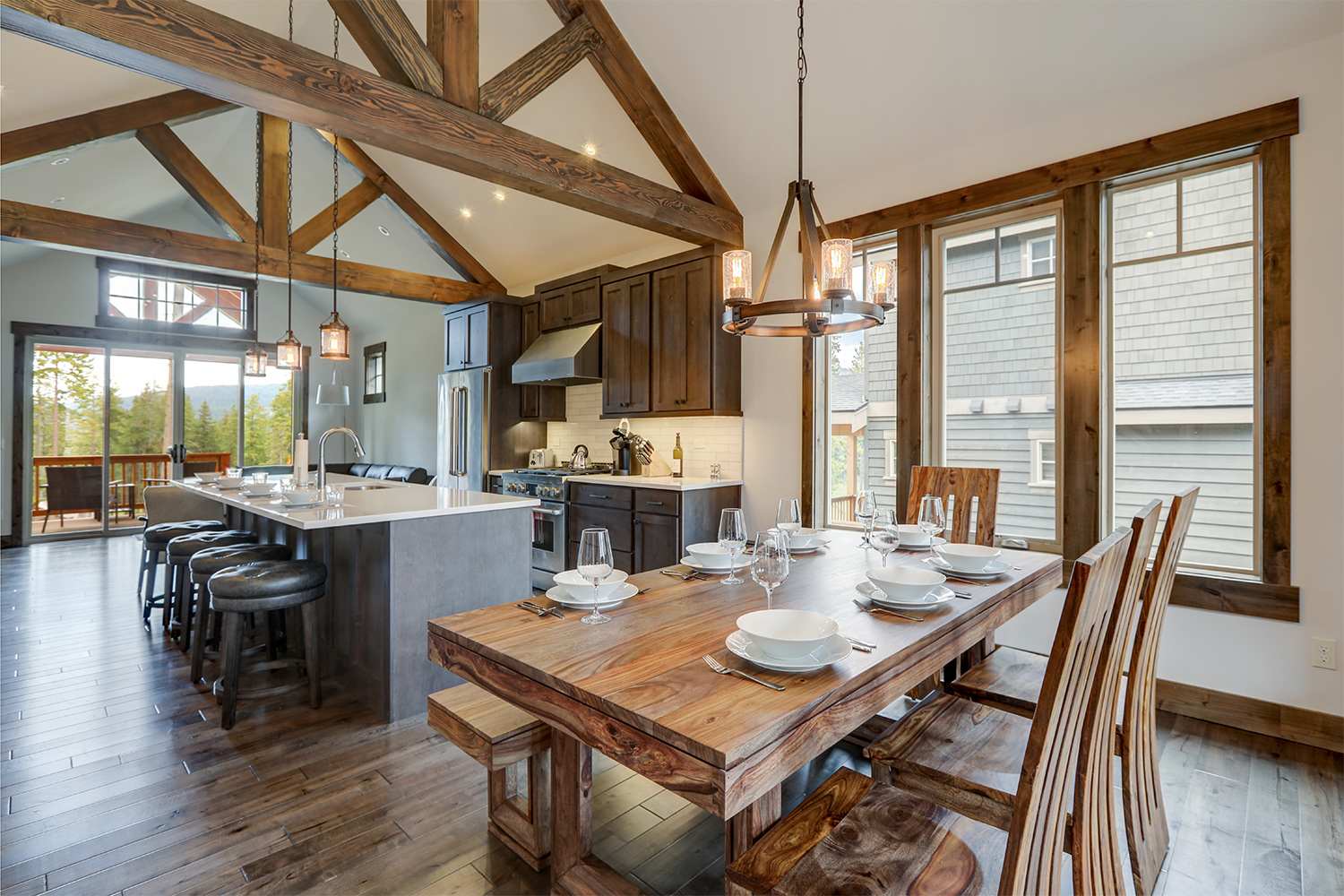
It is not recommended to cut or drill into LVL (laminated veneer lumber) beams. As major structural components of a home, their composite structure can be compromised by alterations, which can weaken them and lead to cracking over time. If you must make modifications to an LVL beam, it is crucial to consult a structural engineer or general contractor first. A professional can advise on whether it's safe and provide specifics on the appropriate bit size, depth, and directionality for any necessary drilling.

The depth of any foundation style depends on your climate and how deep the frost line is, as building code requires that the footers of a foundation—which are built into a monolithic slab—sit at least a foot below the frost line. At the southern tip of Florida, for example, a monolithic slab foundation would only need to sit 12 inches under the soil at the widest parts. On some parts of the Canadian border, the frost line is 100 inches, which would mean a minimum of 112 inches, which is prohibitively deep for a monolithic slab.

The Ocean View, DE homeowners’ guide to structural engineering services

From average costs to expert advice, get all the answers you need to get your job done.

What do you need done? We’ll find top pros.
  • 🌱 "Mow a small front yard"
  • 🛠 "Fix a leaking pipe under the sink"
  • 🏠 "Repair shingles on an asphalt roof"