






Top-rated plaster repair specialists.

Get matched with top plaster repair specialists in Ocean View, DE

Enter your zip and get matched with up to 5 pros

Need a pro for your plaster repair project in Ocean View, DE?

Select your specific project to find the pro for you.

TRUSTED BY OCEAN VIEW, DE HOMEOWNERS

  • Average homeowner rating star icon4.3
    Average homeowner rating
  • Verified reviews icon162
    Verified plaster repairs reviews

Find Plaster repair specialists in Ocean View

Avatar for Roark Remodeling LLC
Roark Remodeling LLC
4.1(
14
)
Plaster - InstallPlaster - Install - For BusinessPlaster - Repair+1 more

Serving Ocean View, DE and surrounding areas

In business since 2011

Emergency services offered

Credit card accepted

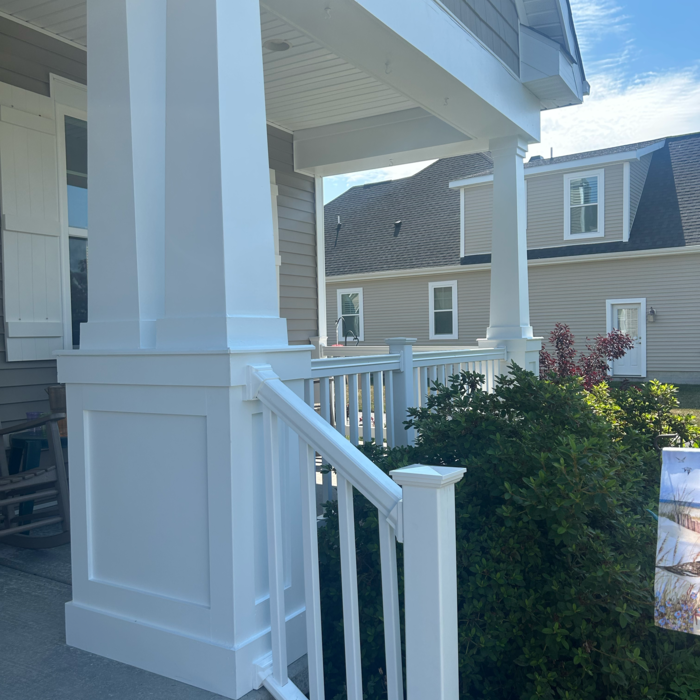
"We originally asked for a price to fix the post on the front porch and paint the exterior of our stucco house.  AC quickly gave us an online estimate of $2600 from pictures we had sent. We then arranged a time that week for him to come over and look more closely at the house.  He agreed to do the job as we requested but had some reservations about painting without doing some fix up prep work first.  He had his painters come look at the house and they expressed even greater concern and stated the paint job would not last nearly as long without replacing some rotted wood and doing extensive caulking and stucco repair which was obviously needed.  After talking with them we agreed that the prep work should be done at an additional cost of $2400.  They first worked on the post on the front porch and did a great job.  They were able to repair the post instead of replacing it which we appreciated.  They then took 2 days working on the prep work prior to painting.  They did a very thorough job and were even able to remove some extensive vine debris with no evidence of its remains after painting.  AC had recommended using Sherwin Williams for the paint but we were unable to get the color we wanted even after working with a SW dealer who honestly tried very hard to match our request.  AC agreed to use the Behr paint of the color we had chosen.  They applied an oil based exterior primer prior to applying the finished coats.  The painters were excellent.  Dither was very knowledgeable and thorough.  He and his painters worked hard and payed attention to details.  Both AC and Dither did frequent walk throughs with us and addressed all our concerns.  At the final walk through we had noticed bubbling on the concrete on the front porch. Although a primer was not recommended with the concrete paint they had used, they returned and scrapped the paint and repainted with an oil primer and another topcoat. We requested that $200 be held back on the payment until this work was completed and AC agreed without hesitation.  The painters returned to repaint within the week. We are very pleased with their work and would use them again needed."
Exterior
Interior
Landscaping and Gardens
Recommended by76%of homeowners
Showing 1-10 of 43
Plaster Repair questions, answered by experts

Damp plaster does dry out, although the drying time depends on several factors, including the type of plaster, the surrounding temperature, moisture content, and the extent of the dampness. Sometimes, it can take weeks or months for wall plaster to dry naturally.

Yes, you can speed up the time it takes for plaster to dry, but it's important to do so carefully to avoid issues like cracking or crumbling. Proper ventilation is key; open a window or use a fan to circulate air in the room. Heat can also accelerate drying, but be cautious, as too much heat can cause the plaster to dry too quickly and crack. Check the plaster's packaging for the recommended drying temperature and set the room's thermostat accordingly. While managing humidity is important, avoid using a dehumidifier, which can remove moisture too aggressively and result in crumbly plaster.

Although they are used for similar tasks, spackle and joint compound are not the same. Joint compound, also known as drywall mud, consists of limestone and gypsum and is primarily used for large-scale projects like taping and finishing seams on new drywall. Spackle is composed of gypsum and binding agents, making it a thicker compound best suited for small wall repairs like filling nail holes or cracks, as it dries quickly and is easy to sand. For small repairs, either product can be suitable. However, you can use joint compound for small jobs in place of spackle, but you cannot use spackle for large-scale taping and mudding projects.

Both plaster and drywall are durable wall finishes, but they differ significantly in installation, cost, performance, and aesthetics.

Installation & Cost: Drywall installation is faster and more affordable, typically costing $1.50 to $3 per square foot. It uses premade sheets, making it a more accessible DIY project. Plastering is a labor-intensive craft that requires specialized skills, pushing costs to $2 to $10 per square foot. It involves applying a wet paste over a lath framework.

Durability & Performance: Plaster is generally more durable, longer-lasting, and provides superior soundproofing. It is also a better insulator, which can help reduce energy costs. Drywall is easier to remove for future renovations.

Aesthetics: Drywall provides a smooth, uniform surface ready for paint or texture. Plaster offers a high-end, naturally textured look that can hide imperfections and is often preferred for achieving a classic or historic aesthetic.

Which is better? The choice depends on your priorities. Drywall is ideal for those prioritizing a lower upfront cost, faster installation, and DIY potential. Plaster is the better option for a higher-end project where durability, soundproofing, and a unique, premium finish are more important than the initial cost.

Yes, you can apply new plaster over an existing plaster surface, such as a wall or ceiling, provided the old plaster is in good condition. Before you begin, check the stability of the existing plaster. The surface must be clean, free of loose material, and have no peeling paint. It is also recommended to roughen the surface slightly to promote adhesion. For older plaster, applying a base coat like a PVA emulsion or a specific bonding agent or primer is crucial. This step makes the existing plaster less porous and ensures the new and old layers adhere properly for a smooth, long-lasting finish.

The Ocean View, DE homeowners’ guide to plaster repairs

From average costs to expert advice, get all the answers you need to get your job done.