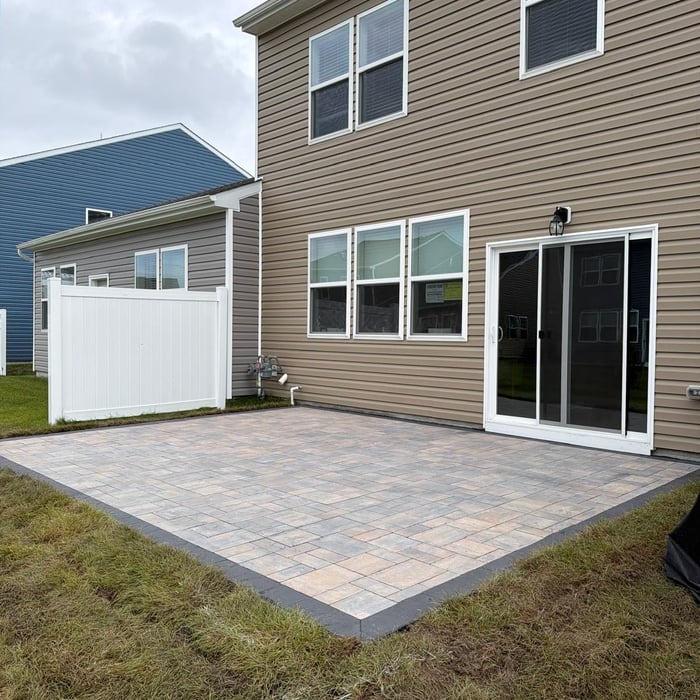








Top-rated fire pit installation pros.

Get matched with top fire pit installation pros in Long Neck, DE

Enter your zip and get matched with up to 5 pros

Need a pro for your fire pit installation project in Long Neck, DE?

Select your specific project to find the pro for you.

TRUSTED BY LONG NECK, DE HOMEOWNERS

  • Average homeowner rating star icon4.3
    Average homeowner rating
  • Verified reviews icon622
    Verified fire pit installation services reviews

Find Fire pit installation pros in Long Neck

No results for Fire pit installation pro in

Try adjusting your search criteria.
Fire Pit Installation questions, answered by experts

Electrical fires are unique from other fire types because they have the potential to deliver electric shocks in addition to being on fire. Avoid serious injury from possible electrical emergency situations by avoiding the use of water, foam-based fire extinguishers, wet-chemical fire extinguishers,  flour, or baking powder to put out an electrical fire. 

No. Removing the cause of concern will only lead to deeper concern. You cannot use any fire-powered appliance like a fireplace or furnace without an escape route for the smoke and fumes. If you remove the flue intending to repair or replace it, you should only use the fireplace, wood stove, or furnace once the flue is in working order. If you cannot replace the flue you have removed, call a chimney repair professional immediately.

EIFS has several disadvantages, primarily related to cost and moisture. The system tends to have higher upfront installation costs compared to other siding options, and repairs can also be expensive, especially if water damage occurs. A significant downside is its low breathability, which can trap moisture between its layers from either leakage or condensation. This trapped moisture increases the risk of developing mold and rot, which can lead to costly and extensive repairs if not addressed promptly.

Yes, you need to leave your chimney damper open when burning a creosote log so that smoke and other debris doesn’t waft into your house as it’s burning. You’ll need to make sure your damper is fully open, even when the log continues to smoke, until it’s completely out and cold.

You should never block both the top and bottom of your chimney. Proper airflow is essential because the temperature inside the chimney will still fluctuate as your house warms and cools. Moisture can build up without ventilation, leading to dampness in your walls over time. Blocking the top prevents debris and animals from entering, but the chimney still needs air circulation to avoid condensation issues. Allowing the chimney to breathe maintains the health of your home and prevents long-term damage.

The Long Neck, DE homeowners’ guide to fire pit installation services

From average costs to expert advice, get all the answers you need to get your job done.