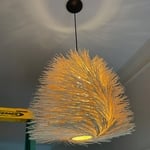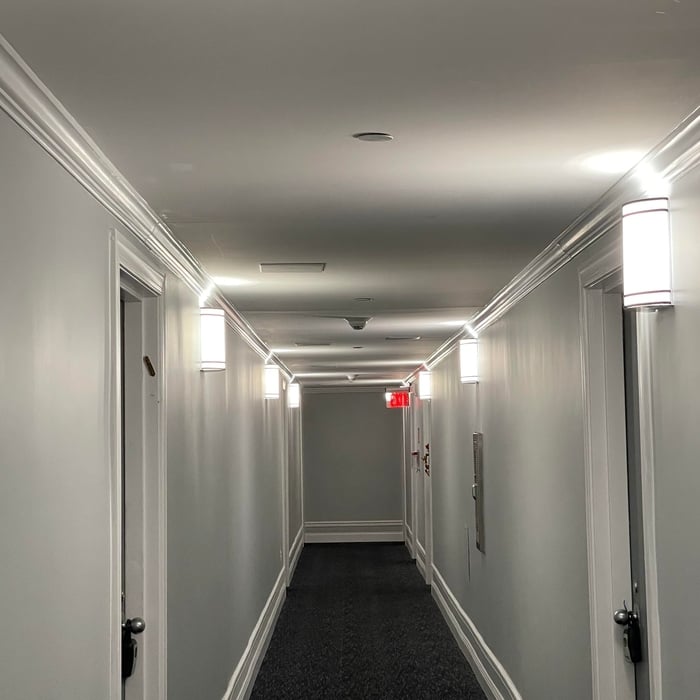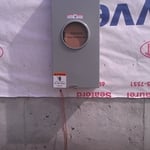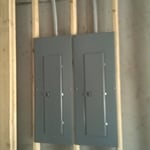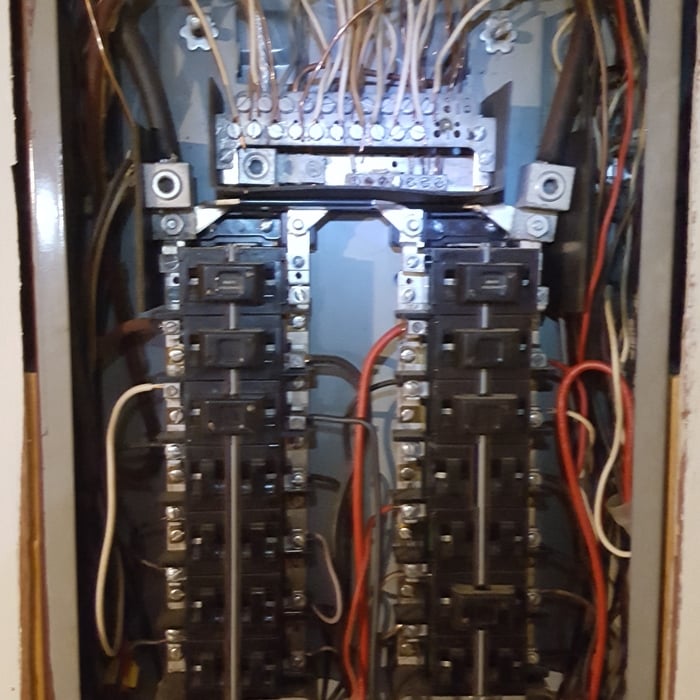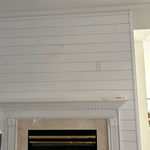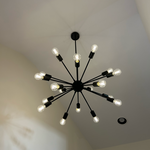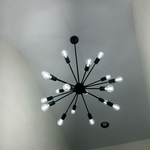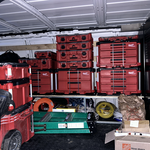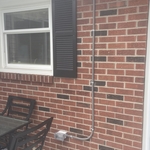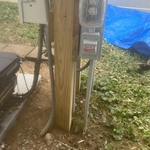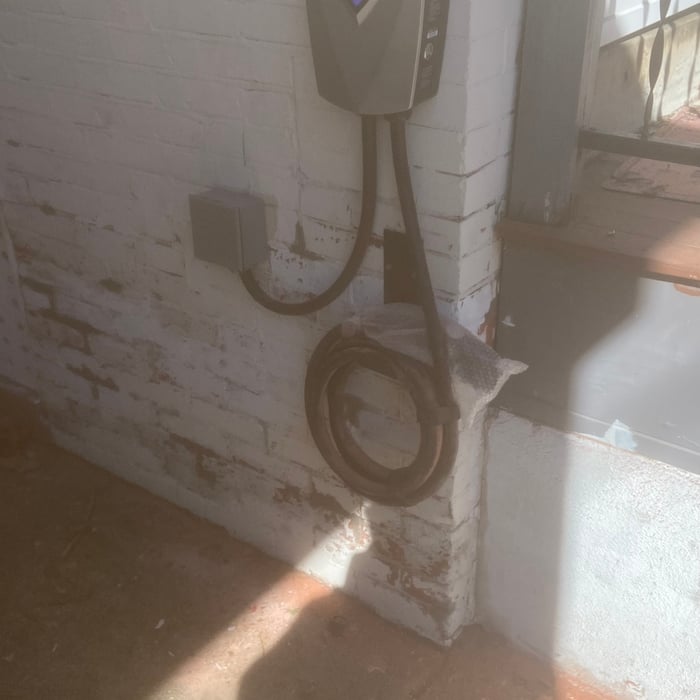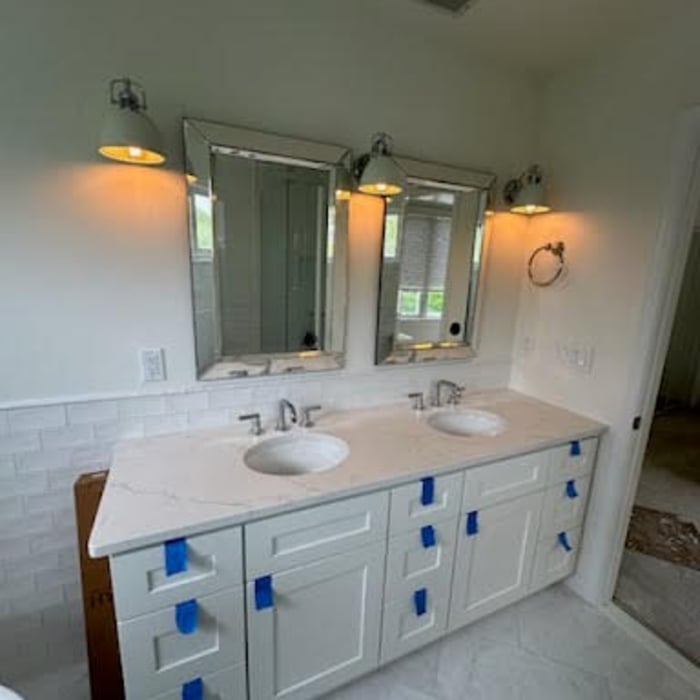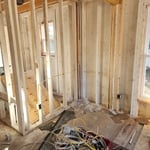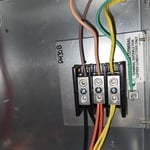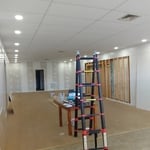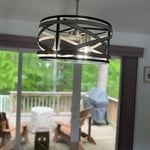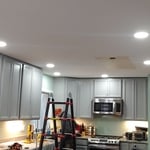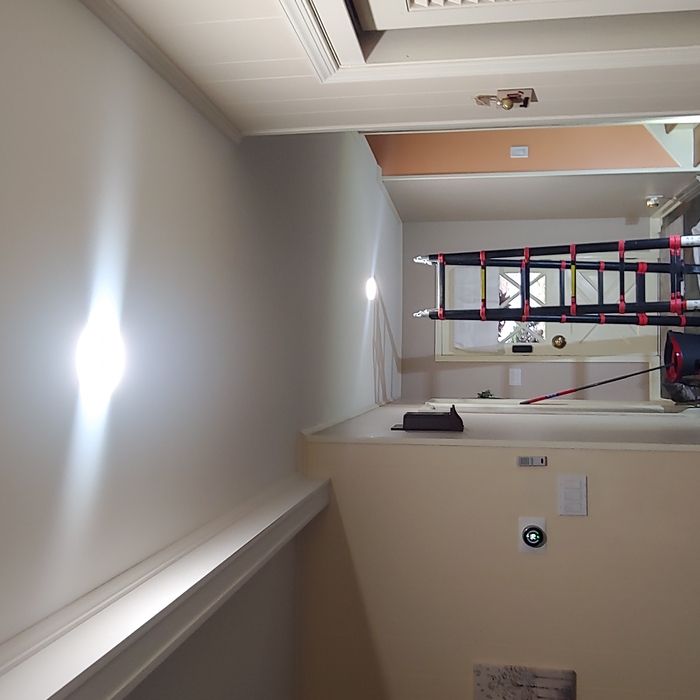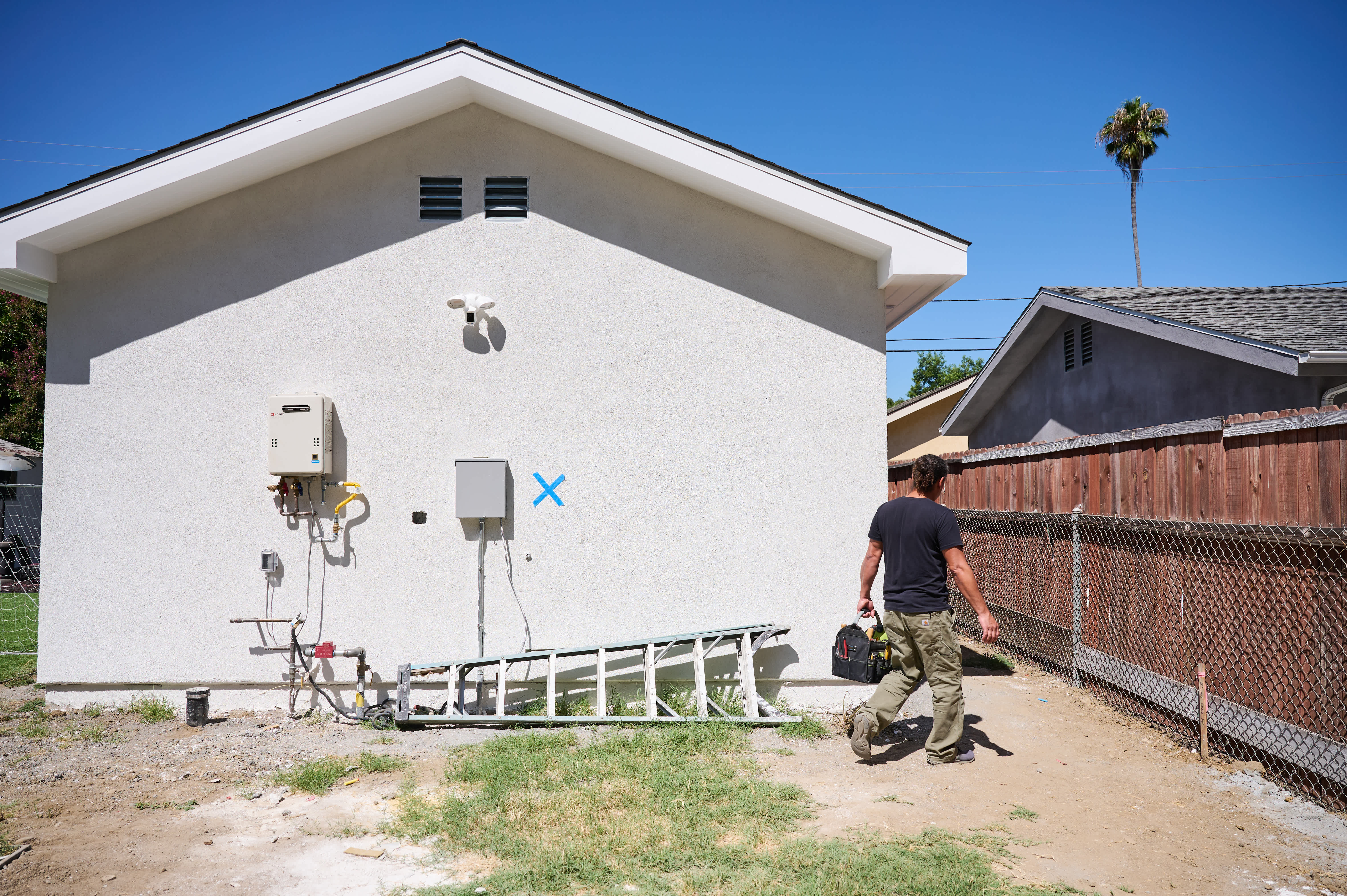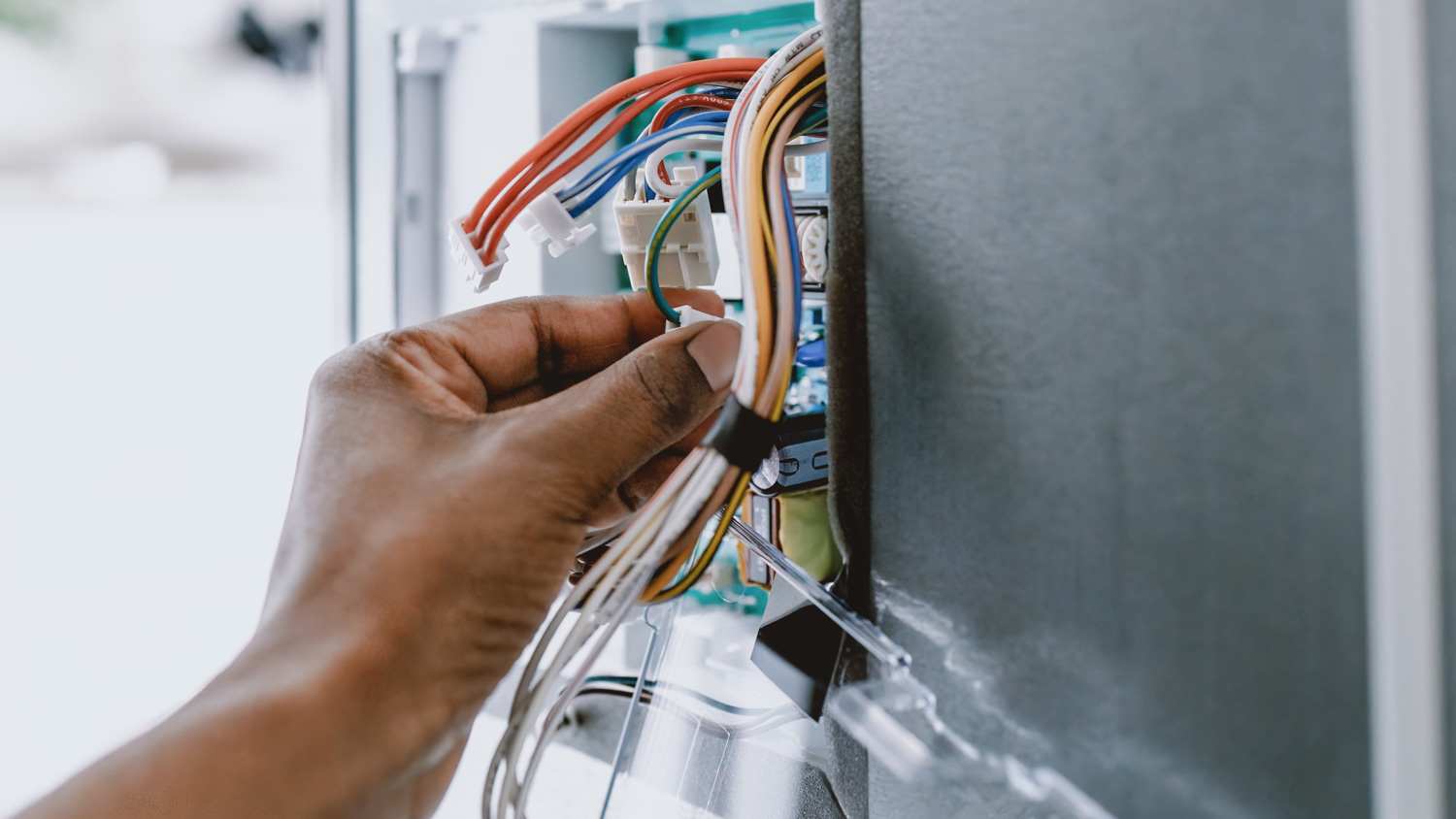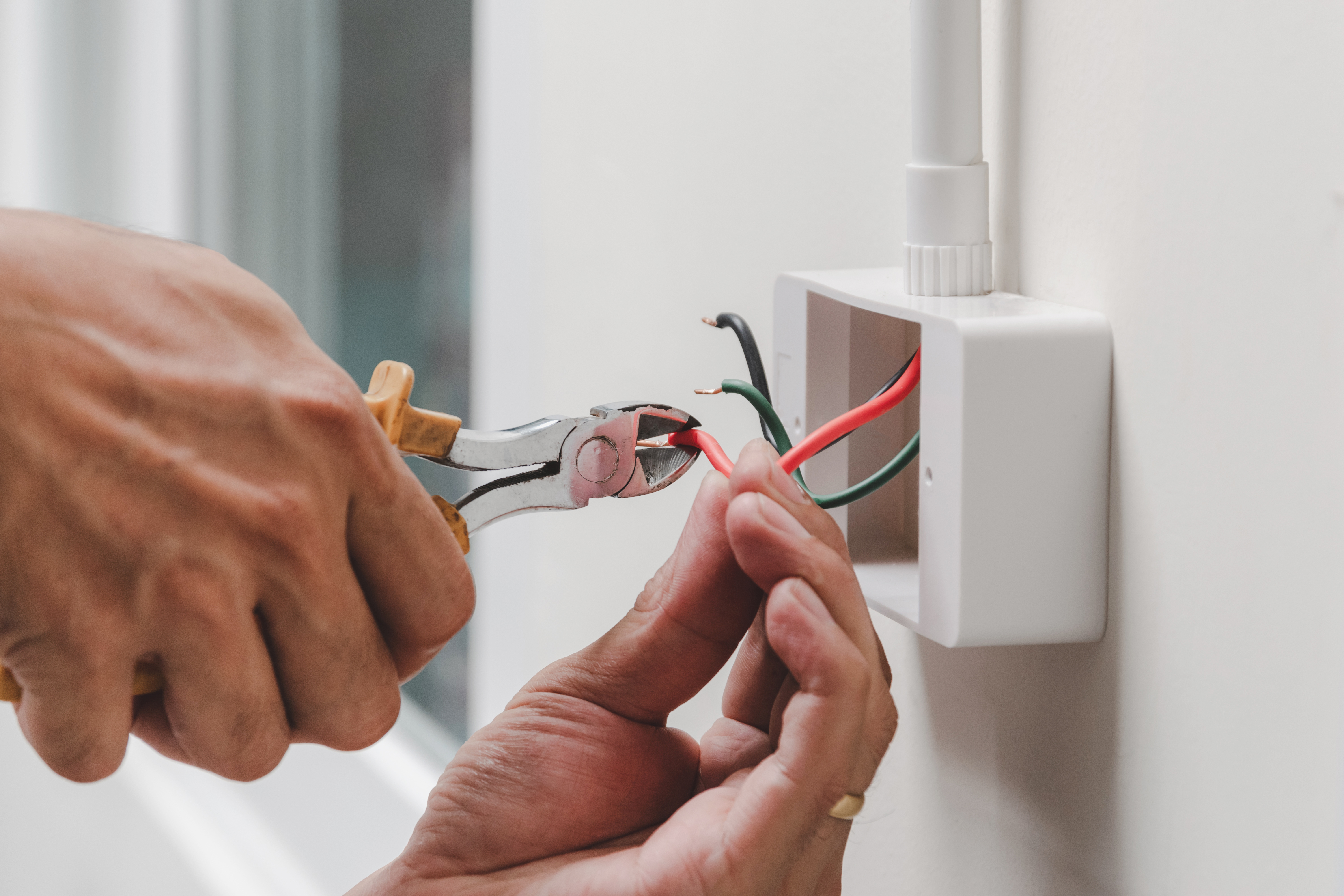





"Klaus moved our wired electric panel and re-wired the entire kitchen. He added amazing lighting including recessed lighting, under counter lighting and toe kick lighting. He installed relocated electrical receptacles for the dishwasher, garbage disposal and water pump. Did beautiful finish work. Very good at communicating and saying yes when I asked for more. Pricing very reasonable. Very dependable and amicable. Highly recommended."
"Brandon Flemings was great to deal with during the work he performed for me. He and his assistant were very professional and thorough with explaining the work they performed. They arrived at my house at the time they said they would come and their estimate for doing the job was reasonable and accurate. I definitely will hire them for my future electrical work."
"I had a great experience with Galloway Electrical. The team was very professional, courteous, and prompt. They quickly identified the issue, explained it clearly, and fixed it right away. I would absolutely recommend Galloway Electrical for any electrical needs."
"It was a pleasure to work with Zack at ZB Electrical for the electrical connection of our hot tub. He was very thorough and professional. He came to our house to provide an estimate, and he verified the proposed installation with the inspector prior to performing the work. He completed the work on time and in-line with the estimate. There were no surprises. The hot tub works fine. We would definitely recommend ZB Electrical."
"Called Carey’s electric service and was able to have them come to our house same day Found the over loaded circuit Replaced new circuit breaker and rewired circuit They were very knowledgeable about their work I would highly recommend them for any kind of electrical project"
"Amazing job by BF electric works. It’s hard to find a good electrical company that is doing quality work while taking pride in the job, but BF is that and more. They were personable and eager to answer any of the questions I had. I would recommend to anyone looking to get electric work done!"
The hot wire is typically black, but it's essential to use a non-contact voltage tester to confirm the electrical wire color code before working on it. Neutral wires are typically white. It’s vital to determine which wire is carrying electrical current before proceeding with any electrical work.
In the case of electrical overflow, an ungrounded outlet should trip the circuit breaker, staving off dangerous scenarios. However, this is not always the case, especially if the wires and circuit breaker are worn down or damaged in some way. Ungrounded wires melt over time as they are introduced to more and more electricity. In other words, a circuit breaker offers protection in most instances but not always, and that’s where the danger lies with ungrounded outlets.
Yes, the National Electric Code (NEC) requires at least one GFCI outlet in each sectioned-off portion of an unfinished basement, partly to ensure a power source is available for a sump pump in case of flooding. If you install multiple outlets in your unfinished basement, all of them must be GFCI-protected. For finished basements, standard outlets are generally permitted, but at least one GFCI outlet is still required per circuit. Keep in mind that local municipalities may have additional codes, so it's best to consult a licensed electrician to ensure your home is fully compliant.
A 60W LED bulb is likely labeled as “60W replacement” on the package—that’s because it provides about the same light output as a 60W incandescent bulb. In reality, it likely uses less energy—usually 15 watts or less. If that’s the case, then it’s perfectly fine to put a 60W LED bulb in a 40W socket. Your best bet is to read the package carefully. It will tell you the LED bulb’s actual wattage, and as long as it’s lower than the fixture, the bulb will be safe to use.
How far you can run underground electric depends on the wire gauge (generally AWG) and the circuit voltage. Too much voltage drop in an electrical circuit can negatively affect performance, so the smaller the voltage drop, the better. Ideally, it shouldn't exceed 3%. The smaller the wire and the longer the run, the more significant the voltage drop.
For example, with a 120-volt circuit, you can run 60 feet of 12 AWG cable without losing more than 3% voltage. With a 240-volt circuit, you can run 120 feet of 12 AWG wire while maintaining a voltage drop of 3% or less.
The Delmar, DE homeowners’ guide to electrical services
From average costs to expert advice, get all the answers you need to get your job done.
Before you hire a licensed electrical contractor, you should learn the cost to run electric from the road to your house so you can budget for the project.
Is it time to upgrade your electrical panel? For the sake of safety, find out sooner than later by exploring our top signs that it’s time for an upgrade.