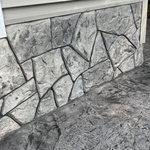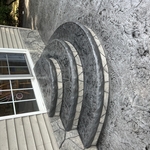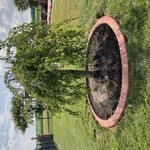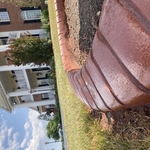


Top-rated landscapers.

Get matched with top landscapers in Clayton, DE

Enter your zip and get matched with up to 5 pros

Need a pro for your landscaping project in Clayton, DE?

Select your specific project to find the pro for you.

TRUSTED BY CLAYTON, DE HOMEOWNERS

  • Average homeowner rating star icon4.3
    Average homeowner rating
  • Verified reviews icon80
    Verified landscaping services reviews

Find Landscapers in Clayton

Avatar for Crimson Bay PM
Crimson Bay PM
5.0(
2
)
Lawn Care - Maintain and Mow a LawnLandscape - Install Landscaping for Yard or GardenLawn & Yard Waste Clean Up+4 more

Serving Clayton, DE and surrounding areas

Approved

Free estimates

Small jobs welcome

Credit card accepted

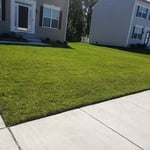
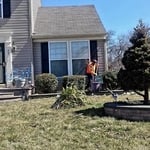
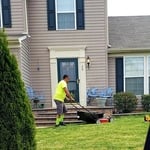
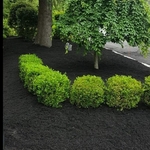
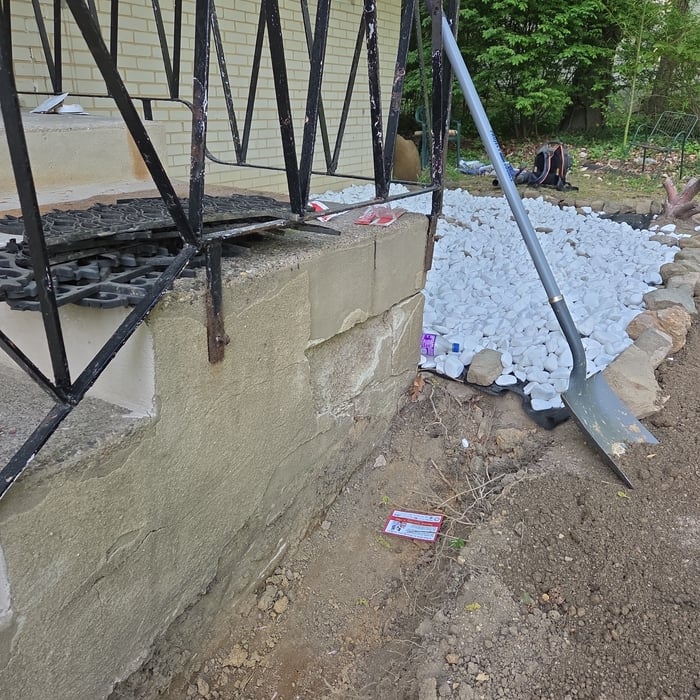
"Crimson Bay did a beautiful job cleaning up my existing landscaping areas. They took out the old stones & washed them. They pulled up the old plastic & leveled out the ground underneath, removed moss from the concrete wall, added a weed deterrent, laid down new landscaping paper, & put the cleaned stones back & added edging. They were professional, polite, & worked diligently. I thought the price was very reasonable. I highly recommend them."
Bulk jobs
Bulk jobs
Bulk jobs
Bulk jobs
Bulk jobs

+23

31 neighbors recently requested a quote
...
Showing 1-10 of 310
Landscaping questions, answered by experts

The soil around your foundation should slope down and away from your home, not toward it. If the grading drops the farther you are from your home, you can enhance the slope by removing more soil. Mark off a few feet from your house and dig up some of this soil. Regrading around your fountain should encourage water to flow away from your home and not collect or “pond.”

The best size rock for your landscaping depends on the design, as different boulders serve different purposes. If you want to group boulders to create a natural-looking cluster, you’ll need a range of sizes. Otherwise, here are some suggestions:

  • Small boulders (smaller than 12 inches across): Best for landscape edging and fire pits 

  • Medium boulders (12–24 inches): Best for retaining walls and water features

  • Large boulders (more than 24 inches): Best as standalone landscaping features, steps, or walkways.

Of course, you can mix and match sizes to create a unique display.

The best time to plant is between spring and autumn. Springtime weather is typically mild and is when nurseries start to bloom. When the summer weather arrives and it’s hot out, it’s best to avoid planting bare-root plants, but you can still plant many in-container varieties. The first sign of fall is another great opportunity to plant biennials if you live in southern states, or a lovely vegetable garden up north.

While you can leave roots in the ground, if you don’t want the shrub to regrow again over time, it’s best not to leave any roots behind. Ensure you remove as much of the shrub as possible, including the root ball and any main roots you can see, to prevent new growth. Some gardeners opt for using a chemical treatment to prevent the stump from growing back, but this can kill beneficial microorganisms living in your soil.
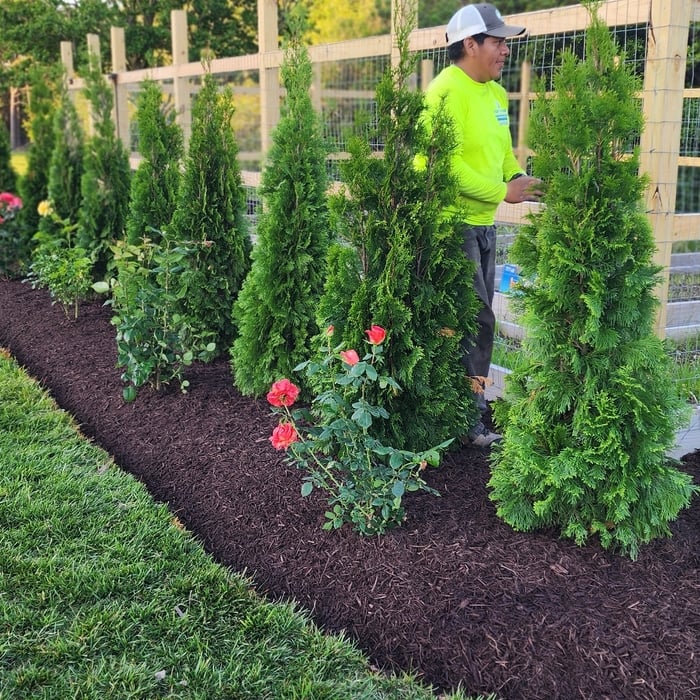
Buying plants from a nursery is one thing, but ensuring that they are properly planted is another. While you might not need to hire a landscaper for every plant that you buy from a nursery, it’s a great idea to have their expertise and experience to plant larger items, like burlapped trees or specialty plants like rose bushes. Even better, before making a trip to a nursery to buy new plants, consult a local landscaper to test your soil for pH levels, soil texture, and phosphorus and potassium levels to help determine the best plants for your area.

The Clayton, DE homeowners’ guide to landscaping services

From average costs to expert advice, get all the answers you need to get your job done.