


"The work done was excellent. The plumber was also extremely personable and professional. The only thing I had a problem with was the high price. I guess I'm not used to paying someone else for jobs I used to be able to do myself."
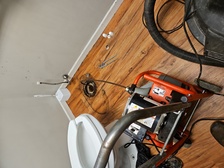
"Responded within an hour and sent someone four / five hours later during a weekend. Extra 200 fee for emergency shift but was able to resolve clogged basement pipe within an hour of getting here."
"TPK LLC did an amazing job unclogging my kitchen drain. They were professional, quick, and got everything flowing perfectly again. Great communication, fair pricing, and excellent service. Highly recommend!"
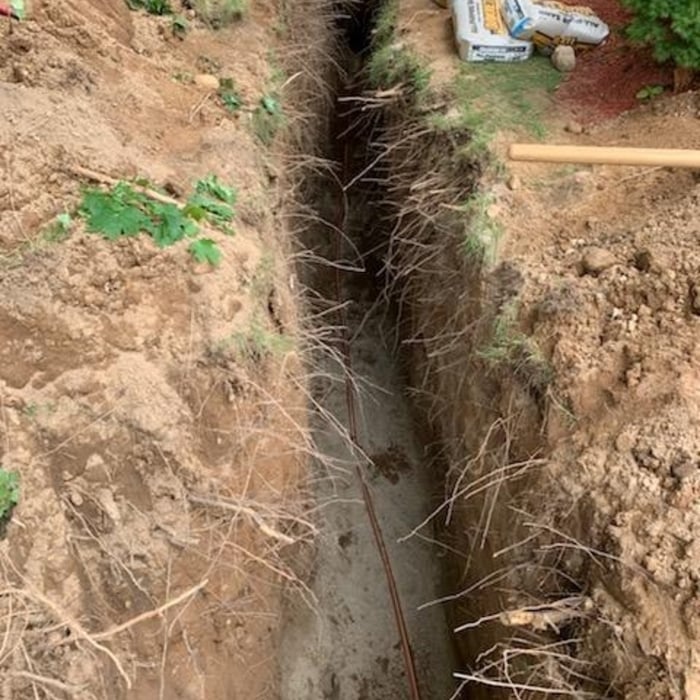
There are many things that could cause your basement floor drain to back up. One significant cause of a drainage backup is flushing non-flushable items, such as wipes, paper towels, and facial tissue. Other causes of a backed-up basement floor drain include tree roots impeding the drain pipe or an accumulation of hair, oil, and grease.
Several signs can tip you off to a clogged dishwasher drain. At first, you may notice that it’s taking longer than usual for the dishwasher to drain, or you may hear gurgling sounds during the draining part of the cycle. You might also notice water backing up into your sink or excess food at the bottom of the dishwasher after a load. The most obvious sign, though, is seeing standing water at the bottom of your dishwasher after the cycle has finished.
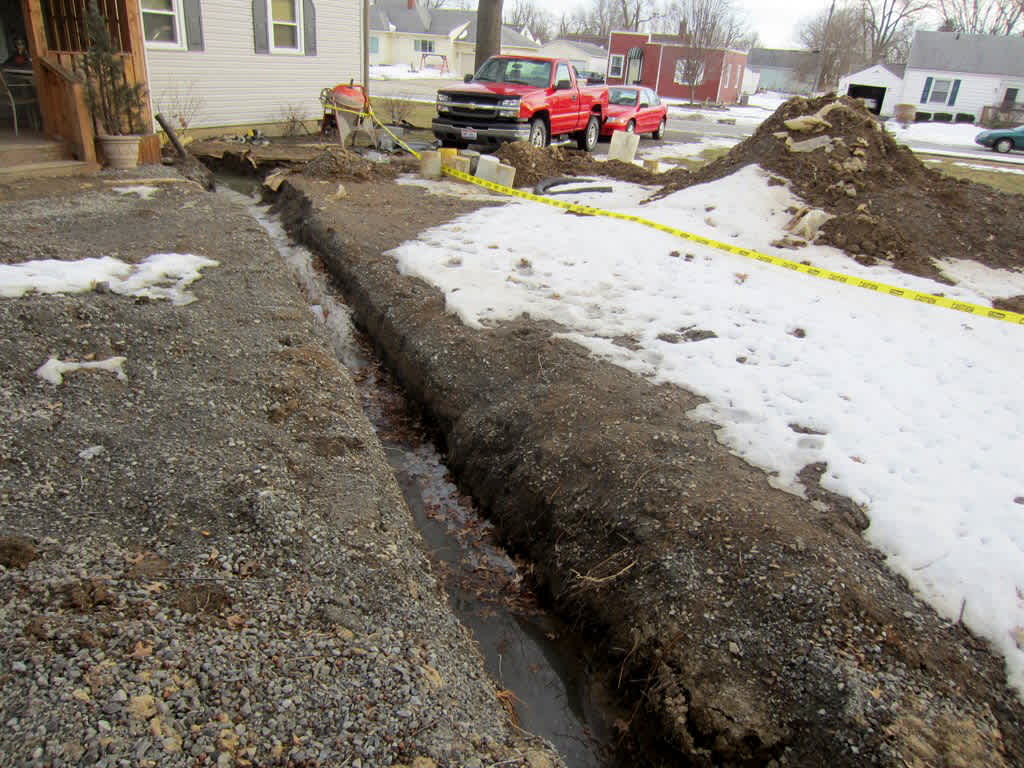
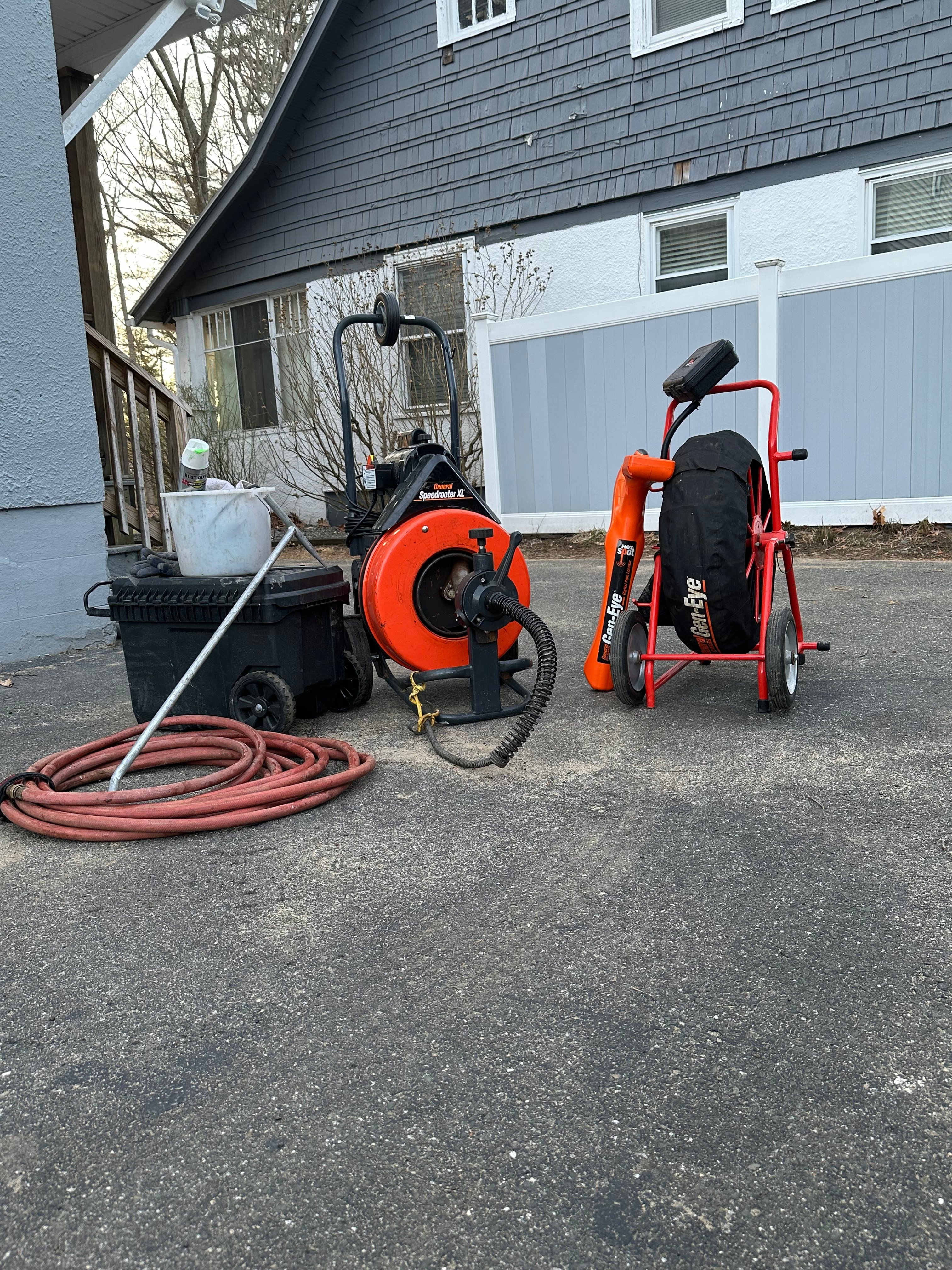
There are several common signs that your main sewer line may be clogged. Key indicators include multiple fixtures in your home draining slowly, gurgling sounds coming from drains or toilets, and water backing up into showers, sinks, or toilets. You might also notice water backing up from the plumbing system's drain cleanout, water in your basement drain, or unexplained wet patches on your lawn. Foul odors, such as the smell of raw sewage or rotten eggs, are another common symptom. The most reliable way to confirm a main sewer line clog is to hire a professional plumber to perform a camera inspection.
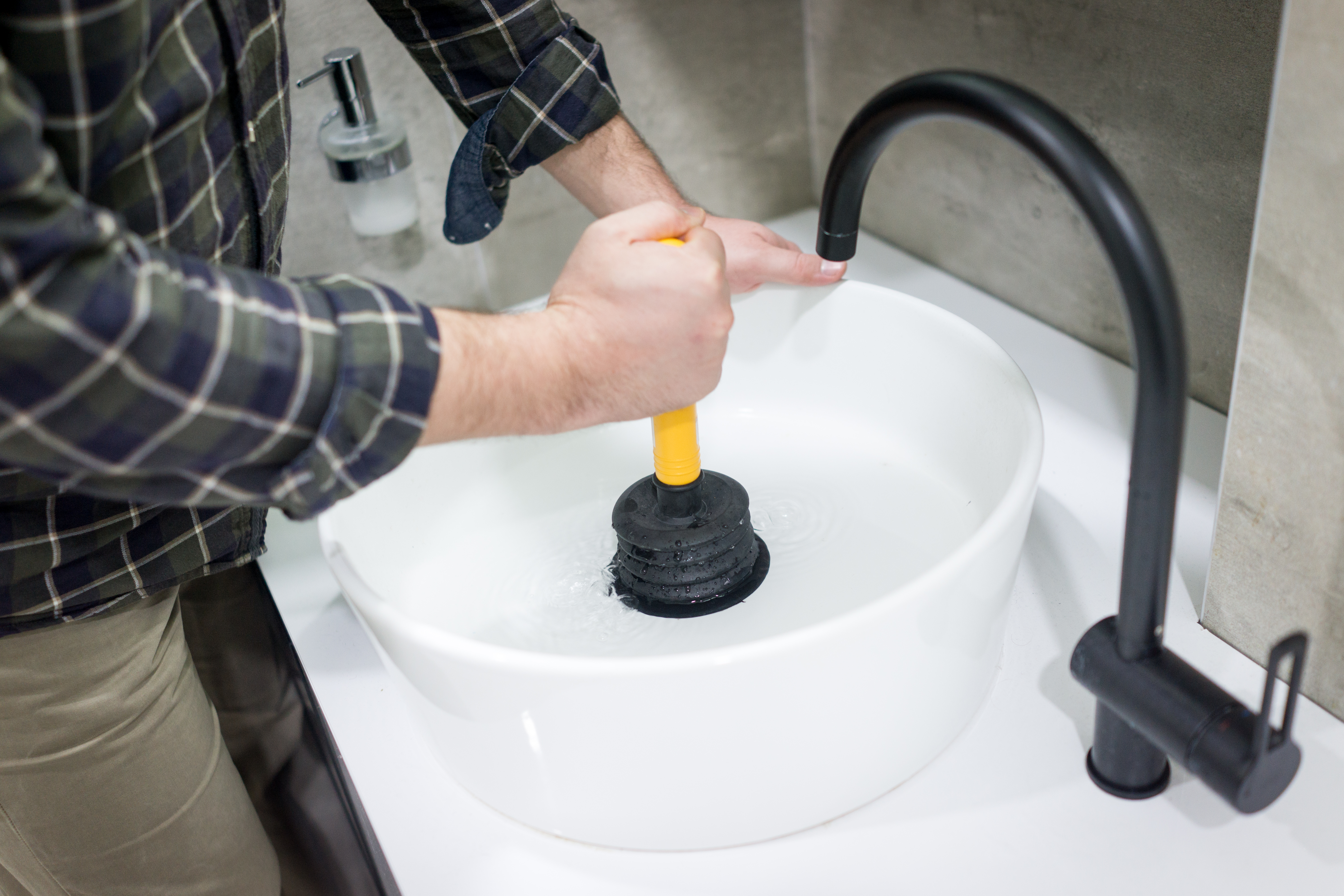
A good option for opening up and cleaning a sink drain is to use a ¼ cup of baking soda and 1 cup of white vinegar, along with a rubber stopper to cover the drain while those materials work their magic. After about 15 minutes, you can flush the drain with hot water. In many cases, these materials can scrub out minor clogs and get the drain working properly again. If the issue persists, call in a plumber near you to get the problem permanently fixed.
Start by unscrewing the overflow valve, which is located on the wall of your tub between the floor drain and the tub spout. Gently insert a plumbing snake down into the pipe, move it back and forth, and pull it out. Remove any hair, debris, and soap scum that comes out with it. Repeat the process until the snake comes out clean, and then reinstall the cap on your overflow valve.
The Somers, CT homeowners’ guide to drain cleaning services
From average costs to expert advice, get all the answers you need to get your job done.
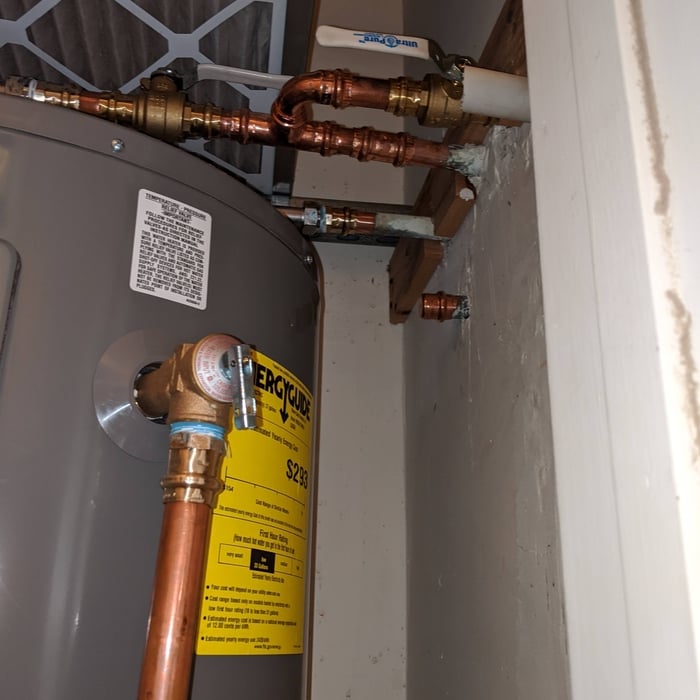
When your shower or sink starts draining slowly or not at all, it’s time to act. Get tips for how to unclog a drain, and learn about drain cleaning service pricing.
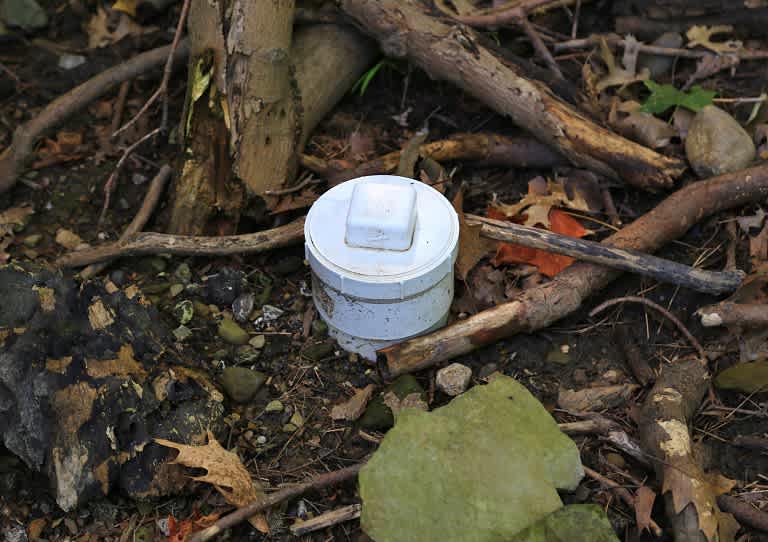
Are your sinks draining slowly or making gurgling noises? Learn what drain cleaning is, the warning signs of severe clogs, and how to hire a local plumber.