

Top-rated drain cleaners.

Get matched with top drain cleaners in Broad Brook, CT
Enter your zip and get matched with up to 5 pros

Need a pro for your drain cleaning project in Broad Brook, CT?

Select your specific project to find the pro for you.

TRUSTED BY BROAD BROOK, CT HOMEOWNERS

  • Average homeowner rating star icon4.5
    Average homeowner rating
  • Verified reviews icon720
    Verified drain cleaning services reviews

Find Drain cleaners in Broad Brook
...
Showing 1-10 of 101
Drain Cleaning questions, answered by experts

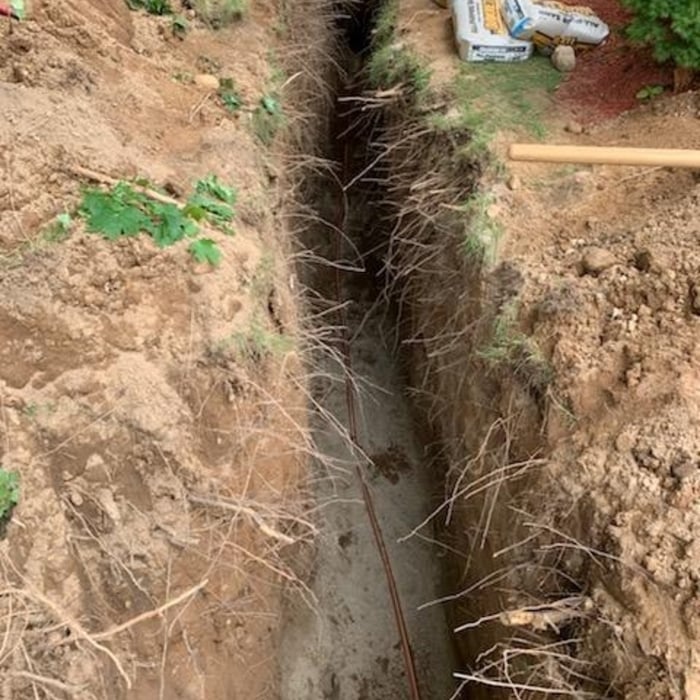
You should hire a sewer service professional to unclog a main sewer line with tree roots. Tree roots can grow into the main sewer line, and this problem requires a specialized hydro jet, or rooter, that is powerful enough to clear the roots. The tree can also damage the main sewer line, and a professional will need to make repairs or replace the damaged sections. Sewer line replacement costs about $60 to $250 per linear foot.
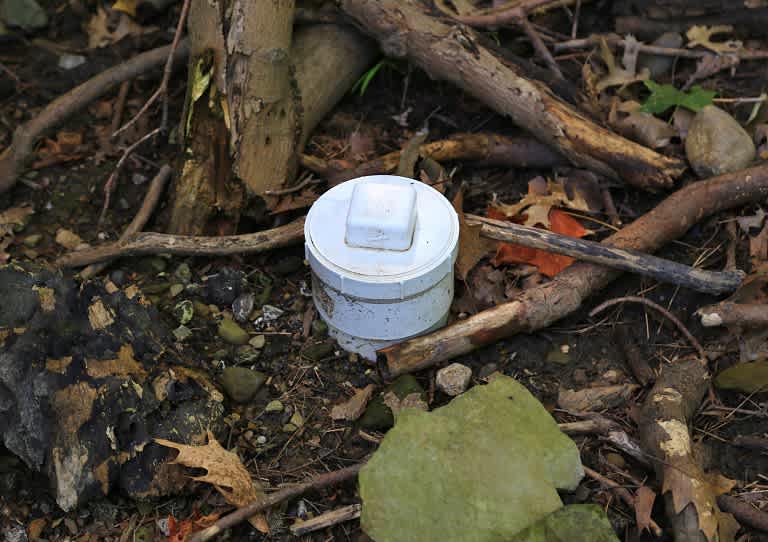
With a one-way cleanout, you can access your sewer line from one direction. Depending on the way it curves, a plumber can either access the side of the pipe that goes into your home or the side that goes to your yard. On the other hand, two-way cleanouts allow pros to access both sides of the sewer line, thanks to their dual-pipe design (they’re usually U-shaped).

That pungent rotten egg smell coming from your drain is likely the buildup of biofilm—hair, skin, and soap scum that turns into a black sticky mess. In this case, pouring down near-boiling water, baking soda, and white vinegar will remove the smell. Keep in mind that a rotten egg smell is occasionally a sign of larger sewage line clogs and other related issues.

The spin cycle on your washer should initiate draining, but if you still find leftover water in the washing machine tub, you may need to drain it manually. To manually drain a washing machine, you’ll need to turn off the power supply and locate the drain hose, filter, and pump. Open or disconnect these parts and let the water drain into a bucket.

As a preventative measure, hydro jetting should be done every one to two years. However, the best practice is to hydro jet your sewer line once per year. The ideal frequency depends on several factors, including the age and condition of your pipes, how prone they are to clogging, how often the sewer line is used, and the type of waste disposed of in the system. If you frequently experience clogs or are unsure, it's best to ask a licensed plumber for a recommendation specific to your plumbing system.

The Broad Brook, CT homeowners’ guide to drain cleaning services

From average costs to expert advice, get all the answers you need to get your job done.