


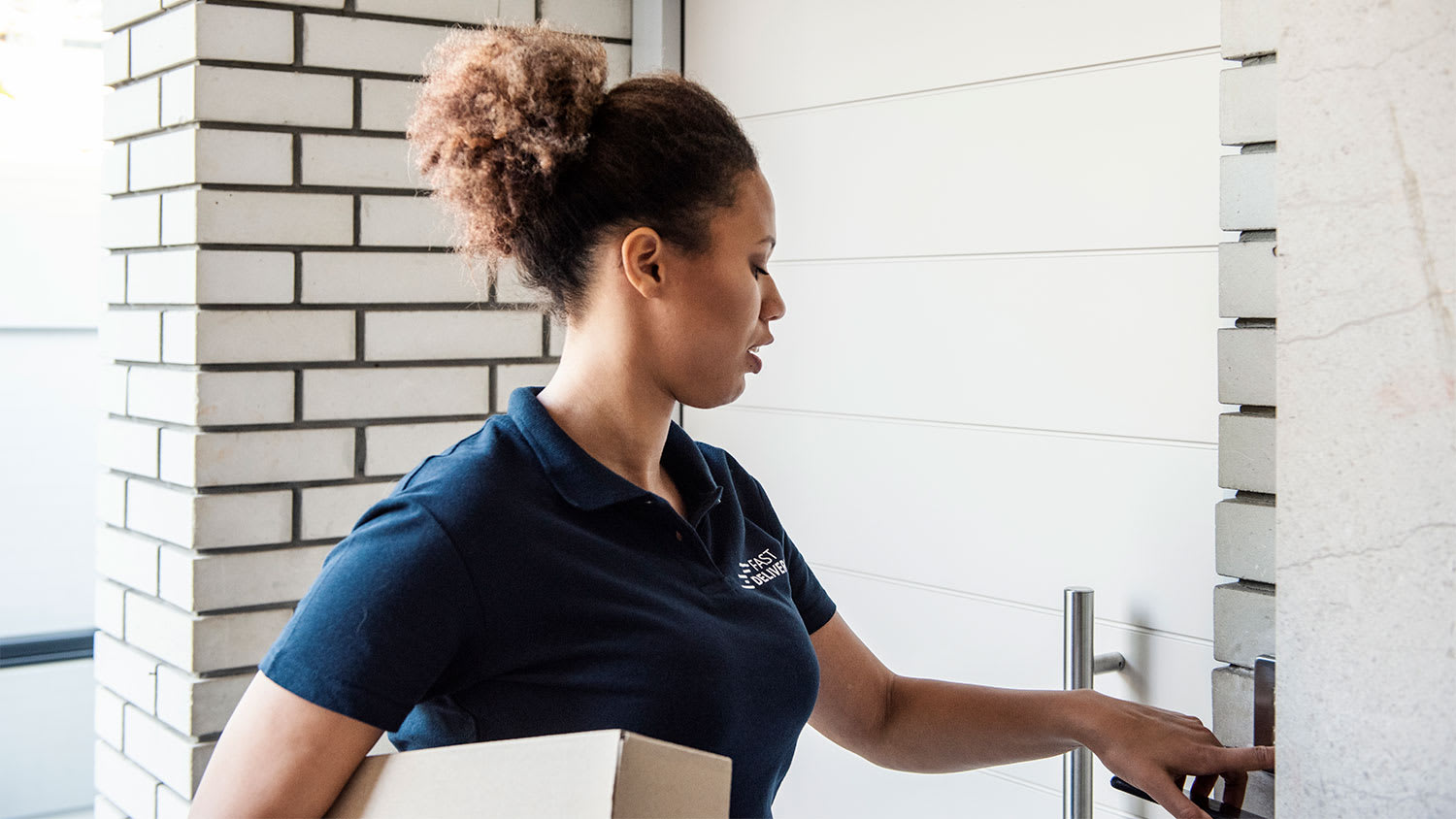
Top-rated doorbell installation pros.

Get matched with top doorbell installation pros in Putnam, CT

Enter your zip and get matched with up to 5 pros

Need a pro for your doorbell installation project in Putnam, CT?

Select your specific project to find the pro for you.

TRUSTED BY PUTNAM, CT HOMEOWNERS

  • Average homeowner rating star icon4.3
    Average homeowner rating
  • Verified reviews icon120
    Verified doorbell installation services reviews

Find Doorbell installation pros in Putnam

No results for Doorbell installation pro in

Try adjusting your search criteria.
Doorbell Installation questions, answered by experts

Doubling the insulation in your home also doubles the R-value of said insulation. In other words, by adding more insulation, you can reduce the heat loss by half. Most homes benefit from increasing insulation. Older homes, in particular tend to have less insulation as is, so doubling your insulation could drastically reduce your energy bills, keep your home more comfortable, and take the strain off your HVAC system.

The best type of attic insulation depends on where you live, your budget, and what stage of construction the attic is in. For example, if you're building a house, then structural insulated panels are a worthy investment since they're easy to install during construction and they're the most energy-efficient type of insulation.  

Additionally, if you live in a very warm climate, then you can potentially save quite a bit of money by opting for reflective insulation, which is more affordable than comprehensive insulation but doesn't work well for cool climates. Blown-in, loose-fill, and spray foam insulation are all great options for attics in moderate climates.

Unfaced wall insulation is easier to cut and install, making it the better choice for a DIY project. It’s also more affordable. But if it’s unfaced, you’ll likely need to add a vapor barrier to reach your desired R-value and efficiency, as it doesn’t offer any moisture barrier.

Faced insulation uses paper or foil to create a built-in barrier and doesn’t require an extra step. It’s also more fire-resistant and safe. But it’s quite a bit more expensive and a little bit harder to work with as a DIYer.

Yes. Bathroom insulation requires a vapor barrier. As a matter of fact, bathrooms and kitchens are the two areas of the home that should always get a vapor barrier because of the excess moisture. If you don’t have a vapor barrier in place in these rooms, the moisture will build up and eventually lead to mold and bacteria, not to mention the destruction of the insulation.

You do not always need to remove old insulation before adding new. If the existing insulation is in good condition—not wet, physically damaged, moldy, or infested with pests—you can add new insulation directly on top of it for a compounding effect. You can also mix different types, such as adding blown-in insulation around existing fiberglass batts.

However, removal is recommended if the old insulation is compromised by water damage or pests. You should also remove it if you plan to install a different type of insulation, like switching from roll or batt insulation to spray foam. If the existing insulation is very old or damaged, you will likely get more benefit from removing it and starting fresh.

The Putnam, CT homeowners’ guide to doorbell installation services

From average costs to expert advice, get all the answers you need to get your job done.