


Top-rated electricians.

Best electricians near Ivoryton, CT

Enter your zip and get matched with up to 5 pros

Need a pro for your electrical service project in Ivoryton, CT?

Select your specific project to find the pro for you.

TRUSTED BY IVORYTON, CT HOMEOWNERS

  • Average homeowner rating star icon4.6
    Average homeowner rating
  • Verified reviews icon369
    Verified electrical services reviews

Top-Rated Electricians in Ivoryton - Updated Nov 2026

Avatar for Cawiamca Heating, Cooling, and Electrical
Cawiamca Heating, Cooling, and Electrical
5.0(
96
)
Electrical Wiring or Panel UpgradeElectrical Switches, Outlets & Fixtures - Install or RepairElectric Vehicle Charging Station Installation+12 more

Serving Ivoryton, CT and surrounding areas

Approved

Super Service Award Winner

In business since 2014

Free estimates

Emergency services offered

"Cawiamca Heating, Cooling, and Electrical was professional, knowledgeable and nice from the very first call. The owner Ron came out within a day to scope out the project and provide very reasonable quotes. From there, he quickly scheduled the install of the new Furnance and had his team out very quickly. His team worked diligently, were knowledgeable and very nice. They were efficient and clean during the install, leaving no debris leftover. I would highly recommend using this company as I know I will continue to going forward."
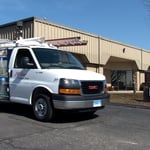
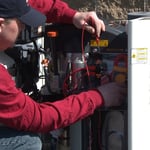
Variable Refrigerant Flow Cold Weather Heat Pump in East Lyme
VRF Cold Weather Heat Pump in Groton
Additional Photos
Additional Photos
Response time8 hrs
28 neighbors recently requested a quote
Recommended by92%of homeowners
Gary C Fisher
4.8(
12
)
Electrical Switches, Outlets & Fixtures - Install or RepairElectric Vehicle Charging Station Installation - Materials Not ProvidedCeiling Fan - Install+3 more

Serving Ivoryton, CT and surrounding areas

Approved

In business since 1990

Free estimates

Credit card accepted

"Gary helped us out right awayâ ¦very friendly, and efficient. We intend to be using his expertise again. He was a pleasure to meet and will be our go to electrician when we need electrical help."
Response time12 hrs
9 neighbors recently requested a quote
Recommended by90%of homeowners
...
Showing 1-10 of 170
Electrical FAQs, answered by experts

The most common type of electrical outlet is a 3-prong outlet, which has two flat blades (one is wider than the other) and a round grounding pin. Older homes typically have 2-prong outlets that aren’t as safe as more modern options and are generally not up to current electrical codes.  Other outlets you can find in your home include 20A, 125 volt varieties for larger appliances like refrigerators or washing machines. 

There are also GFCI outlets, which protect against electrical shock in wet areas, such as bathrooms and kitchens, and arc fault circuit interrupter (AFCI) outlets, which protect against electrical fires caused by arcing.

No. Blue wires and black wires are different. Even though both are used as hot wires, they serve different functions. Black wires are far more common in residential properties. They are always hot, can be positive or negative, and usually carry electricity from a power source to an outlet. Blue wires have a specialized usage in residential properties, generally as traveler wires, and are more common in commercial properties.

The key difference between a circuit breaker versus a surge protector is that circuit breakers shield your entire electrical system from overcurrents and faults, while surge protectors defend your electronic devices against voltage surges and spikes. A circuit breaker interrupts the flow of electricity in a circuit when it detects an overload or short circuit, protecting the wiring from damage and preventing fires. In contrast, a surge protector shields electronic devices from voltage spikes, such as those caused by lightning strikes or power surges, preventing damage to the device’s inner mechanics.

If you encounter any issues or feel unsure about your abilities, stop immediately and contact a licensed electrician for help. It's better to be safe than sorry when it comes to electrical work, as mistakes during the wiring process can be hazardous to your home and personal safety.

Smart light switches are designed to be compatible with most lights and traditional home wiring, but there are several key factors to check. First, verify your home's wiring, as some smart switches require a neutral wire to operate, which may not be present in older houses (often built before 1985). Always check the wiring requirements for the specific model you choose. Second, consider your light bulbs; while smart switches work with almost any light, using a dimming feature requires dimmable bulbs, such as dimmable LEDs. Finally, ensure you have the necessary network connection. Most smart switches need a Wi-Fi connection for remote control, but some older models might use other standards like ZigBee, which would require a compatible hub.

The Ivoryton, CT homeowners’ guide to electrical services

From average costs to expert advice, get all the answers you need to get your job done.