





Top-rated electricians.

Best electricians near Essex, CT

Enter your zip and get matched with up to 5 pros

TRUSTED BY ESSEX, CT HOMEOWNERS

  • Average homeowner rating star icon4.6
    Average homeowner rating
  • Verified reviews icon369
    Verified electrical services reviews

Top-Rated Electricians in Essex - Updated Nov 2026

Avatar for Cawiamca Heating, Cooling, and Electrical
Cawiamca Heating, Cooling, and Electrical
5.0(
97
)
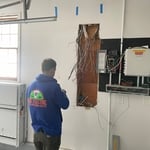
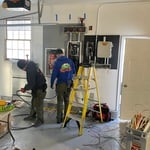
Electrical Wiring or Panel UpgradeElectrical Switches, Outlets & Fixtures - Install or RepairElectrical for Home Addition or Remodel - Install+12 more

Serving Essex, CT and surrounding areas

Approved

Super Service Award Winner

In business since 2014

Free estimates

Emergency services offered

"John Valero and his partner did an EXCELLENT job. John was professional to work with from the beginning of the project through completion. He was extremely reliable (always showed up on time) and worked with my timeline. I would highly recommend Cawiamca Electrical and John to anyone needed electrical work."
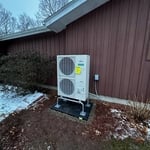
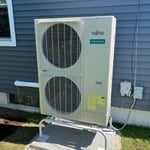
Variable Refrigerant Flow Cold Weather Heat Pump in East Lyme
VRF Cold Weather Heat Pump in Groton
Additional Photos
Additional Photos
Response time8 hrs
34 neighbors recently requested a quote

Recommended by91%of homeowners
Avatar for Biagiarelli Electric
Biagiarelli Electric
5.0(
8
)
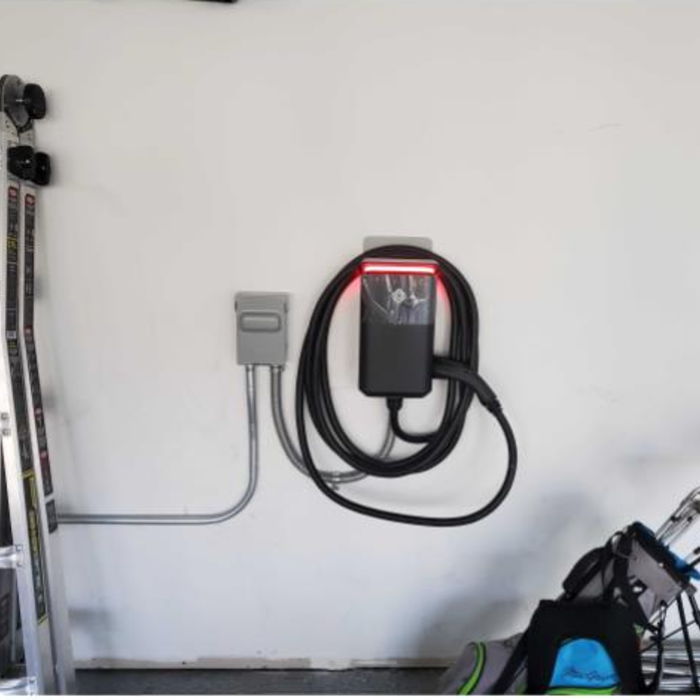
Electrical Switches, Outlets & Fixtures - Install or RepairElectrical Wiring or Panel UpgradeElectric Vehicle Charging Station Installation - Materials Not Provided+2 more

Serving Essex, CT and surrounding areas

Approved

In business since 2018

Free estimates

Emergency services offered

"If you are looking for an excellent electrician, start with this company first! I found Ben to be knowledgeable and professional. He did an inspection of our electrical issues and came back promptly and took care of the repairs. He made sure that everything was safe. I also feel that he did not overcharge me. He promptly provided a report to the Bldg Inspector, which was required for occupancy after our fire."
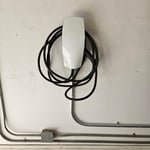
Our Projects
Our Projects
Response time5 hrs
20 neighbors recently requested a quote
Recommended by71%of homeowners
...
Showing 1-10 of 168
Electrical FAQs, answered by experts

GFCI stands for Ground Fault Circuit Interrupter, a standard safety addition to home power outlets. In rooms where moisture is more likely, like the bathroom and kitchen, GFCI outlets stop the current when certain kinds of shorts are detected, preventing shocks. Both GFCI and the similar AFCI (Arc Fault Circuit Interrupter) outlets are polarized and have clear indicators on the receptacle where hot wiring should go.

Hiring a professional for attic fan installation or replacement is highly recommended to ensure safety, proper ventilation, and effectiveness without damaging your roof. The type of professional needed can vary based on the fan type and project specifics.

  • HVAC Technicians: They understand airflow and ventilation principles, making them well-suited for the job.

  • Roofers: Experienced roofers are ideal for roof-mounted fans, as they can ensure a watertight installation.

  • Electricians: A licensed electrician is essential if new wiring is needed, or for replacing solar or electric attic fans to safely handle the electrical connections.

  • Carpenters: They may be needed to install gable vent fans or to ensure a new fan fits the existing structure correctly.

  • Handyperson: For a simple replacement of an old fan with no wiring or structural modifications, a handyperson might be an option.

Window ACs use 500 to 1,400 watts per hour of electricity, while mini-splits use 500 to 700 watts per hour. However, if you need to cool multiple zones in your house, your mini-split can use as much as 2,000 watts per hour. How often you run your system will impact how much electricity you use (and how much you pay per month).

Multiple wire sizes are used for residential electrical purposes. While the most common sizes used in homes are 14 and 12 gauge, some appliances, such as stoves, electric water heaters, central air units, etc., may use larger gauge wire to accommodate their larger amperage. Typically, larger appliances require 10-, 8-, or 6-gauge wires.


No, outdoor outlets are not required to be on a separate circuit. However, you should always defer to local electrical codes when making decisions about how to install your new outlet. An experienced local electrician will be able to inform you of all codes and requirements in place at your home.

The Essex, CT homeowners’ guide to electrical services

From average costs to expert advice, get all the answers you need to get your job done.