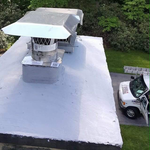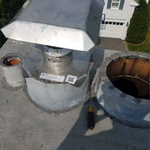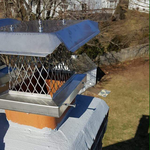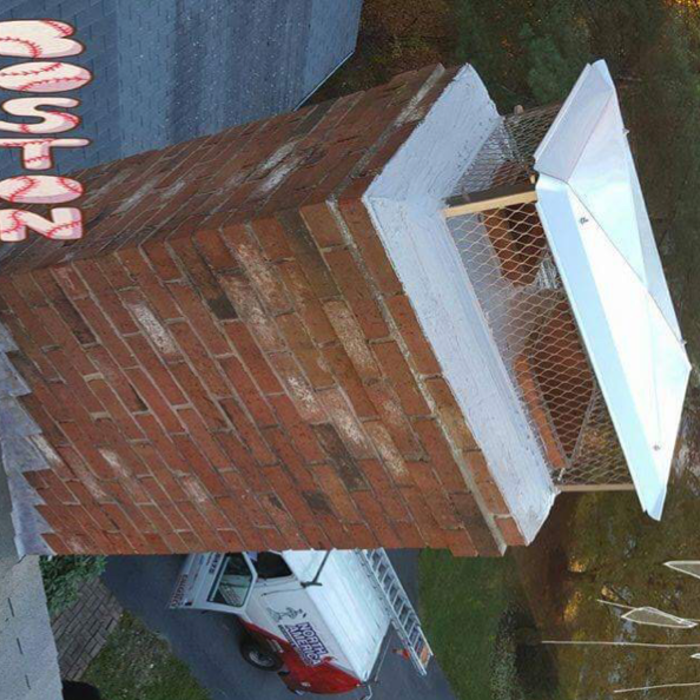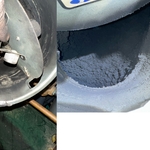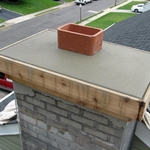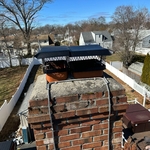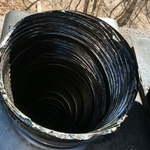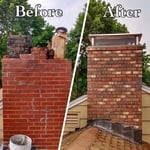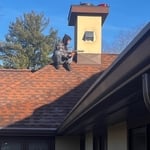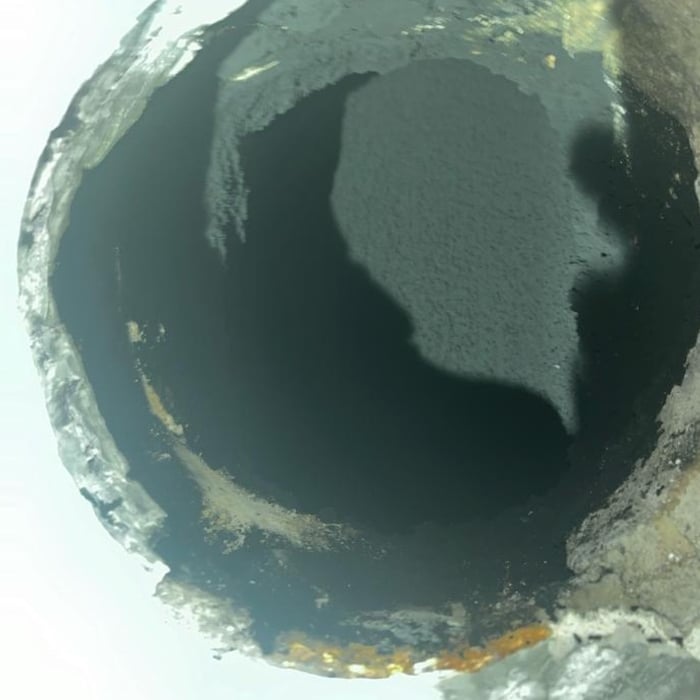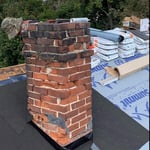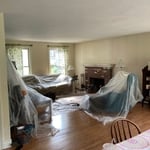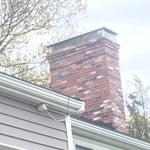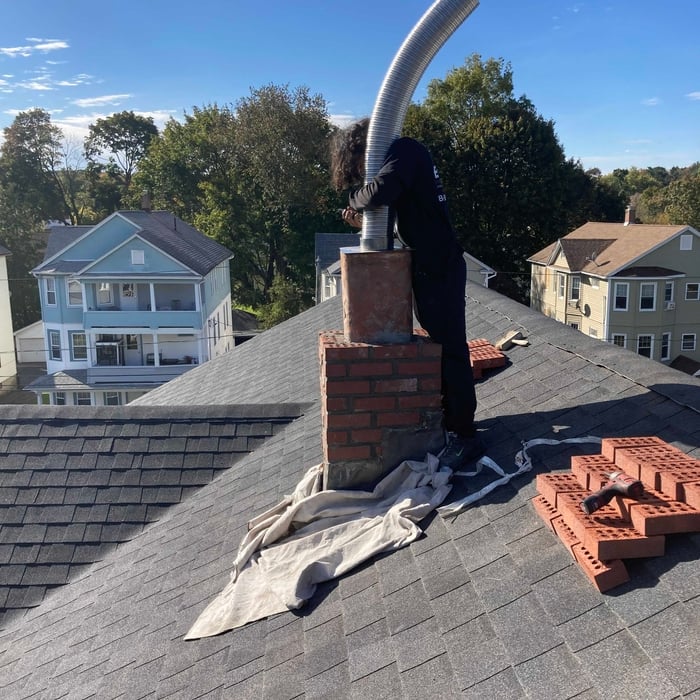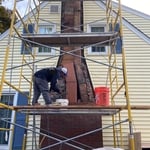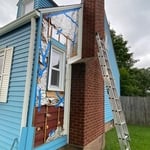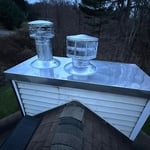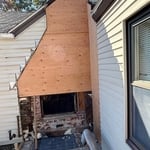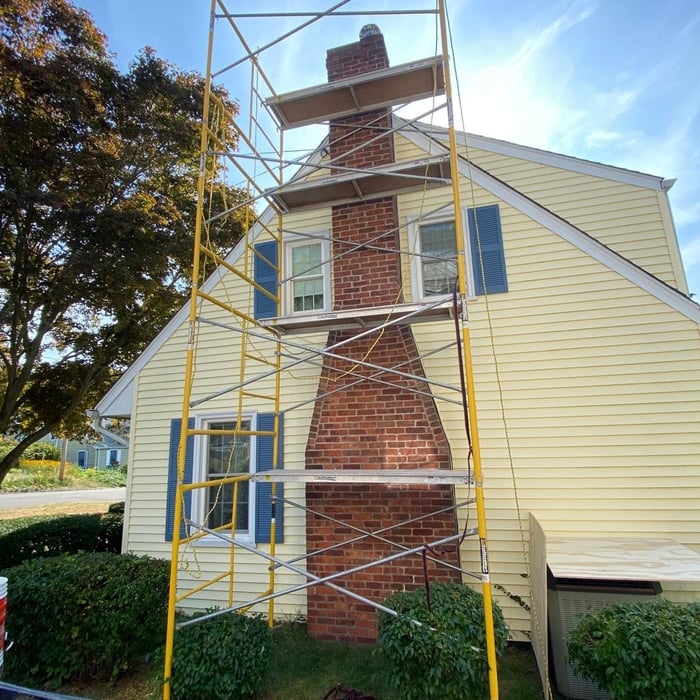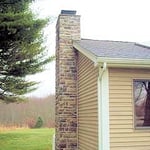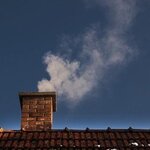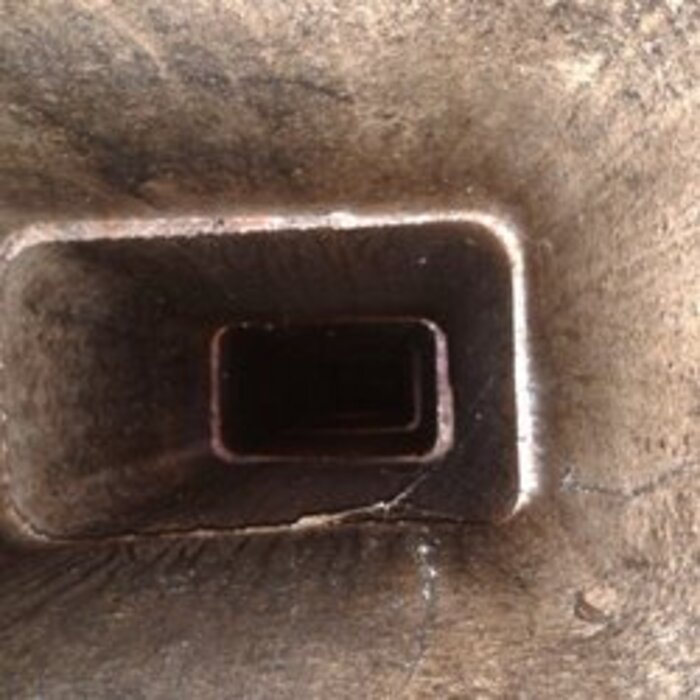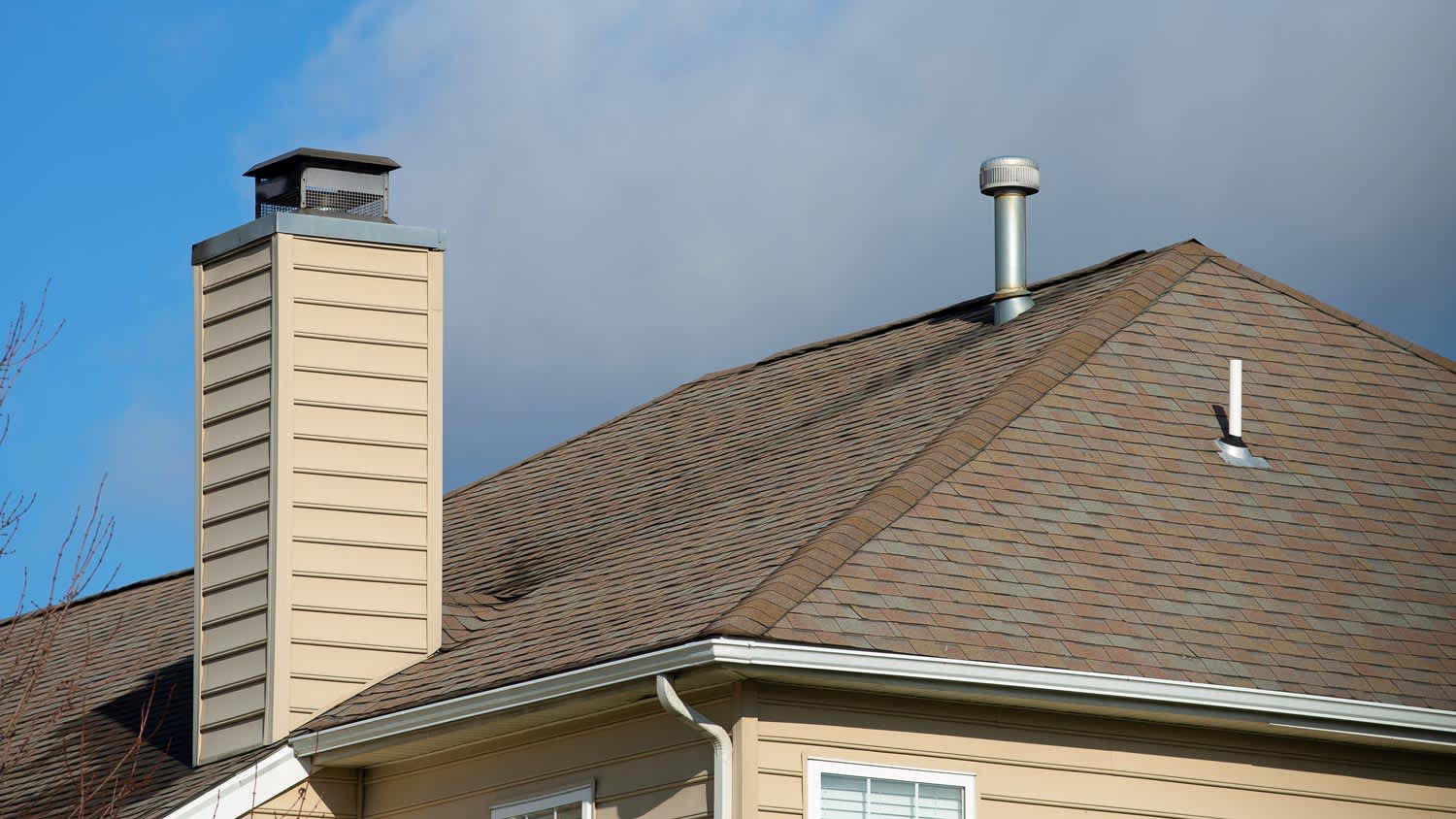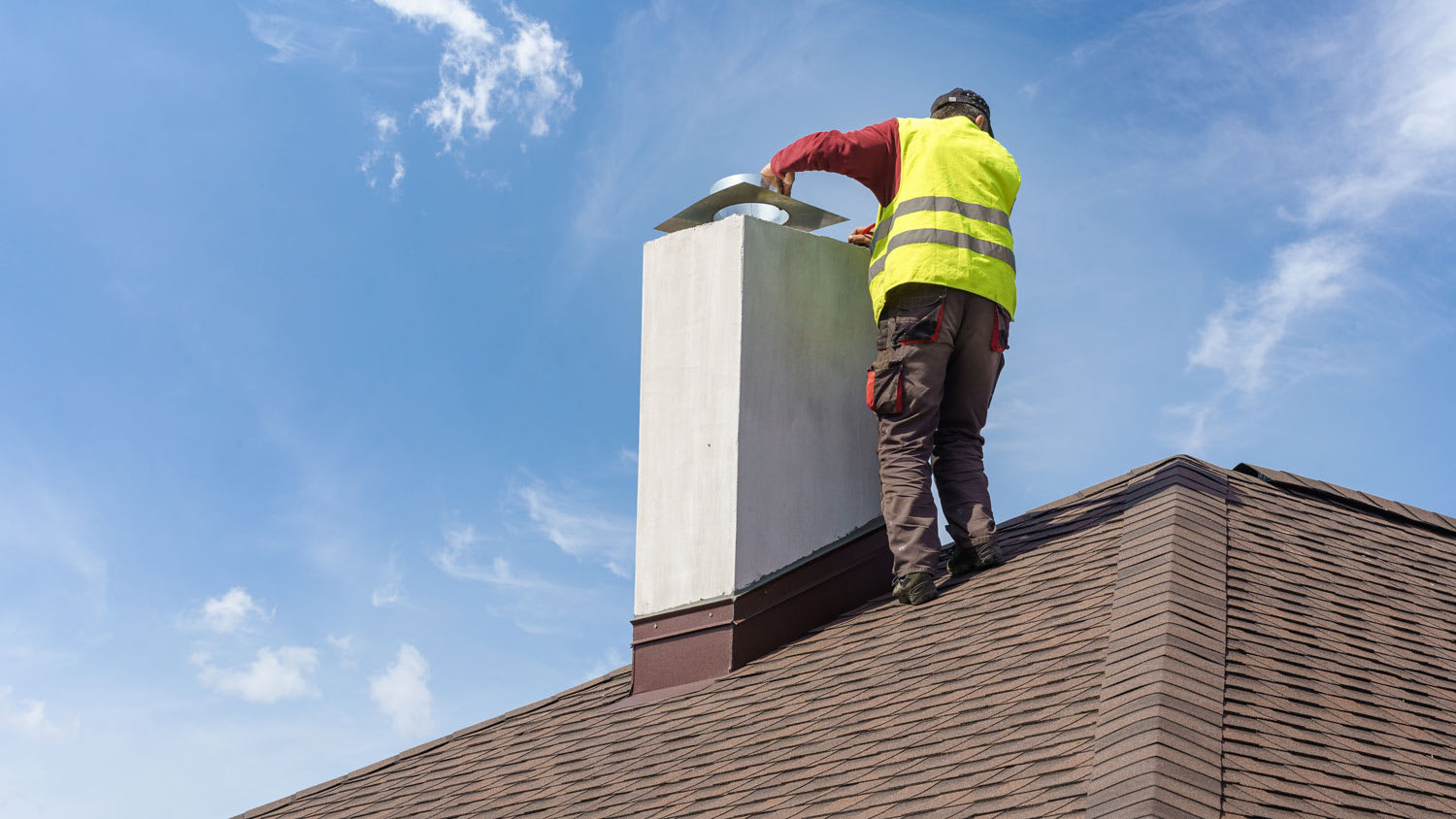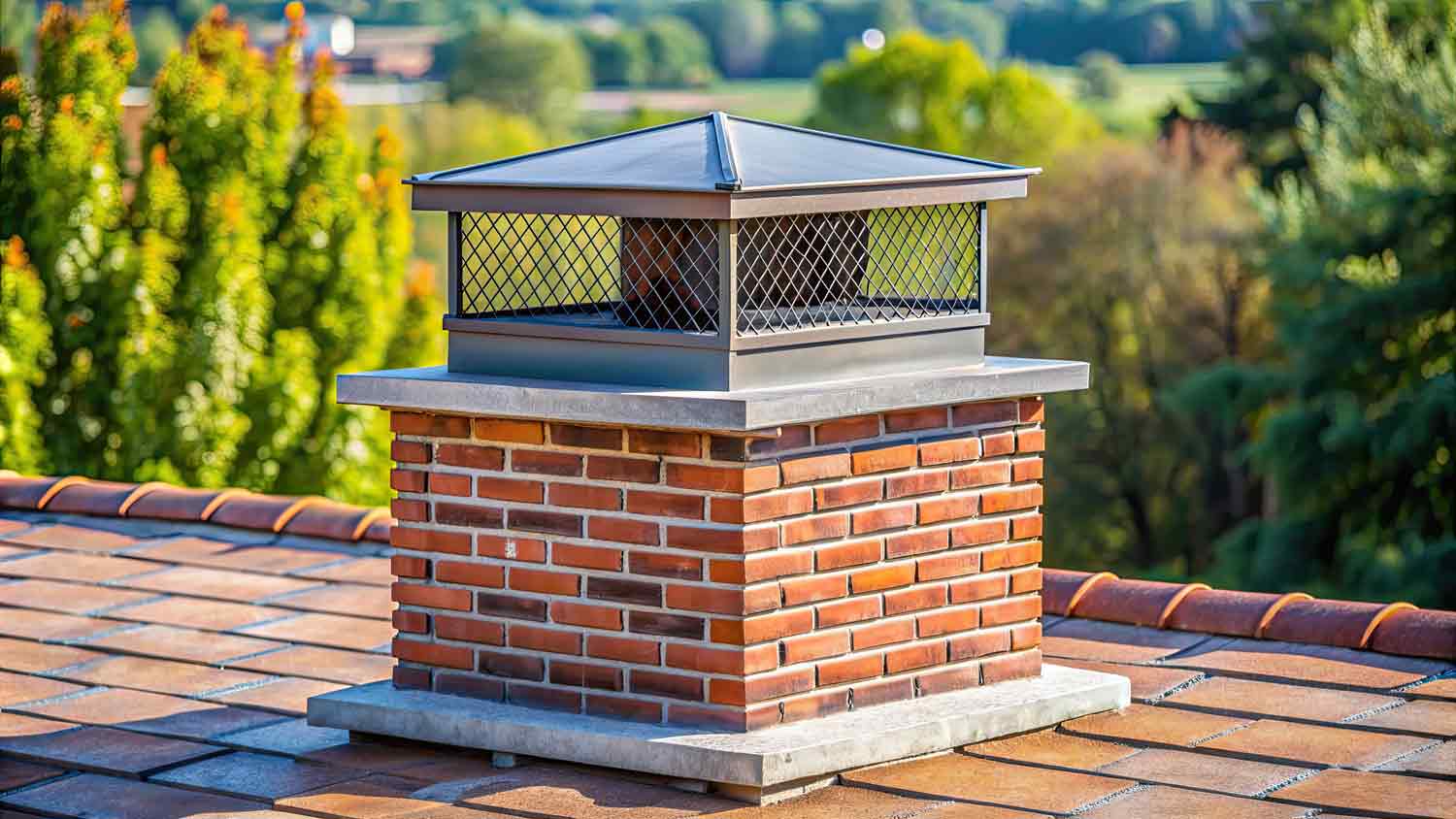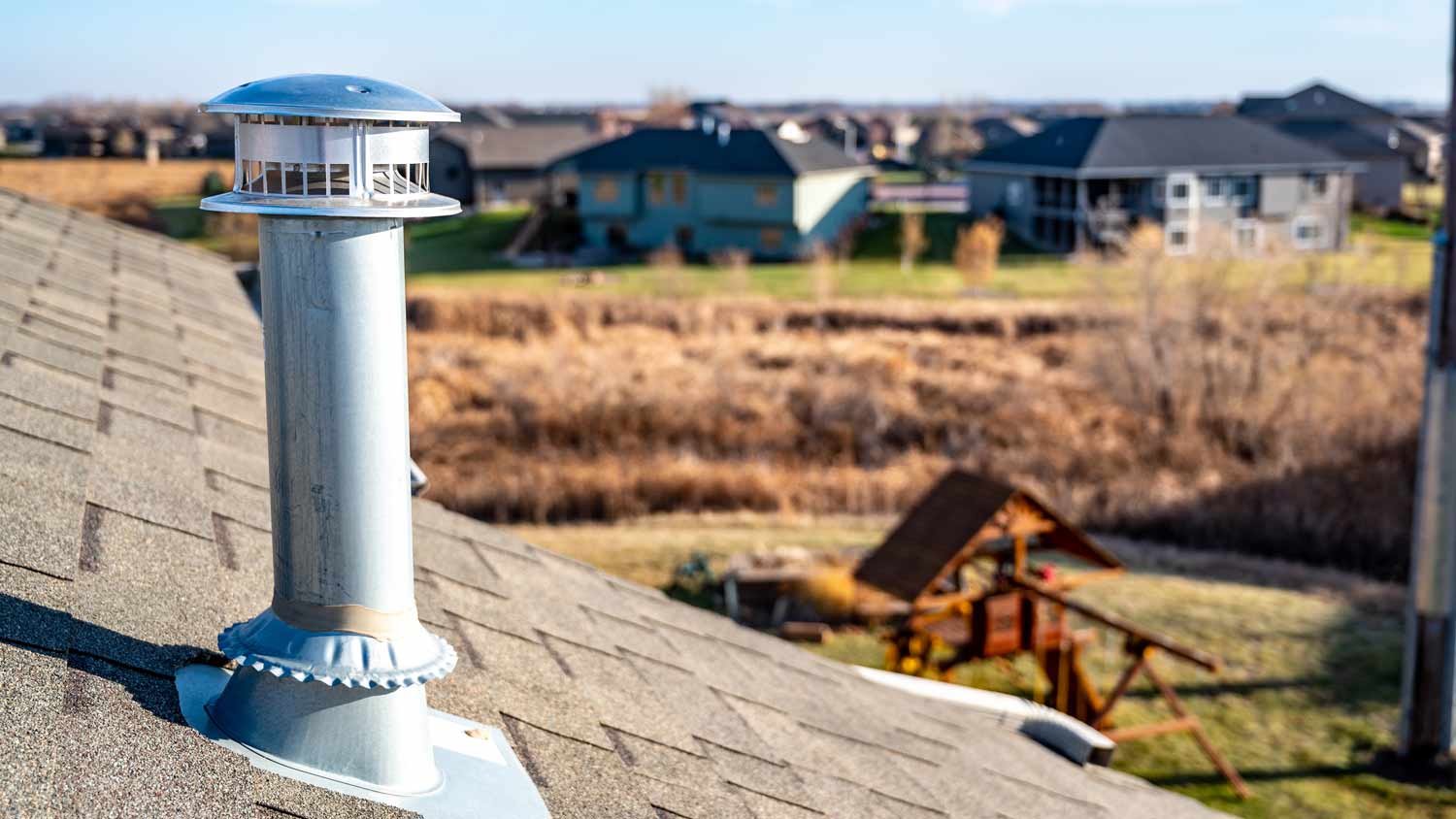




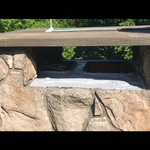
"The technicians showed up the next day to give us a quote, and then (once we agreed to the quote) they were able to start work immediately (same day). They installed a chimney cap, sealed two other old chimney pipes (no longer in use), sealed the stone of the chimney itself and also installed a flexible crown seal. It was more than we thought to have done on the chimney, but the peace of mind is worth it. They finished in about 1.5 hours and did a great job. Would hire again."
"Gil, Nick, and Scott were courteous, professional, and knowledgeable. They were always "cleaning as they went along" and after each day (3 days of work total), you wouldn't even know they were there."
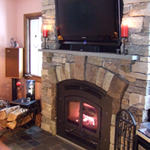
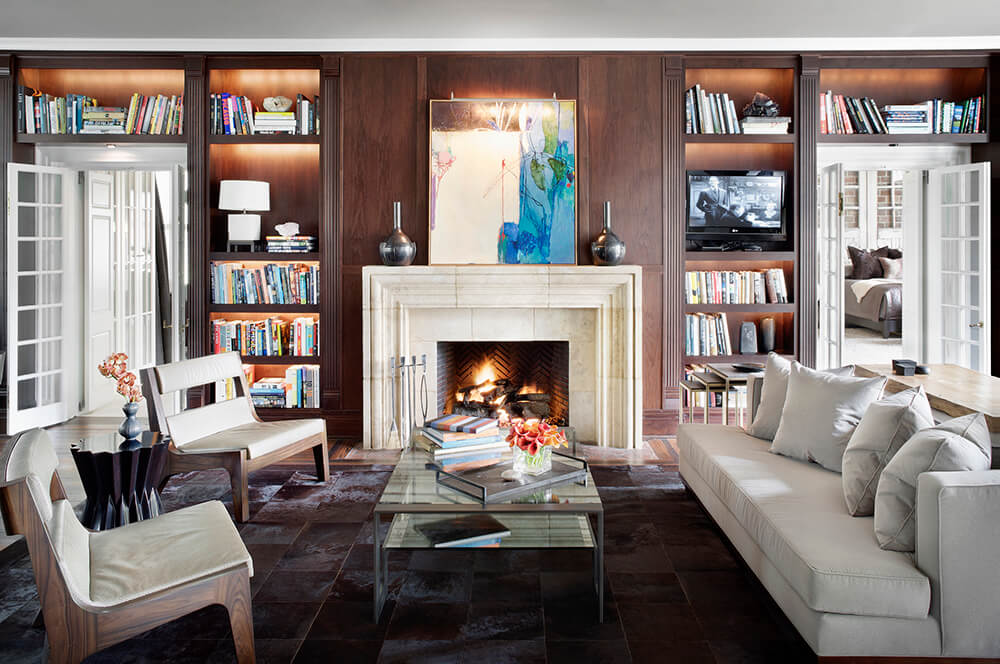
"Got a reasonable quote for a professional job. Had a fireplace insert installed. My contact was very knowledgeable and respectful. Kept everything clean during and after. Great crew."
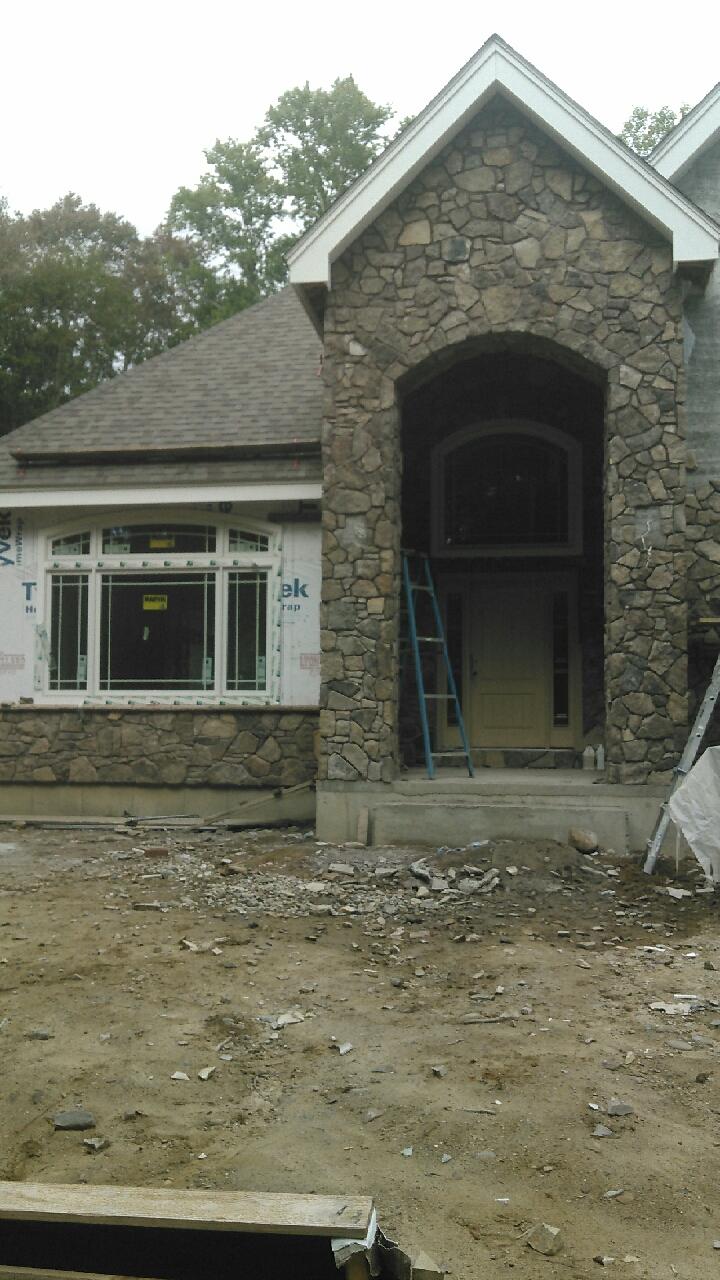
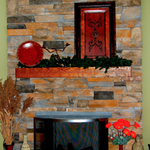
Cutting stone makes this a messy job due to the dust created. However, Larry & Jason did everything possible to keep the dust down and the final product was beautiful and more than we could have hoped for! We are extremely happy and satisfied with the timeliness and quality of the work.
No, range hoods do not necessarily have to be vented outside. Ductless or non-vented range hoods are available, which are common in condos or small kitchens where connecting to external ductwork isn't feasible. These hoods operate by taking in air, filtering it through charcoal filters to help eliminate smoke and odors, and then recirculating the cleaned air back into the kitchen. However, while these recirculating hoods are more versatile, venting to the outside is still the preferred and more effective method for completely removing smoke, odors, and gases from the room.
Ensures safe electrical connections and proper venting, improving kitchen air quality.
Most residential range hoods have a CFM between 200 and 600. A higher CFM means your range hood is better at removing smoke and odors from your kitchen. The measurement ultimately depends on your stove’s width and heat output as well as the size of your kitchen.
Compared to the average size of a stove and kitchen, 350 CFM would be the minimum recommended rating for the average kitchen. However, selecting a higher CFM range hood would guarantee better ventilation to match your cooking habits, whether they’re minimal or extensive.
Smooth galvanized metal ducting is best and safest for venting a hood range. It’s best to avoid flexible and corrugated types of ducting, as these options don’t provide ample airflow and may not meet local code. For specific advice on which type of duct might be best for your kitchen, reach out to a range hood installation professional.
If a range hood has minor issues, the average repair costs $85 to $210. This accounts for both parts and labor. More extensive damage can cost as much as $300 to $500, at which point it may be worth considering completely replacing the range hood.
The Haddam, CT homeowners’ guide to chimney cap services
From average costs to expert advice, get all the answers you need to get your job done.
Sealing your chimney is one of the most affordable ways to prevent water from penetrating the bricks. This guide breaks down the cost to seal a chimney.
The average cost to repair or replace a chimney crown depends on the damage, material, and any other chimney maintenance services bundled into your project.
Not all chimneys have caps, but most fireplaces can benefit from having one. But what is a chimney cap, and why is it important? Our guide breaks it all down.