

Top-rated ceramic tile pros.

Best ceramic tile pros near Colchester, CT

Enter your zip and get matched with up to 5 pros

Need a pro for your ceramic tile service project in Colchester, CT?

Select your specific project to find the pro for you.

TRUSTED BY COLCHESTER, CT HOMEOWNERS

  • Average homeowner rating star icon4.7
    Average homeowner rating
  • Verified reviews icon44
    Verified ceramic tile services reviews

Top-Rated Ceramic tile pros in Colchester - Updated Nov 2026

Three Four Five Stone Masonry, LLC
4.8(
34
)
Tile: Ceramic and Porcelain - Install

Serving Colchester, CT and surrounding areas

Approved

In business since 2015

Free estimates

Customers say: Quick response

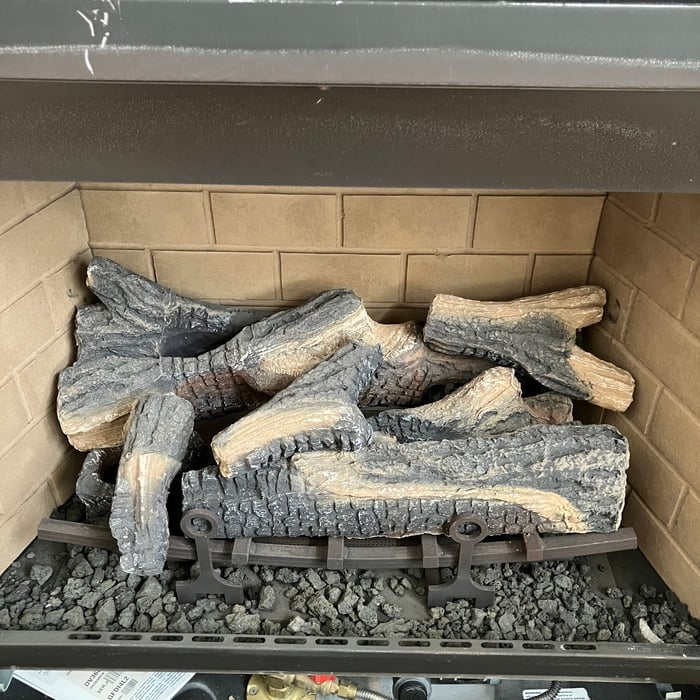
"John did an absolutely outstanding job on the tile work for our fireplace. From start to finish, he was professional, courteous, and incredibly easy to work with. His attention to detail and craftsmanship truly show in the final result—the fireplace looks beautiful and exceeded our expectations. John communicated clearly, respected our space, and made the entire process smooth and stress-free. We couldn’t be happier with his work and would highly recommend him to anyone looking for high-quality tile work done right. We will be using him for our bathroom next!"
Response time9 hrs
Recommended by92%of homeowners

...
Showing 1-10 of 157
Ceramic Tile FAQs, answered by experts

If you hire a professional to lay tile, you can expect to pay $3 to $15 per square foot for labor. For a 100-square-foot tiling project, that would equal $30 to $150 in labor. These costs may increase if you need extra services (such as tile removal, wall repair, or waterproofing). For example, tile removal costs an additional $2 to $7 per square foot.

Glazed ceramic tiles don’t need to be sealed because the glazing already offers some protection against moisture. Unglazed ceramic tiles need to be sealed to keep the porous tile safe from moisture and staining. However, both types of tile can benefit from sealing. Sealant can make the tiles easier to keep clean and offer more resistance to water, spills, and stains.

Regrouting is cheaper than retiling, and it involves less work. Grout is available in a wide range of colors, making it a cost-effective way to improve the look of any tiled area in your home.

Grout and caulk are commonly used together, especially in bathrooms. Grout goes between the tiles and keeps them sturdy and in place on the walls or floor. Caulk goes in corners or where two different materials meet (like where the bathtub meets the tile) to create a waterproof seal. However, they are not interchangeable—you shouldn't use caulk to adhere tile and shouldn’t use mortar if you need a waterproof seal.
Different types of tile cutters may work best depending on the type of tile you are cutting and the size of your project. There are two main types of tile cutters: manual and electric. Manual tile cutters are quick and easy to use for small projects and softer tile materials, but they can only make straight cuts. Electric tile cutters make light work of big projects and can cut through harder materials.
The Colchester, CT homeowners’ guide to ceramic tile services

From average costs to expert advice, get all the answers you need to get your job done.