







Top-rated wrought iron workers.

Best wrought iron workers near Clinton, CT

Enter your zip and get matched with up to 5 pros

Need a pro for your wrought iron service project in Clinton, CT?

Select your specific project to find the pro for you.

Top-Rated Wrought iron workers in Clinton - Updated Nov 2026

Avatar for Fence Builders USA
Fence Builders USA
4.6(
8
)
Wrought Iron Fence - InstallWrought Iron Fence - Install - For BusinessWrought Iron Fence - Repair or Weld+1 more

Serving Clinton, CT and surrounding areas

In business since 2022

Free estimates

Warranties offered

"The job: replace an 88' long, 6' high wood fence. The man who came to assess the job and provide an estimate was thorough and knowledgable, and explained things well. He gave me several useful options to choose from and answered my questions. The work was scheduled for less than 2 weeks after I agreed to the contract and the 3 workmen arrived as scheduled. We aer very happy with the end result."
Response time2 days
Recommended by85%of homeowners
Showing 1-10 of 39
Wrought Iron FAQs, answered by experts

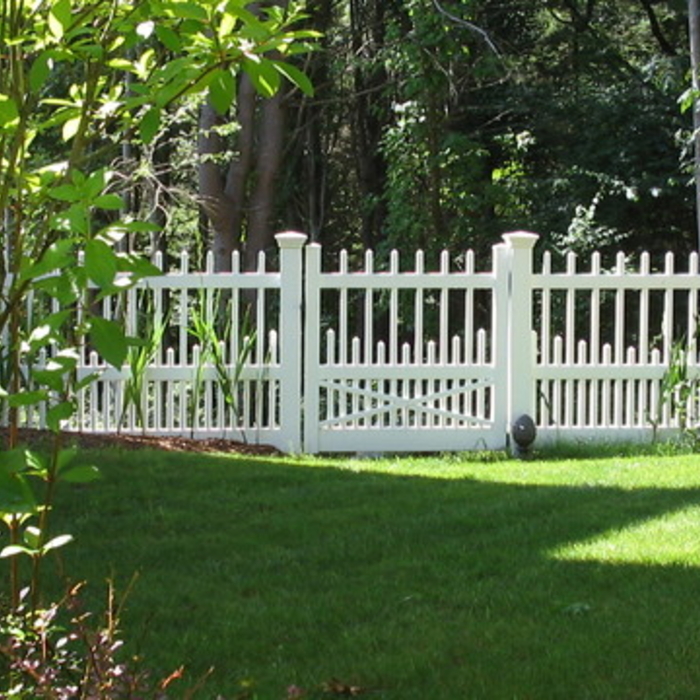
Pickets should sit at least 2 inches off the ground to encourage groundwater to flow underneath. Pickets can sit as much as 6 inches off the ground, but setting it any higher could let pets in or out of your yard unintentionally. These are not to be confused with the fence posts anchored underground with soil or concrete footing.

Generally, the height of your dog fence should be 3 times the distance from the ground to your dog’s shoulder. For most small breeds, a 4-foot high fence will be more than enough to keep them from jumping out. Medium-sized breeds like Golden Retrievers, Labradors, and German Shepherds will need at least a 5-6 foot fence to stay contained. Large breeds that are also excellent jumpers, such as Greyhounds, may need a 7-foot high fence. 

Installing a fence when the ground is frozen presents challenges, but it's possible with the right approach. First, mark and measure the fence line accurately. Use a power auger or manual post-hole digger to create holes in the frozen ground, ideally when it's less rigid during warmer parts of the day. Consider using pre-made fence post anchors or driving metal posts into the ground. Ensure posts are secure with concrete for stability. Allow extra time for the concrete to cure. Additionally, be cautious of frost heave, which may affect post-alignment. Installing in milder winter conditions is often more manageable.

You’ll need to bury the garden fence about 1 foot underground. It’s tempting to save on materials by burying the fence just a couple of inches, but if you do so, determined pests will still be able to dig under the fence and access your plants. Burying your garden fence deep into the soil is an important step that allows you to attach a wire barrier to the fencing. 

Burrowing animals (like voles, moles, rabbits, and gophers) can’t dig or chew through this wiring, meaning that you’ll be keeping your prized petunias or your robust veggie garden from being eaten.

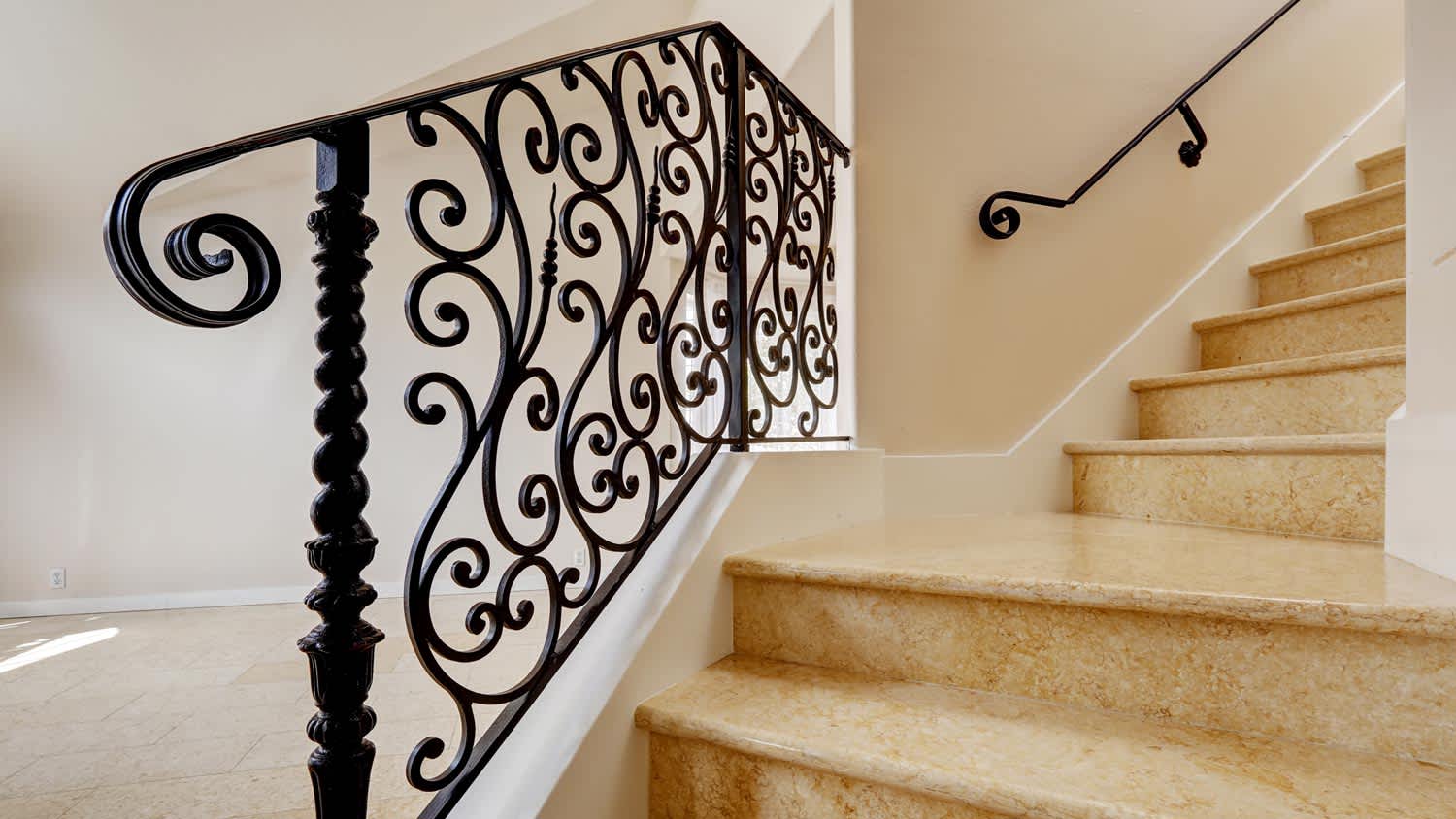
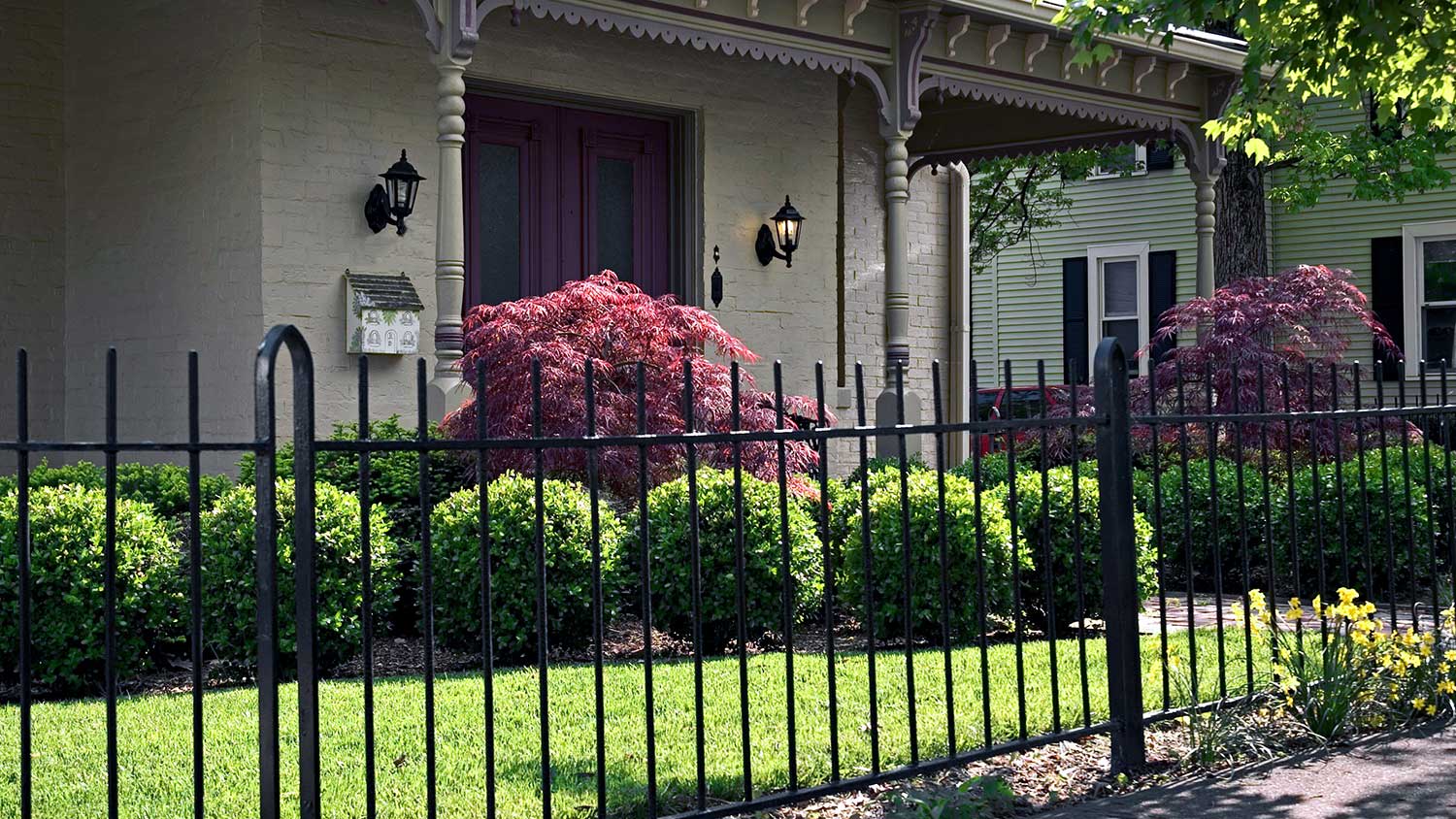
Most homeowners who install a wrought iron fence do so because it provides security. The material is sturdy and deters intruders from entering your property. They're also built to last and won't rust if you purchase a galvanized iron fence. So, you don't have to worry about replacing fencing every few years like you might with wood or other less expensive materials. Most homeowners also adore the look of wrought iron fencing, which adds a timeless look to just about any style home.

The Clinton, CT homeowners’ guide to wrought iron services

From average costs to expert advice, get all the answers you need to get your job done.