





Top-rated arborists.

Get matched with top arborists in Canaan, CT

Enter your zip and get matched with up to 5 pros

Need a pro for your arboricultural service project in Canaan, CT?

Select your specific project to find the pro for you.

TRUSTED BY CANAAN, CT HOMEOWNERS

  • Average homeowner rating star icon4.8
    Average homeowner rating
  • Verified reviews icon25
    Verified arboricultural services reviews

Find Arborists in Canaan

Avatar for Kyle & Roxy Properties LLc
Kyle & Roxy Properties LLc
New to Angi
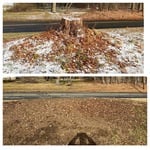
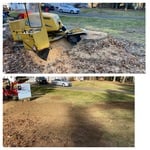
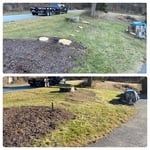
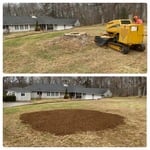
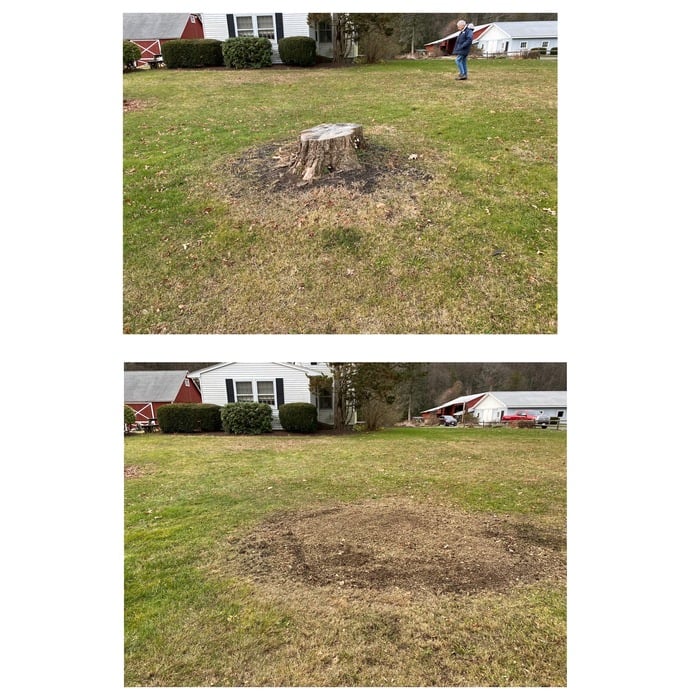
Tree RemovalTree Stump - Remove

Serving Canaan, CT and surrounding areas

Approved

Free estimates

Small jobs welcome

Offers commercial services

🚛 I’m excited to share that I’ve started my own junk removal business!\n\nHave unwanted items taking up space in your home, garage, yard, or rental property? Give me a call and let’s get it cleaned up!\n\nI’m also offering dump truck services and will be providing snow plowing when winter arrives. Whether you need something hauled away or help keeping your driveway clear, reach out to discuss the job.\n\n📞 Call or text: 959 282 4994\n📩 You can also message me here on Facebook!\n\nEven if you don’t need these services right now, sharing this post or passing my number along would mean a lot. Thank you for supporting my new business!

1 neighbors recently requested a quote
...
Showing 1-10 of 85
Arborists questions, answered by experts

The amount of time it takes for a tree trunk to rot depends on several factors, including the tree’s size, species, and environmental conditions. It can take anywhere from a few years to several decades for a tree’s trunk to rot. A tree stump, on the other hand, can take up to 10 years to disappear after it’s decayed naturally.

Yes, it’s okay to trim low branches on a tree, also known as limbing up or raising the crown. Essentially, you’ll trim the lower third of the tree (trunk) and leave the upper two-thirds of the tree (crown). Arborists recommend trimming 20% of a tree’s leaves per season for two to three seasons. Trimming low branches allows light to flow through the tree, increasing circulation and making the tree stronger and healthier.

The speed of your tree root removal process depends on a few different factors, including the size and type of tree. However, the fastest method of killing tree roots is applying chemical herbicide, which starts working quickly and efficiently. But this removal method has its drawbacks, such as having a negative effect on the surrounding vegetation and landscaping. Other options like rock salt and stump grinding work relatively quickly and cause less damage to your yard.

The best time to prune Japanese flowering cherry trees depends on where you live and the type of flowering cherry tree. Some trees benefit from being pruned toward the end of winter or early spring, after the last freeze. Meanwhile, other trees do well after blooming, in late spring or early summer. Avoid pruning your flowering cherry tree in the early winter, as this encourages open wounds that can lead to infections or infestations. 

On grafted trees, tree suckers will grow from the root stock, not the branches grafted onto it. Therefore, the leaves and characteristics of the suckers aren’t the same as the tree because they are different varieties. Root stock has more hardiness, strength, or drought tolerance than its grafted limbs, so if the suckers are from fruit or flowers, it might be different than the main part of your tree.

The Canaan, CT homeowners’ guide to arboricultural services

From average costs to expert advice, get all the answers you need to get your job done.