

Top-rated arborists.

Get matched with top arborists in Colebrook, CT

Enter your zip and get matched with up to 5 pros

Need a pro for your arboricultural service project in Colebrook, CT?

Select your specific project to find the pro for you.

TRUSTED BY COLEBROOK, CT HOMEOWNERS

  • Average homeowner rating star icon4.5
    Average homeowner rating
  • Verified reviews icon84
    Verified arboricultural services reviews

Find Arborists in Colebrook

Divine Edges Landscaping
New to Angi
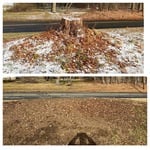
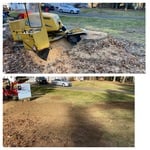
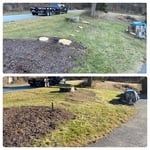
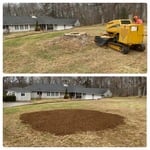
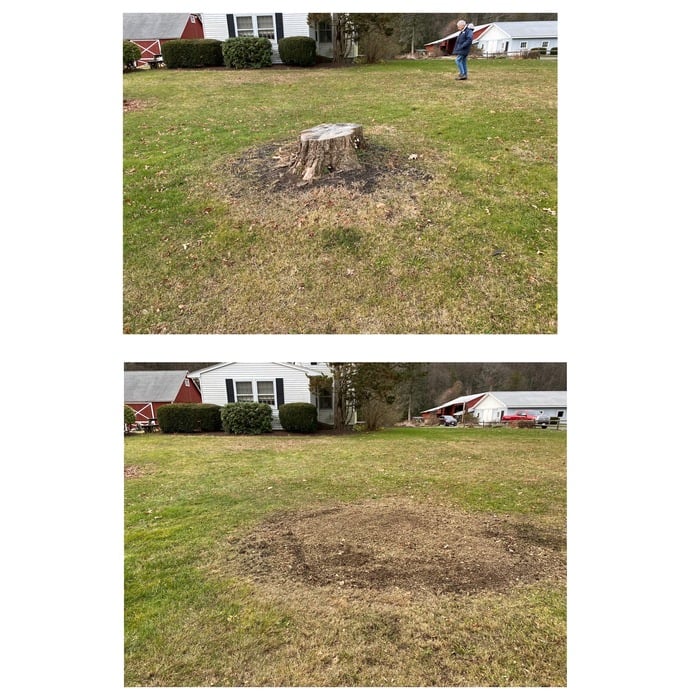
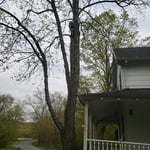
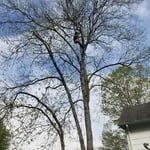
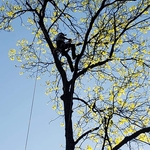
Tree RemovalTree Stump - Remove

Serving Colebrook, CT and surrounding areas

Approved

Hello, my name is Karlos Rivera, owner of Divine Edges Landscaping. We provide reliable lawn care services with a focus on professional mowing and general yard maintenance for residential and commercial properties.\n\nWe take pride in delivering consistent, clean results with attention to detail. Our goal is to keep your lawn looking neat, healthy, and well-maintained throughout the season.\n\nWe value punctuality, clear communication, and quality work on every visit. Each property is treated with care, and we make sure the job is done right from start to finish.\n\nCustomer satisfaction is important to us, and we aim to build long-term relationships through dependable service you can trust.\n\nThank you for considering Divine Edges Landscaping. We look forward to serving you.

...
Showing 1-10 of 92
Arborists questions, answered by experts

Trees aren't big fans of moving, and they do go into shock during a transplant. Although most carefully thought-out tree transplants see the tree recover from the shock just fine, there is always a risk of having an unsuccessful move. Proper preparation, timing, and diligent aftercare are crucial to minimize the risks when transplanting a tree.

Carefully pruning small roots no thicker than three inches in diameter won’t harm the tree. However, cutting larger roots may impact the tree's stability and nutrient absorption. It's advisable to consult an arborist or tree care professional to evaluate the root's size, the tree's health, and the potential impact of cutting. Proper tree pruning techniques and timing can minimize damage, but larger root removal may necessitate expert guidance to avoid compromising the tree's overall health and stability.

In most cases, your neighbor is responsible for roots from their tree that cause damage to your property. If your pavement, the foundation of your home, or a fence is damaged by roots from a neighbor’s tree, you likely will have legal recourse for financial relief. While it’s better to notify your neighbor of any problems you notice as soon as they arise to avoid costly damage, there are some instances where filing a civil suit is your only recourse. Your homeowner’s insurance company might wish to do so on your behalf if you file a claim.

We recommend removing the stump, and grinding is a popular way to do it. You can also dig out small stumps or stumps that have fully decayed instead of grinding them. However, don’t try using acids or fire for killing a tree stump, which is a fire hazard and illegal in many areas.

Leaving the stump alone invites eventual problems, including attracting termites, mold, and fungi.

Cutting down a dead tree is always strongly advisable. Aside from being an eyesore, a dead tree can be extremely hazardous, especially when it’s near people or structures. Even if the tree isn’t near your home, it can still harbor pests and diseases that can potentially spread to nearby plants and homes.

The Colebrook, CT homeowners’ guide to arboricultural services

From average costs to expert advice, get all the answers you need to get your job done.