



Top-rated excavation pros.

Best excavation pros near Branford, CT

Enter your zip and get matched with up to 5 pros

Need a pro for your excavation project in Branford, CT?

Select your specific project to find the pro for you.

TRUSTED BY BRANFORD, CT HOMEOWNERS

  • Average homeowner rating star icon4.4
    Average homeowner rating
  • Verified reviews icon38
    Verified excavation services reviews

Top-Rated Excavation pros in Branford - Updated Nov 2026

Avatar for American Junk Removal LLC
American Junk Removal LLC
4.9(
14
)
Building Site - Preparation and Clearing - For Business

Serving Branford, CT and surrounding areas

Approved

In business since 2015

Free estimates

Emergency services offered

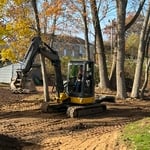
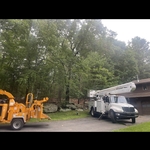
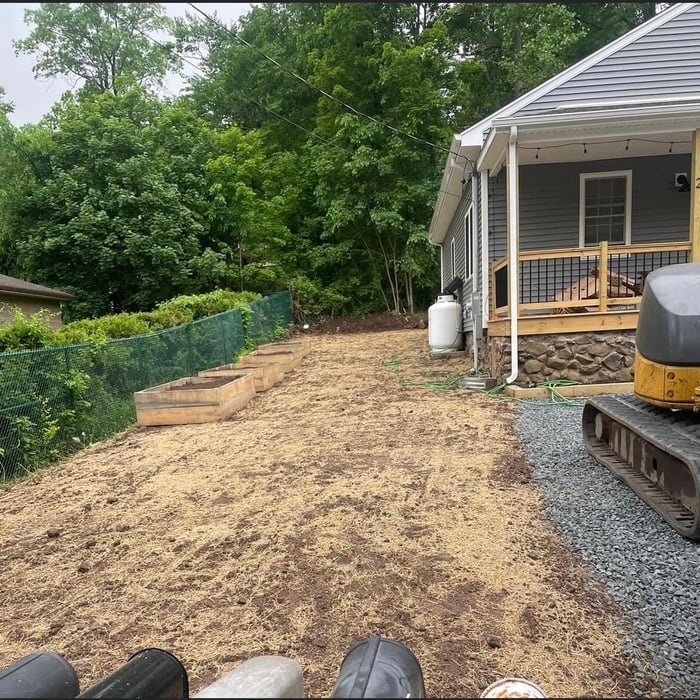
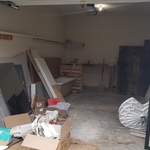
"Adam and his crew were amazing. They cleaned out the junk filled basement of the old house we just moved into. Prompt, friendly, professional setvice and a great value for the money. We also hired them again, to remove brush and overgrown shrubbery from the property a week later. Highly reccomend."
Additional Photos
Additional Photos
Additional Photos
Additional Photos
Additional Photos

+6

11 neighbors recently requested a quote
Recommended by78%of homeowners

...
Showing 1-10 of 117
Excavating FAQs, answered by experts

Yes, an excavation company is the best option for land grading and yard leveling. General landscapers might be able to tackle these projects, but an excavation company will do a better job because they’re used to operating the necessary heavy machinery. Landscapers might opt to do the work manually, which takes much longer and could cost you more in labor fees. Finally, excavation companies will understand local regulations and know when you need permits to legalize the work, while a landscaper might not.
Yes. A metal detector is one of the quickest and easiest ways to find your septic tank. However, metal detectors can be too expensive (costing upward of $300 in some cases), and not everyone has a metal detector just lying around. If that’s the case for you, you can also take a long metal rod and poke it into the ground at regular intervals until you hit something—likely your septic tank lid.

As a general rule, the protected area should be about 1½ times as wide as the canopy of the tree’s leaves. This digging measurement can vary by tree species and the age of the tree. Of course, that can be a lot of fencing for larger trees, which is why our first step is about making difficult decisions on which trees to save.

How deep your septic system needs to be into the ground depends on several factors. In extremely cold environments, the tank needs to rest below the maximum frost line, which can be up to six or eight feet deep. The standard burying depth for most systems is between a few inches and four feet below ground level. Depth can also depend on the slope of the landscaping and other property variables. 

A joint utility trench, or joint trench, is a long, buried ditch on a property that contains two or more utility lines rather than running the lines in multiple trenches. Some utilities, like gas and electric or electric and communication lines, are better suited to joint trenching, while others, like water and sewer, are not allowed to be in the same trench.

The Branford, CT homeowners’ guide to excavation services

From average costs to expert advice, get all the answers you need to get your job done.