




Top-rated drywall insulation pros.

Get matched with top drywall insulation pros in Williamsburg, CO

Enter your zip and get matched with up to 5 pros

Need a pro for your drywall insulation project in Williamsburg, CO?

Select your specific project to find the pro for you.

TRUSTED BY WILLIAMSBURG, CO HOMEOWNERS

  • Average homeowner rating star icon4.9
    Average homeowner rating
  • Verified reviews icon15
    Verified drywall insulation services reviews

Find Drywall insulation pros in Williamsburg

Avatar for EZ Foam LLC
EZ Foam LLC
5.0(
5
)
Blown-In Insulation - Install or Upgrade

Serving Williamsburg, CO and surrounding areas

Approved

In business since 2023

Free estimates

Credit card accepted

We are extremely passionate about the work that we do. You can depend on us to provide a high quality service at a fair and honest price. We understand that the future of our business depends upon our reputation and that is why customer service is by far our highest priority. If you are looking for a professional you can trust, please call today to schedule a no-obligation estimate!

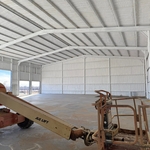
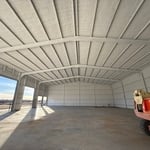
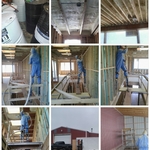
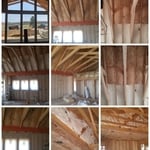
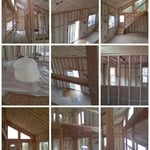
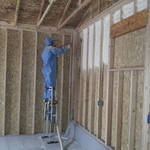
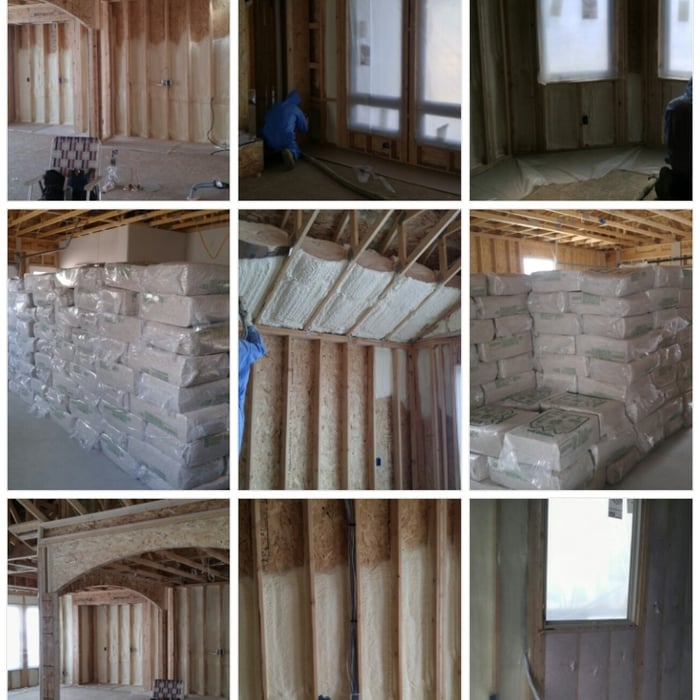
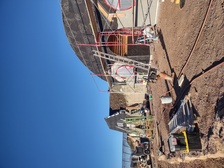
80x100 Barn Project
80x100 Barn Project
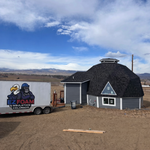
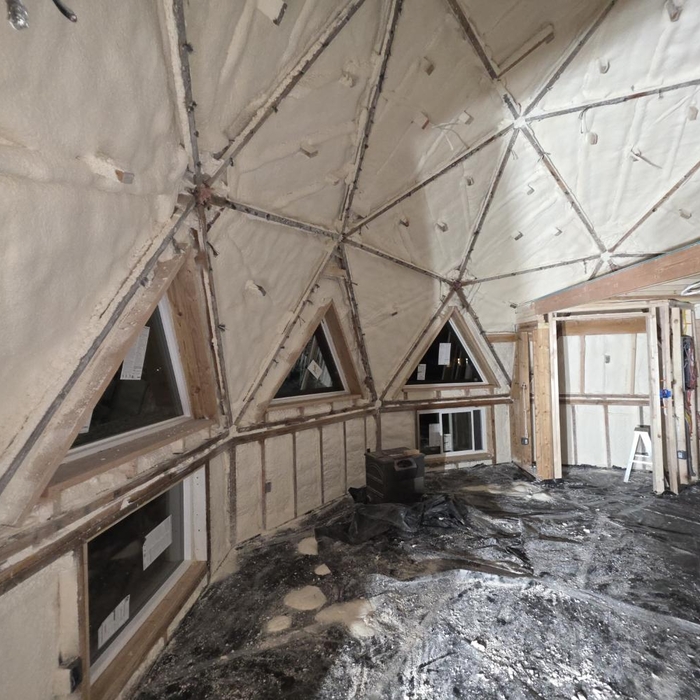
Igloo-style structure

+7

7 neighbors recently requested a quote
Avatar for Community Insulation Drywall, LLC
Community Insulation Drywall, LLC
4.6(
34
)
Blown-In Insulation - Install or UpgradeInjection Insulation - Install

Serving Williamsburg, CO and surrounding areas

In business since 2003

Free estimates

"I had used Community Insulation to add insulation to the attic and was so pleased with their professional service that I requested them to add insulation to the crawl space. I have recommended them several times."
Insulation
Insulation
Insulation
Spray Foam
Spray Foam

+8

Response time40 mins
Recommended by62%of homeowners

Avatar for Sun Country Energy Solutions
Sun Country Energy Solutions
4.4(
58
)
Blown-In Insulation - Install or UpgradeInjection Insulation - Install

Serving Williamsburg, CO and surrounding areas

In business since 2008

Free estimates

Small jobs welcome

"Jeff and Yunae are intelligent, informed, and knowledgeable about all types of insulation. The show up when they say they will, and they have extremely high integrity. They did a beautiful job with the insulation for our house, and I would definitely hire them again!"
Kneewall
Tight Spaces
Air Sealing
Cellulose Insulation
Crawlspace Conditioning

+18

Response time2 days
Recommended by95%of homeowners
Showing 1-10 of 24
Drywall Insulation questions, answered by experts

Although they have similar applications, spackle and joint compound are not the same. Their primary differences lie in their composition, consistency, and ideal use cases.

Spackle is composed of gypsum and binding agents, making it thicker than joint compound. It dries quickly and is easy to sand, which makes it ideal for small wall repair projects like filling nail holes or patching minor damage.

Joint compound, also known as drywall mud, consists of limestone and gypsum. It is primarily used for large-scale projects, such as taping and finishing the seams on newly installed drywall. It tends to shrink more than spackle and can be more difficult to spread.

While both products can be used to fill small depressions and cracks, spackle cannot replace joint compound for taping and mudding new drywall. Conversely, you can often use joint compound for small patching jobs typically done with spackle.

There are six levels of drywall finish, from 0 to 5, that refer to the amount of work performed during the finishing process.

Level 0: Drywall is hung with no finishing work.

Level 1: Tape is placed over the seams between drywall sheets.

Level 2: A thin layer of mud is applied over the tape and screw holes. This level is common for utility rooms or walls that will be covered.

Level 3: A full coat of mud covers the screw holes and tape, but the surface is not sanded. This is often used in garages.
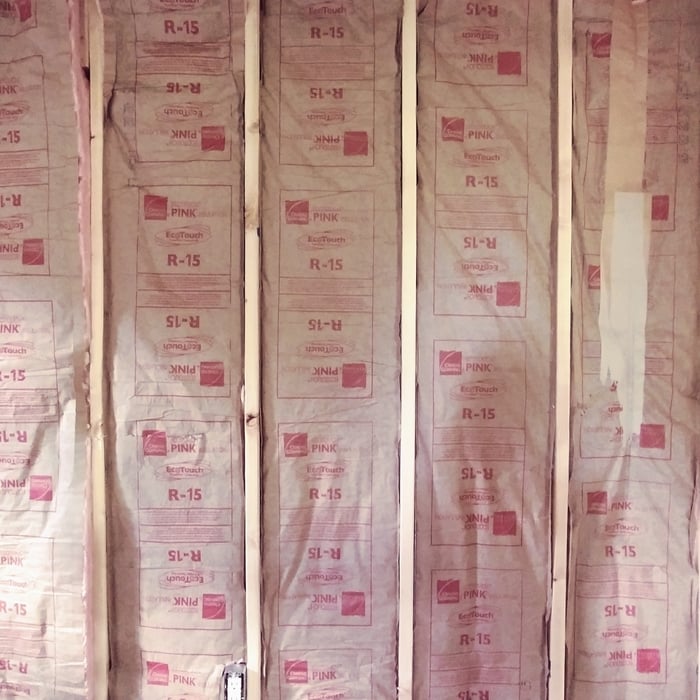
Level 4: This is the most common finish for visible interior walls. It involves applying two coats of mud over seams and screw holes, with sanding between each coat, creating a smooth surface ready for flat paint.

Level 5: This is a high-end finish for luxury homes. It includes full taping, mudding, and sanding, plus a final skim coat over the entire surface before painting.

You should always hang drywall from the top down. Starting at the top makes it easier to create a straight, tight line between the ceiling and the wall. Any gaps that occur will be at the bottom, where they are easier to manage. You can either cut the bottom piece of drywall to fit the remaining space or cover the gap with baseboard trim. Additionally, starting at the top is physically easier, as you won't have to fit the top sheet into a tight space between the lower sheet and the ceiling, or try to balance the upper sheets on the lower ones while securing them.

Drywall insulation costs around $1,800, on average, but prices can range from $500 to $4,500, depending on a few different factors. The following things are important considerations to make when pricing out your insulation project:

  • Square footage of insulation

  • Type of insulation 

  • Climate in your area and the insulation R-value required

  • Whether or not your walls are already finished

  • Accessibility of the area 

  • Whether or not you need old insulation removed first

Your walls are likely cracking due to fluctuations in the temperature outside. Drywall tends to expand and contract when temperatures and humidity levels change, and this repeated movement can lead to cracks in your walls, particularly around door frames. If you have multiple diagonal cracks, you may want to have your foundation inspected, as cracks can also be a sign of a bigger issue.

The Williamsburg, CO homeowners’ guide to drywall insulation services

From average costs to expert advice, get all the answers you need to get your job done.