




Get matched with top deck maintenance specialists in Westcliffe, CO
Top-rated deck maintenance specialists.

Need a pro for your deck maintenance project in Westcliffe, CO?

Select your specific project to find the pro for you.

Find Deck maintenance specialists in Westcliffe

Avatar for Luke's Painting Company
Luke's Painting Company
4.4(
40
)

Serving Westcliffe, CO and surrounding areas

In business since 2017

Free estimates

Credit card accepted

"He was super professional and aims to please. I was so worried that I would have to move furniture- he makes everything happen and makes the process a breeze! He is very thorough and precise, will make sure that you are completely satisfied with the job. If you want a high quality paint job, dependability, and appropriate pricing- Hire him! Rating 1-10, I give home a 10+!"
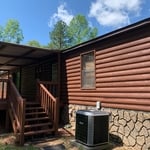
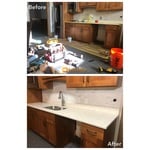
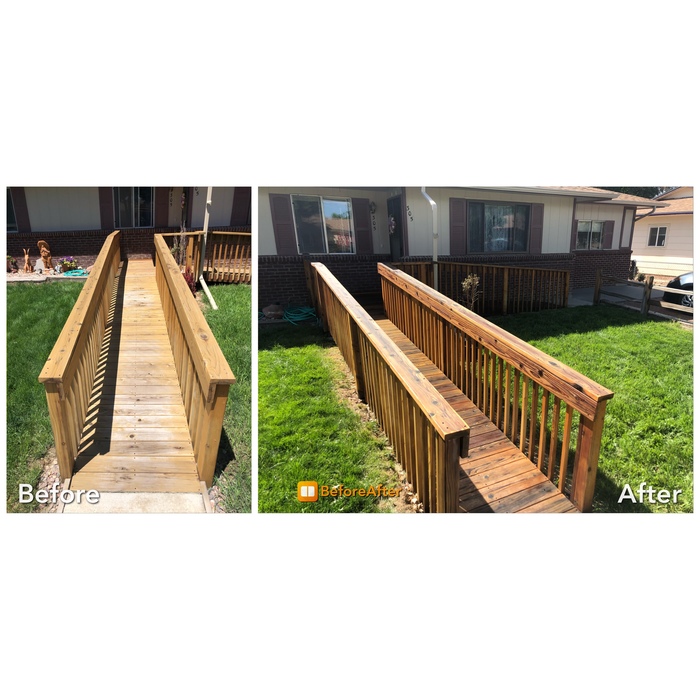
After.. what an amazing difference!
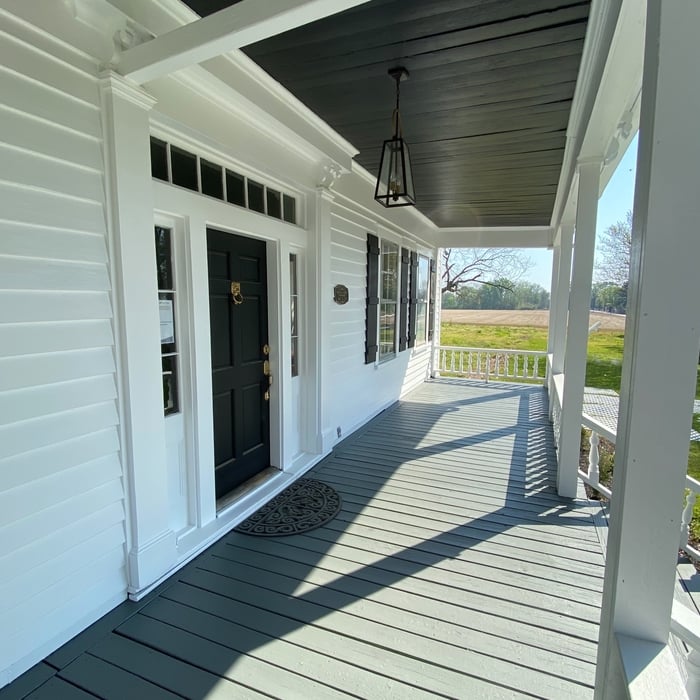
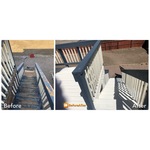
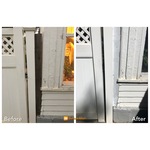
After picture of the beautiful entryway
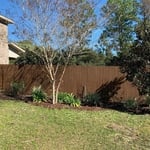
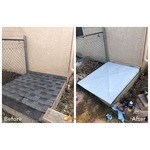
after picture of the fence
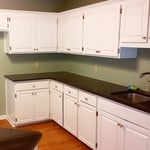
after.. beautiful color!
Exterior Painting in Sellers, SC

+76

Recommended by93%of homeowners
Showing 1-10 of 23
Deck Maintenance questions, answered by experts

Cutting the boards directly is one of the fastest ways to remove deck boards with hidden fasteners. Mark two parallel lines that are one-third of the total measurement on both ends and cut out the centerpiece. Then, remove the end of the board that doesn’t have a fastener. Finally, pry open the fastened side and pull it up to pop out the screw or access the fastener. This also allows you to salvage portions of boards for other projects.

The proper and most comfortable height for a deck stair riser, also called a step, is between four and seven inches. A height of seven inches is often considered ideal for a strain-free step that minimizes the risk of trips and falls. While it is possible to have risers up to 12 inches, this height can be challenging for children, pets, or individuals with mobility issues. For optimal safety and comfort, pair a seven-inch riser with a tread depth (or run) of at least 10 to 12 inches. Always check your local building codes, as they may have specific requirements that differ from these general recommendations.

Building codes for deck railings can vary by location, so it's important to consult your local regulations before construction. Generally, a guardrail is required for any deck that is more than 30 inches above the ground.

For residential properties, the standard minimum height for a deck railing is 36 inches. However, some states and municipalities have stricter requirements; for example, California and Washington mandate railings that are at least 42 inches high. Therefore, a 42-inch railing is not considered too high and may be required in your area or chosen voluntarily for additional safety.

In addition to height requirements, codes also specify other safety features, such as the maximum spacing between balusters to ensure they are close enough to prevent a child from squeezing through.

The best base materials for a ground-level or floating deck are typically gravel and crushed stone (also known as landscaping rocks). These options are inexpensive, provide excellent drainage, prevent weeds, and help minimize moisture buildup, which reduces shifting and rotting. For added stability and to evenly distribute the weight, you can use concrete deck blocks or pavers. While more expensive, concrete blocks and pavers offer a sturdier base than gravel or crushed stone alone.

Be careful when choosing a product to help you remove ice from your wood deck. Never use sand, gravel, or salt, since these items can damage and scratch the wood. Instead, look for chemical de-icers that are marked as safe for wood decks or use hot water to melt snow and ice.

The Westcliffe, CO homeowners’ guide to deck maintenance services

From average costs to expert advice, get all the answers you need to get your job done.