
Top-rated deck repair pros.

Best deck repair pros near Westcliffe, CO

Enter your zip and get matched with up to 5 pros

Need a pro for your deck repair project in Westcliffe, CO?

Select your specific project to find the pro for you.

Top-Rated Deck repair pros in Westcliffe - Updated Nov 2026

Avatar for We Build Decks LLC
We Build Decks LLC
5.0(
5
)
Deck or Porch - Repair

Serving Westcliffe, CO and surrounding areas

In business since 2022

Free estimates

Warranties offered

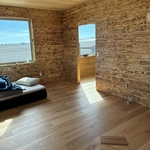
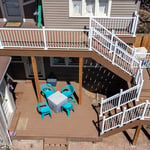
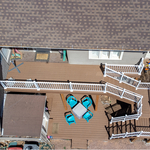
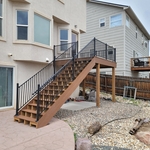
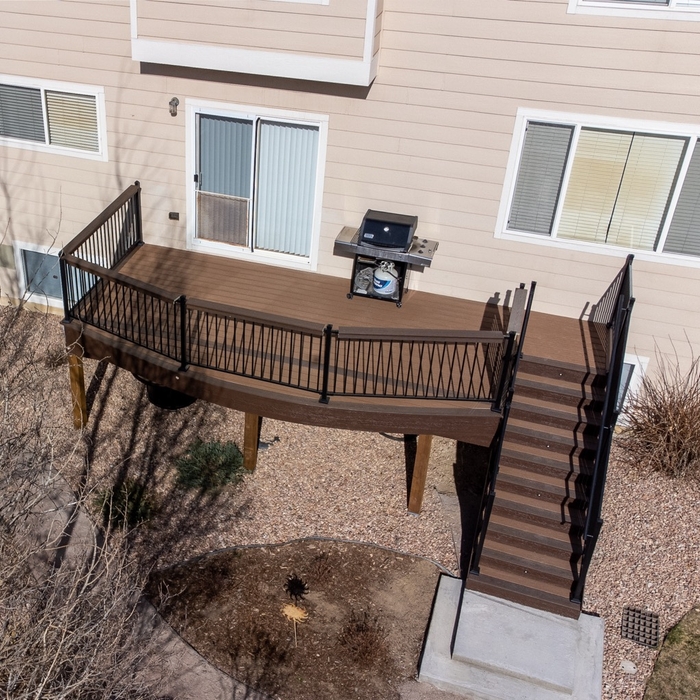
"Derek first started working with us as the architect for a major deck renovation—replacing our back deck, adding a covered roof, a new front deck, and an upper deck off the main bedroom. It was a big project, and while the original deck company started to collapse mid-way through (unfairly pointing fingers at Derek), he stayed the course. Derek continued to communicate clearly, step in where needed, and ultimately saw the entire job through to completion—even installing a stunning tongue-and-groove ceiling on the back deck himself. He went above and beyond when others bailed, and we truly can’t thank him enough. Honest, talented, and committed—Derek’s the kind of professional you want on your team. We recommend him wholeheartedly."


Downtown Deck
Downtown Deck
Pic 2
Pic 1
Top View

+7

Response time1 day
Showing 1-10 of 36
Deck Repair FAQs, answered by experts

A wood deck requires annual cleaning and regular inspections for loose or broken boards, nails, and screws. It should be refinished by applying a stain or sealer every two to three years to protect the wood from water damage, rot, mildew, and sun fading. The exact frequency can depend on the climate and the deck's exposure to sun and moisture. If your deck is painted, it will need repainting approximately every 10 years. Signs that your deck needs refinishing include faded, splintering, or warping boards.

Yes, it is possible to add an under-deck drainage system to an existing deck by retrofitting it to the structure. This process may require some prep work. For example, many drainage systems are installed on top of the deck joists, which would require you to remove the decking boards and railings first. To avoid this, you could opt for a below-the-joist drainage system. For best results and to ensure proper installation, it is recommended to consult a professional. A pro can inspect your deck, make any necessary repairs, and then install the drainage system correctly.

Building a deck isn't too hard if you’re handy with carpentry, have the necessary tools, and are willing to put effort into it. However, other factors, such as plans, permits, and design, can be hard if you don’t have experience in those areas.

Note: You’ll need another person to help you build the deck (especially for framing and setting the beams). Building a deck yourself will be very difficult if you don’t have an extra set of hands to help.

Ideally, a gate should be able to swing both in and out. However, if it can only open in one direction, it is generally best for it to swing inward. This is often the safest option, especially for deck gates near steps, as you'll want the gate to swing away from the stairs. An inward swing also prevents the gate from opening into a public space, like a sidewalk, and can be more convenient when carrying heavy items like a wheelbarrow into a garden.

There are exceptions, however. The layout of your property may require a different approach. For example, if your property is on a slope, the gate may not be able to swing inward. You should also ensure the gate can open fully without colliding with any objects or blocking access to other areas. For a backyard garden gate where public access isn't a concern, the direction it swings is largely a matter of personal preference. Finally, always check your local building codes, as they may have specific requirements for which way a gate must swing.

The best direction for a gate to swing depends on its location and purpose, but swinging inward is the general rule. An inward swing is often considered safer, prevents the gate from opening into public spaces like a sidewalk, and may be required by local building codes.

There are exceptions and specific considerations. If your property is on a slope, an inward swing might not be possible. For a deck gate, it's safest to have it swing away from any steps. In a backyard, the direction can be a matter of preference, though an inward swing can be helpful when carrying heavy items like a wheelbarrow into a garden.

Regardless of direction, ensure the gate can open fully without hitting any objects or blocking spaces. While an inward swing is standard, a gate that can swing both in and out offers the most flexibility if your setup allows for it.

The Westcliffe, CO homeowners’ guide to deck repair services

From average costs to expert advice, get all the answers you need to get your job done.