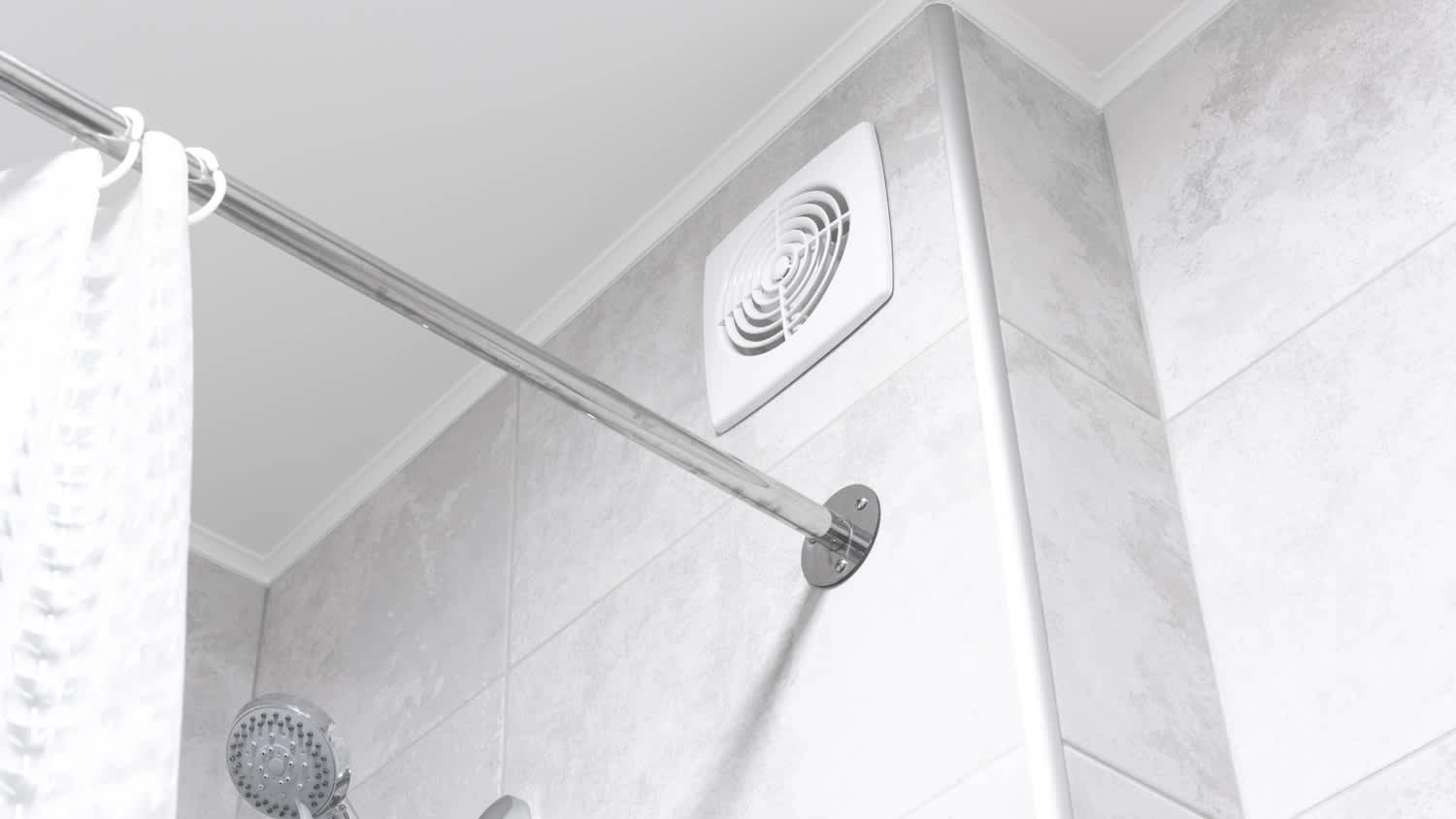



Top-rated bathroom fan installation pros.

Best bathroom fan installation pros near Timnath, CO

Enter your zip and get matched with up to 5 pros

Need a pro for your bathroom fan installation project in Timnath, CO?

Select your specific project to find the pro for you.

TRUSTED BY TIMNATH, CO HOMEOWNERS

  • Average homeowner rating star icon4.6
    Average homeowner rating
  • Verified reviews icon2.1k+
    Verified bathroom fan installations reviews

Top-Rated Bathroom fan installation pros in Timnath - Updated Nov 2026

Avatar for R&T Electric, LLC
R&T Electric, LLC
4.7(
143
)
Bath Exhaust Fan - InstallBath Exhaust Fan - Repair

Serving Timnath, CO and surrounding areas

Approved

In business since 2005

Free estimates

Emergency services offered

"Great response. The work was done the morning after I hired them and Randy and Stettsun accomplished the work successfullly and rapidly. Randy has earned my business for life and I strongly recommend R&T."
 Front of House
Log Cabin
 Back of House
Log Cabin
 Kitchen

+7

Response time4 hrs
2 neighbors recently requested a quote
Recommended by98%of homeowners
Avatar for DN Electric LTD
DN Electric LTD
5.0(
7
)
Bath Exhaust Fan - InstallBath Exhaust Fan - Repair

Serving Timnath, CO and surrounding areas

Approved

In business since 2025

Free estimates

Warranties offered

DN ELECTRIC LTD proudly serves its customers with pride, integrity and attention to the details that matter most to you. This is one of the many things that sets us apart from the rest. We are locally owned and operated. Give us a call today! \n

Electric
Basement receptacles

+1

7 neighbors recently requested a quote
Avatar for King Electric LLC
King Electric LLC
4.8(
4
)
Bath Exhaust Fan - InstallBath Exhaust Fan - Repair

Serving Timnath, CO and surrounding areas

Approved

Super Service Award Winner

In business since 2000

Free estimates

Warranties offered

King Electric LLC is committed to excellence in every aspect of our business. We uphold a standard of integrity bound by fairness, honesty, and personal responsibility. Our distinction is the quality of service we bring to our customers. Accurate knowledge of our trade combined with ability is what makes us true professionals. Above all, we are watchful of our customers' interests and make their concerns the basis of our business

Response time1 day
Recommended by100%of homeowners
...
Showing 1-10 of 98
Bathroom Fan Installation FAQs, answered by experts

Yes, you can oil an electric fan with machine or motor oil but don’t use cooking oil because it can become thick or seize up, damaging the fan. Before oiling your fan, turn it off and remove any dust and debris. Wipe away any excess lubricant after oiling.

Yes, a fan can help drywall mud dry faster by improving air circulation and reducing humidity in the room. Drywall mud dries through evaporation, so increasing airflow speeds up this process. However, you should position the fan to blow across the room rather than directly on the wet mud. This helps prevent drying too quickly, which can cause cracking. You should also use a dehumidifier if high humidity is an issue.

A whole-house fan will not allow you to control your home's temperature and keep it at a specific temperature like a traditional AC unit would. You rely on the night and morning weather to cool your home down efficiently. Also, whole-house fans can be loud and may allow cold air to enter your home in the winter. They also require penetrations through your exterior walls or roof, which could invite water and pests in if they aren’t installed properly.

Some disadvantages of a blower cooler—a type of cooling device sometimes known as a swamp cooler—are its increased energy demand and its higher noise level. Blowers require more energy to run because they push air out at a higher pressure. This also means a blower cooler can be louder than a fan. Blower coolers are also not recommended for humid areas because humidity limits their cooling potential.

Identifying the source of noises is your first step to soundproofing a room without overspending. Generally, sound comes from inside or outside of the house. Inside noises include creaking floors, living noises like TVs in the living room, cooking sounds, or kids being kids. External noises generally include incremental weather, disturbing neighbors, and street traffic. Inside noises require you to soundproof floors, ceilings, and doors, whereas outside noises may require you to soundproof your attic, windows, and walls facing the streets.

The Timnath, CO homeowners’ guide to bathroom fan installations

From average costs to expert advice, get all the answers you need to get your job done.