

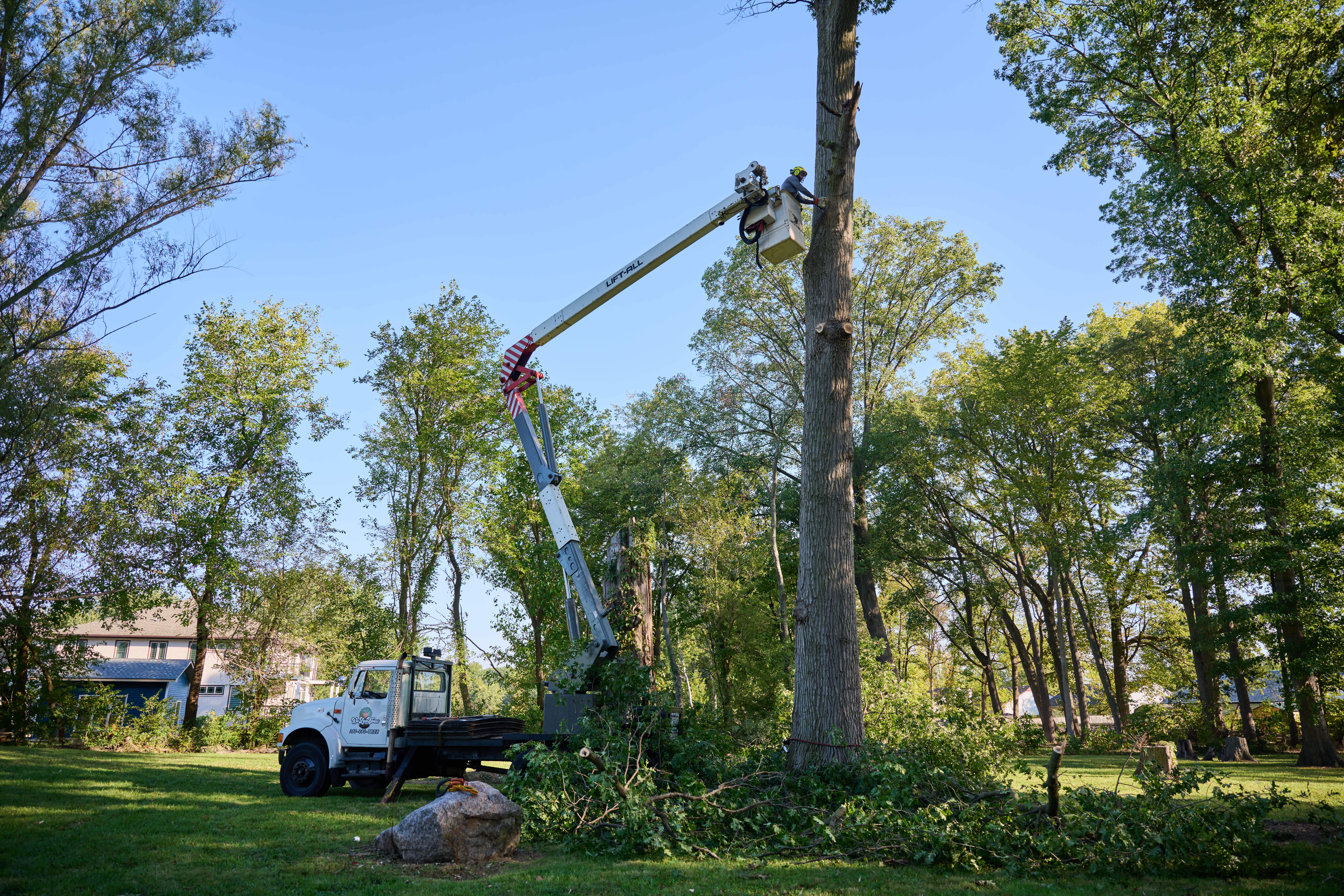
Top-rated brush chipping pros.

Get matched with top brush chipping pros in Stonegate, CO

Enter your zip and get matched with up to 5 pros

Need a pro for your brush chipping project in Stonegate, CO?

Select your specific project to find the pro for you.

TRUSTED BY STONEGATE, CO HOMEOWNERS

  • Average homeowner rating star icon4.5
    Average homeowner rating
  • Verified reviews icon3.2k+
    Verified brush chipping services reviews

Find Brush chipping pros in Stonegate

No results for Brush chipping pro in

Try adjusting your search criteria.
Brush Chipping questions, answered by experts

While a rented dumpster can handle a wide variety of materials, there are significant restrictions on what is allowed. Generally, you can dispose of most non-hazardous household junk, yard waste, and construction debris.

Accepted items typically include:

  • Furniture, carpets, old linens, and toys

  • Wood and yard debris

  • Small appliances and excess trash

  • Renovation waste like old finishes, building debris, and roofing materials (unless they contain lead paint or asbestos)

However, you cannot put toxic, flammable, or hazardous materials in a dumpster. Prohibited items almost always include:

  • Paint, gasoline, oil, and other fuels

  • Household cleaners and other chemicals

  • Electronics, batteries, and tires

  • Refrigerators, hot water tanks, and medical waste

Since regulations can vary by location and company, it is essential to check with your dumpster rental provider for their specific list of accepted and prohibited items before you begin.

Reducing household waste is the best way to save money on junk removal costs in the long run. Reusable kitchen, pantry, and cleaning supplies will make a large dent, as will creating an easy compost and recycling system in your home. Additionally, create an ongoing practice of recycling, donating, or repurposing items that are ready to go.

There are several ways to decompose yard waste quickly. The first step is to move all debris into a compost bin or pile. From there, microorganisms, bacteria, and insects will break down the yard waste into compost. To speed things up, shred the waste into smaller pieces, add live worms to the pile, or introduce nitrogen-rich compost accelerators like grass clippings, coffee grounds, and manure. Turn the compost over every few days. This process, called aerating, allows oxygen to get in and accelerate decomposition.

If you don’t have too many fallen leaves, one option is to leave them in place. They’ll eventually decompose, adding vital nutrients to the soil. But if you have a thick layer of leaves smothering your lawn, you’ll want to either mulch them or bag them up for removal. If you choose to collect and bag your leaves, check with your local municipality on any specific guidelines to dispose of them. Many cities offer curbside pickup if the leaves are disposed of in yard waste bags or containers. 

Although palm trees are self-pruning and will eventually remove their own brown leaves with new growth, there are a couple of instances when you might still want to go ahead and do the work yourself. For example, remove brown palm leaves if you live in an area with a greater risk of wildfires or if the leaves obstruct your pathway. But as long as the leaves pose no safety hazards, you don’t have to worry about pruning them.

The Stonegate, CO homeowners’ guide to brush chipping services

From average costs to expert advice, get all the answers you need to get your job done.