






Top-rated lead testing and removal specialists.

Get matched with top lead testing and removal specialists in Rye, CO

Enter your zip and get matched with up to 5 pros

Need a pro for your lead testing and removal project in Rye, CO?

Select your specific project to find the pro for you.

Find Lead testing and removal specialists in Rye

Avatar for Axium Inspections & Radon Mitigations
Axium Inspections & Radon Mitigations
4.8(
164
)

Serving Rye, CO and surrounding areas

In business since 2007

Free estimates

Emergency services offered

"This was the 3rd time I’ve used Axium (specifically Tim Krapfl) for home inspection. Tim is very thorough, knowledgeable, and professional! I highly recommend. Tim did the home inspection, but the services also included sewer scope and radon testing."
Additional Photos
Additional Photos
Additional Photos
Additional Photos
Additional Photos

+113

Recommended by98%of homeowners

Lead Testing and Removal questions, answered by experts

Lead testing in residential properties involves collecting samples from paint, dust, soil, or plumbing and analyzing them in certified laboratories to accurately identify lead levels.

Determining if your water main contains lead involves a few steps. First, check the age of your property, as homes built before the 1980s might have lead pipes. Contact your water utility company for information on your service line material. Then, you can hire a professional plumber to conduct an inspection or use a lead testing kit to analyze water from the main line.

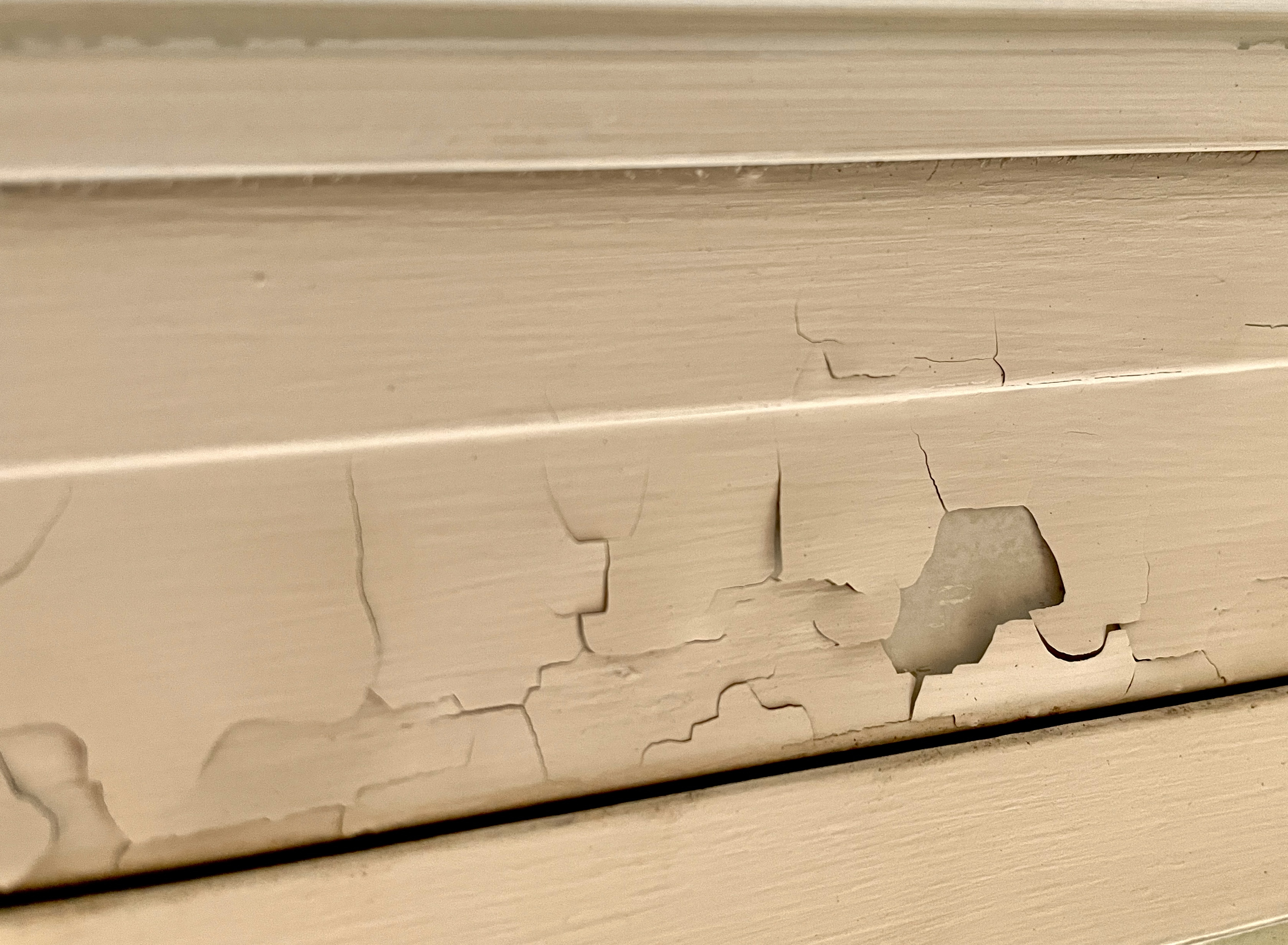
Lead toxicity comes from inhaling lead or consuming it. Before the 1980s, when the government banned lead from consumer use, it could be found in paint, plumbing, pipes, ceramics, and even gasoline. Lead paint is toxic for the same reason lead itself is toxic, which is why lead poisoning from paint presents the same as lead poisoning from water or food sources, with a slight increase in respiratory symptoms vs. digestive symptoms. Lead paint is most dangerous when it’s old and peeling, cracking, or otherwise disturbed. This increases the concentration in the air and, therefore, in breathable air. 

Some causes of brown well water—like excess tannins or dissolved iron—don’t pose a health risk. In other cases, harmful bacteria might be the culprit. If your well water has suddenly turned brown, it’s a good idea to use a home water test kit to get a better sense of what’s going on with your water. Consider calling a professional for an expert opinion before drinking the water and hoping for the best.

Iron sediments from rusty pipes are not likely to cause health problems. While a glass of yellow-hued water is off-putting, it is generally safe to drink yellow water in the short term. But you certainly want to address this problem. In the meantime, switching to bottled water until the yellow water issue is resolved is a good idea. 

The Rye, CO homeowners’ guide to lead testing and removal services

From average costs to expert advice, get all the answers you need to get your job done.